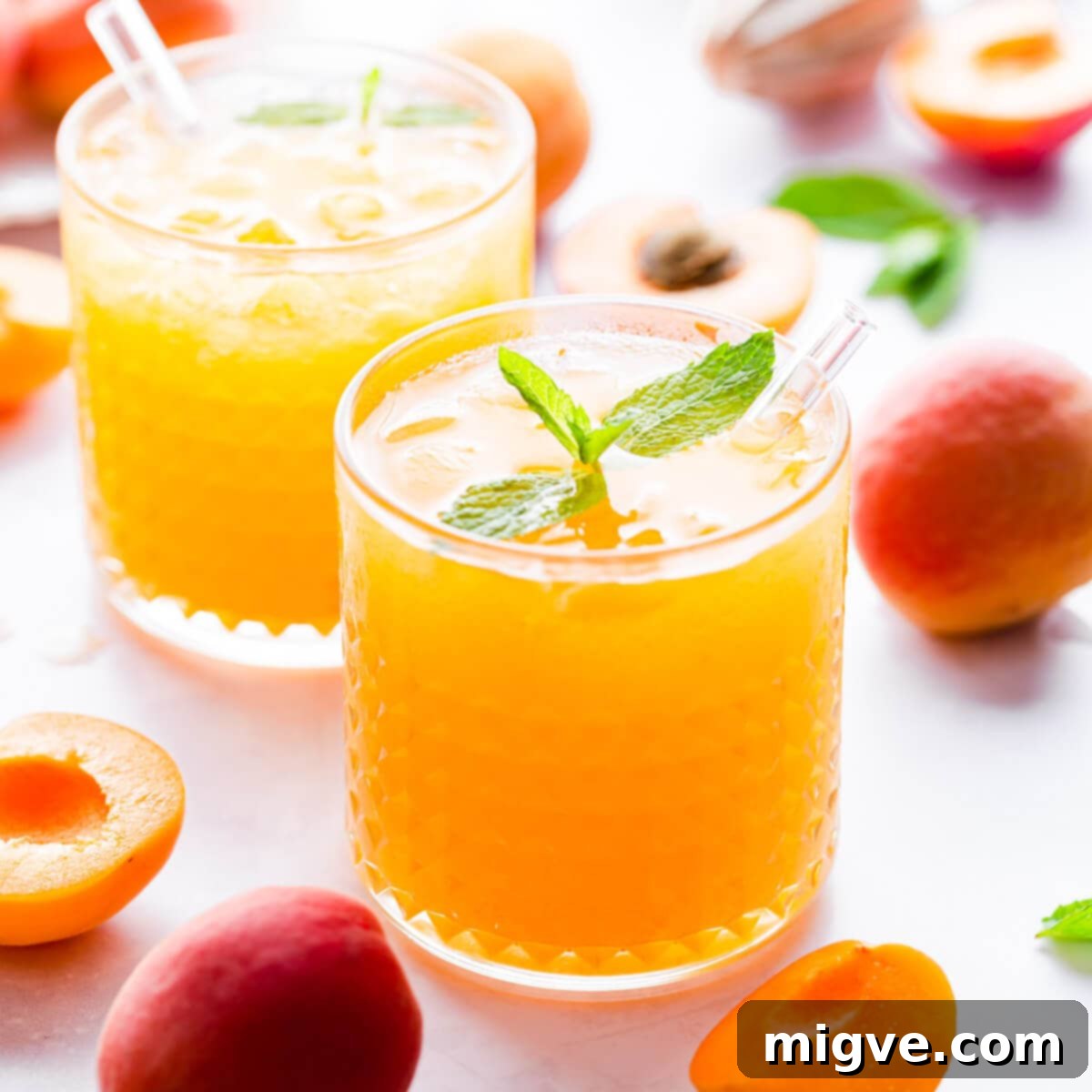
There’s nothing quite like the taste of summer captured in a glass, and this incredibly easy-to-make homemade apricot nectar is your perfect ticket to that refreshing experience. Ideal for cooling down on a scorching day, this vibrant, sweet, and tangy drink is not only a fantastic standalone beverage but also an exquisite addition to cocktails and mocktails. What’s more, with simple preservation methods, you can bottle the sunshine and enjoy this delightful nectar for up to 6 months, making it a treat even during the colder winter months.
If you’re new to cooking with apricots or have never ventured into making homemade nectar, this recipe serves as a brilliant and rewarding starting point. It yields approximately a liter of profoundly delicious, naturally sweet, and wonderfully refreshing apricot nectar. The process is straightforward, ensuring that even novice cooks can achieve a professional-tasting result. Imagine sipping on the pure essence of summer long after the season has passed – that’s the magic of this recipe.
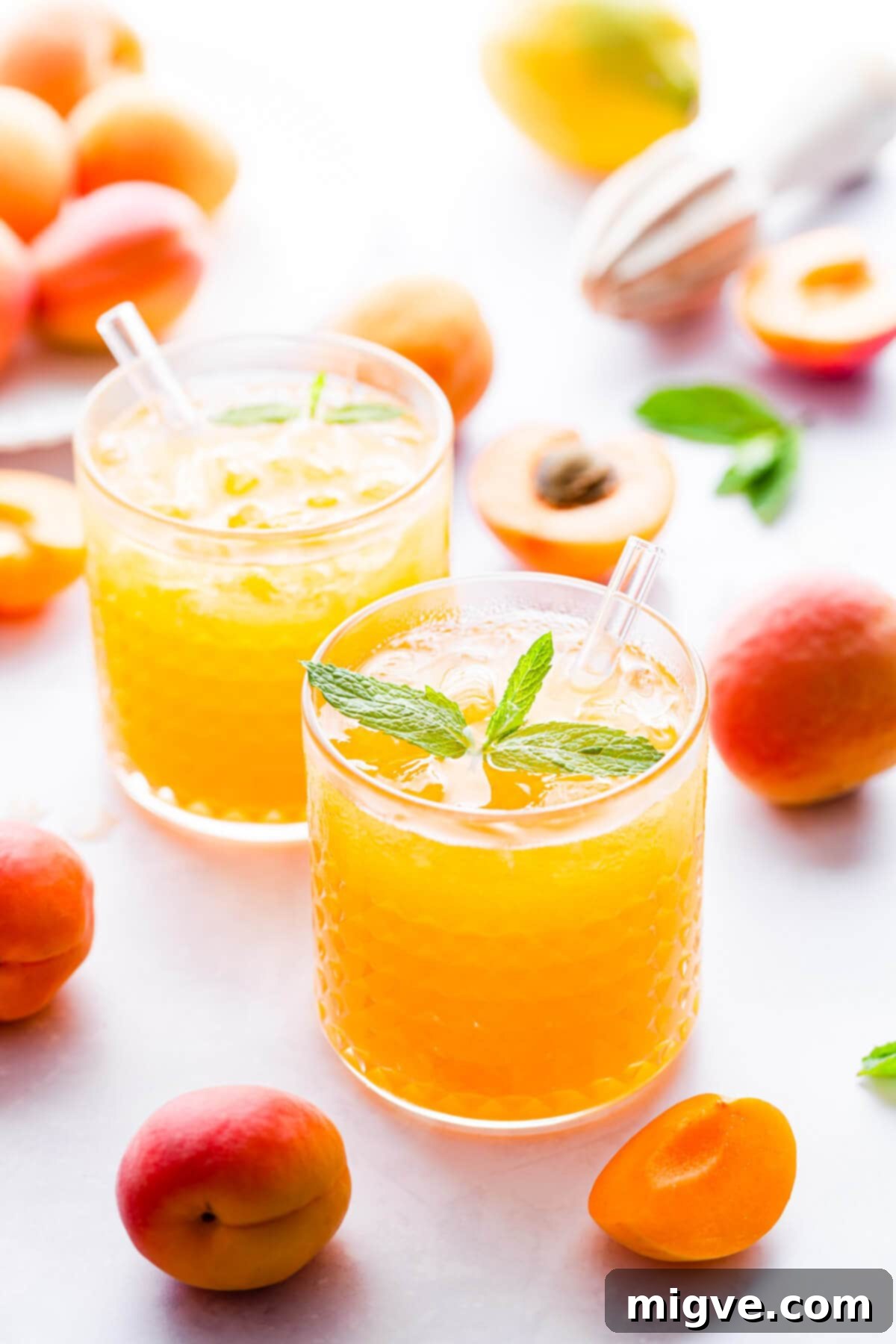
Apricot season is a fleeting, precious time, and when these luscious fruits are at their peak, bursting with flavor and fragrance, this recipe offers an excellent way to celebrate their abundance. While crafting homemade nectar is delightfully simple, apricots are incredibly versatile stone fruits. Should you wish to explore other culinary avenues, consider adapting recipes like a classic Brown Sugar Peach Galette or a comforting Summer Peach Cobbler – simply substitute the peaches with apricots for a unique twist. These alternatives highlight the fruit’s adaptability and underscore why it’s a seasonal favorite for countless sweet and savory dishes.
Making your own fruit nectar from scratch offers numerous advantages over store-bought versions. You gain complete control over the ingredients, particularly the sugar content, allowing you to tailor the sweetness to your personal preference. Moreover, homemade nectar is free from artificial preservatives, colors, and flavors often found in commercial products, providing a purer, more natural taste. The vibrant color and intense aroma of freshly made apricot nectar are simply unparalleled, elevating any drink or dish it accompanies. It’s a small effort that yields significant rewards in terms of flavor, health, and satisfaction.
The Joy of Apricot Season
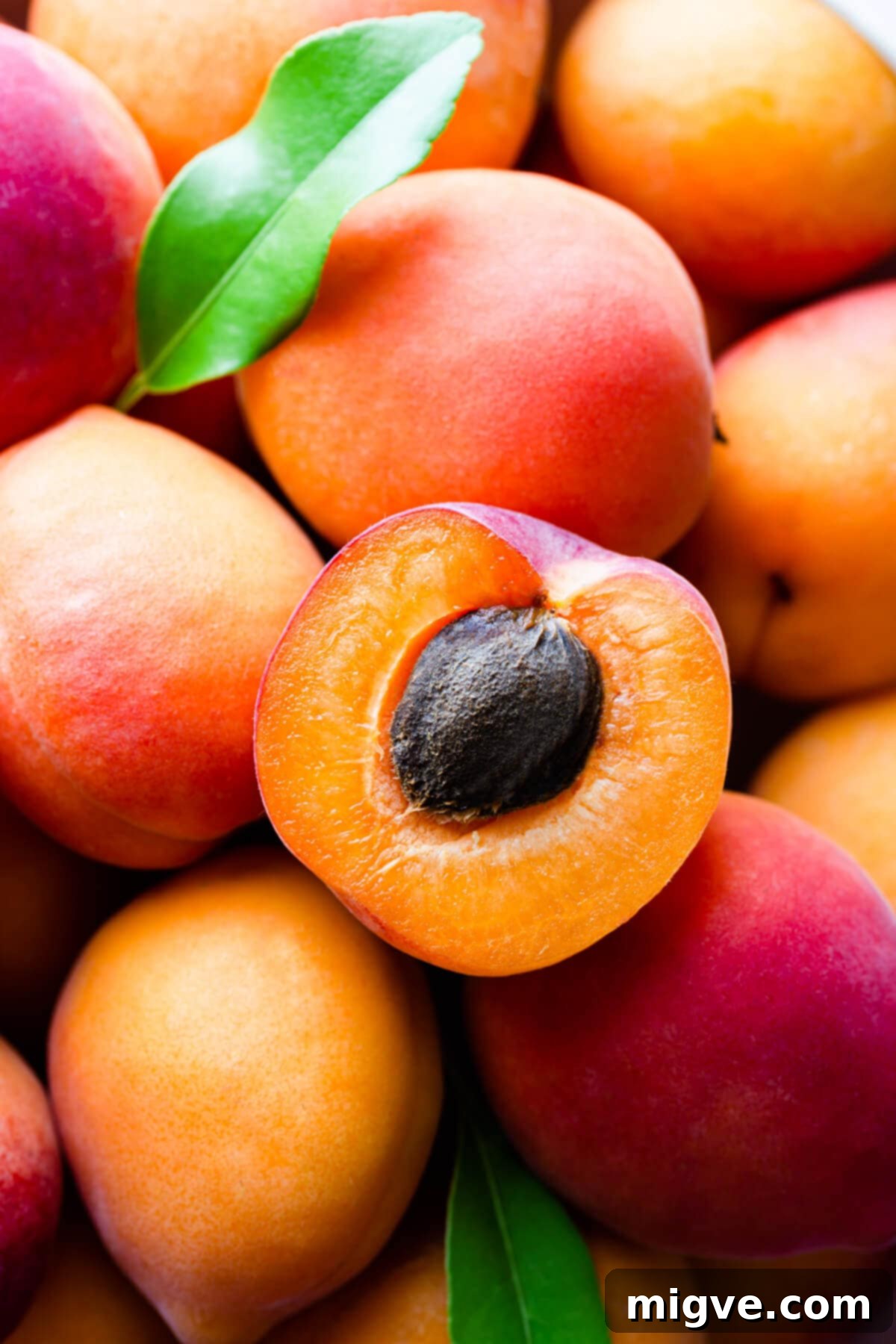
Apricots, with their velvety skin, juicy flesh, and distinctive sweet-tart flavor, are truly a gift of the warmer months. Typically in season from late spring through mid-summer, these golden-orange gems are not only delicious but also packed with essential nutrients. Rich in vitamins A and C, fiber, and antioxidants, apricots contribute to overall well-being. Using them to create a refreshing nectar means you’re not just enjoying a tasty drink, but also benefiting from their natural goodness. Choosing ripe, fragrant apricots is key to the best-tasting nectar, as their natural sweetness will minimize the need for excessive added sugar. Look for fruits that are plump, brightly colored, and yield slightly to gentle pressure, avoiding any that are bruised or overly soft.
Essential Ingredients for Perfect Apricot Nectar
Crafting this exquisite apricot nectar requires just a handful of basic ingredients, allowing the natural flavor of the fruit to shine through:
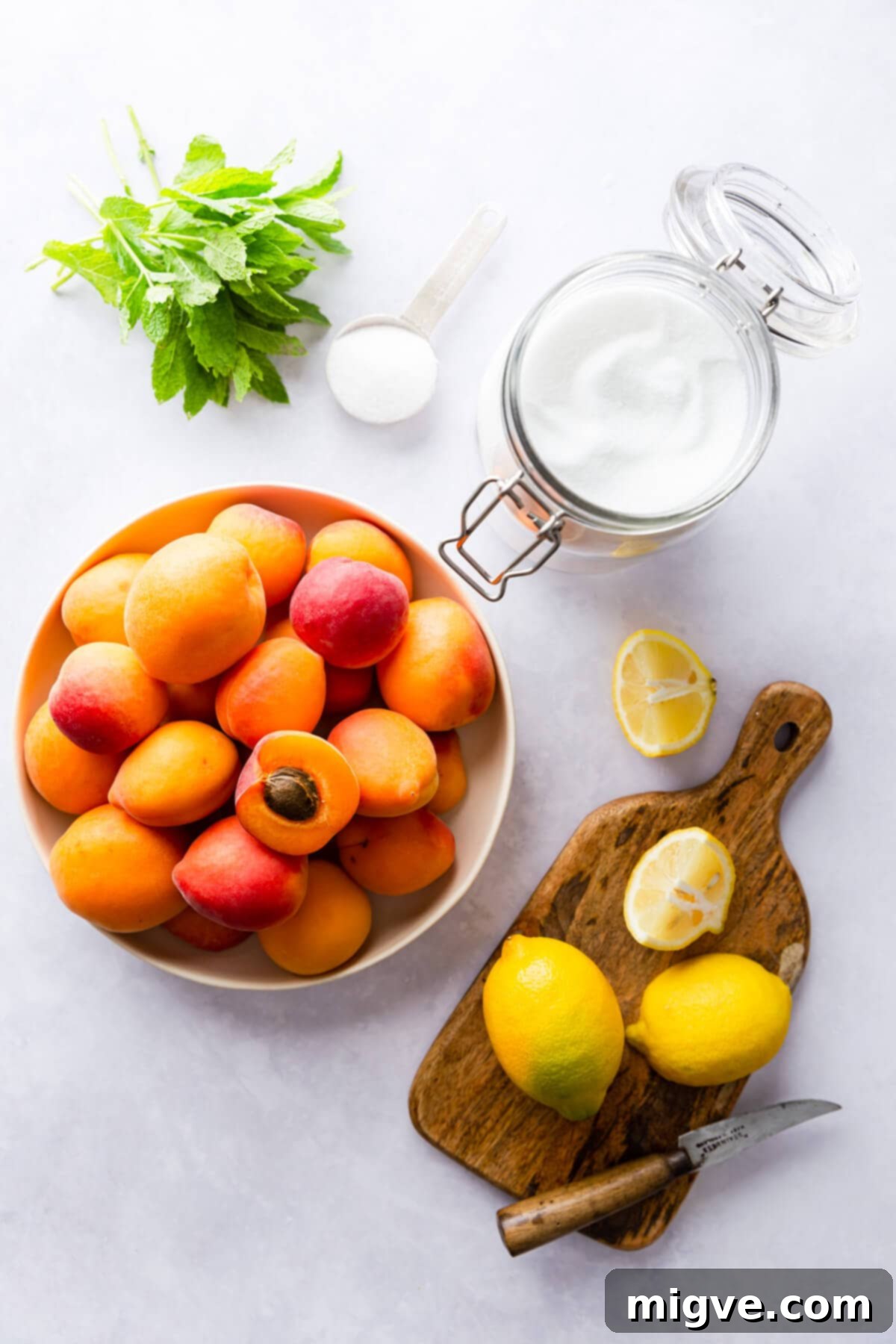
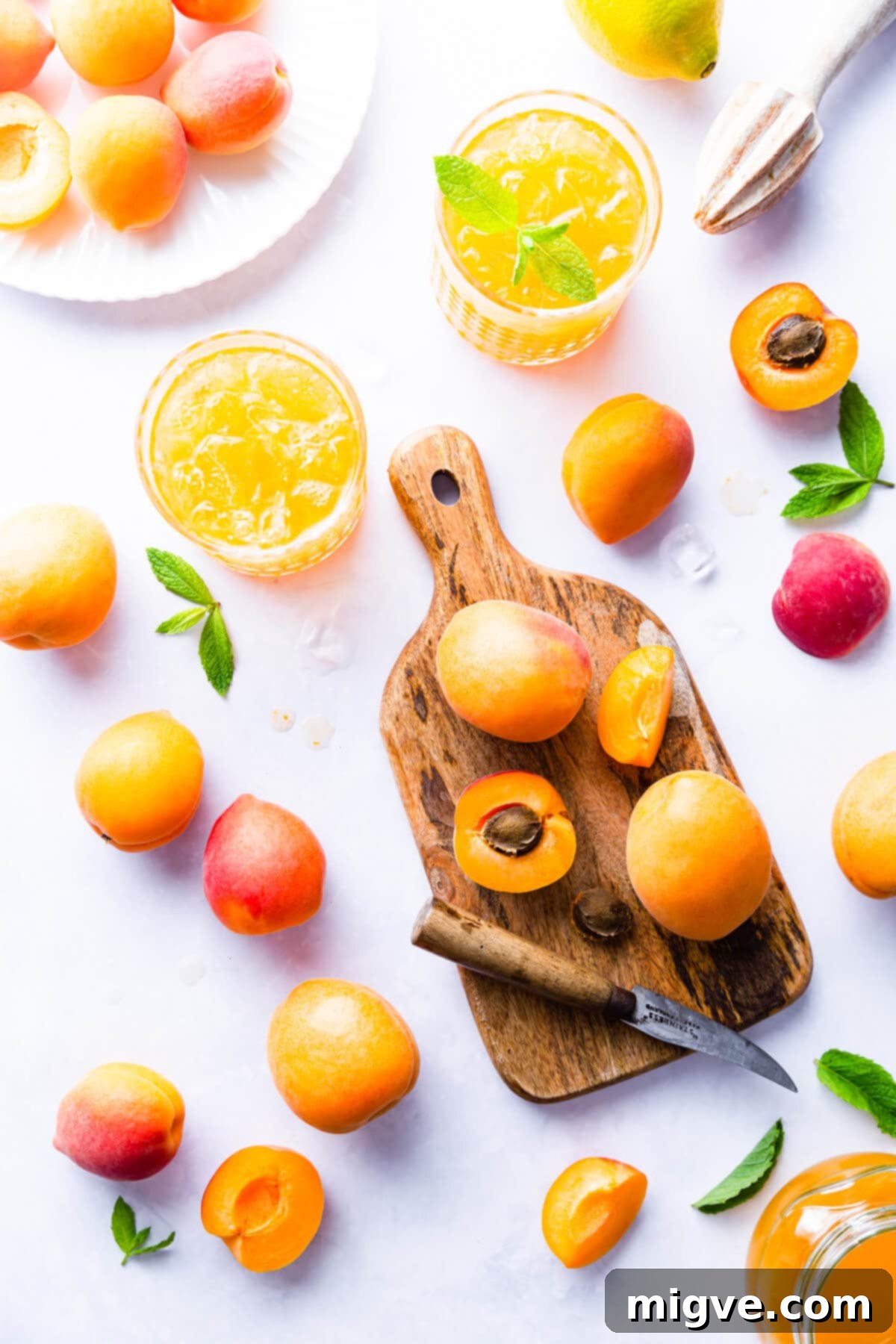
- Fresh Apricots: The star of our show. Ensure they are ripe and fragrant. You’ll need to wash them thoroughly, slice them in half, and carefully remove their pits/stones.
- Sugar: Granulated or caster sugar works perfectly. The amount can be adjusted based on the sweetness of your apricots and your personal preference. It balances the tartness and enhances the overall flavor.
- Lemon Juice: Freshly squeezed juice from one large lemon adds a crucial touch of brightness, preventing the nectar from being overly sweet and enhancing the apricot’s natural tang.
- Water: Essential for cooking the apricots and forming the nectar’s base.
- Fresh Mint or Basil: An optional but highly recommended garnish to elevate the serving experience, adding an aromatic freshness.
For precise quantities and measurements, refer to the detailed recipe instructions below. Remember, the quality of your apricots will significantly impact the final flavor of your nectar, so choose the best you can find during peak season.
Step-by-Step Guide to Homemade Apricot Nectar
Follow these simple steps to create your own delightful apricot nectar at home:
- Prepare the Apricots: Begin by washing your fresh apricots under cold running water. Once clean, slice each apricot in half and carefully remove the central pit or stone. Discard any bruised or damaged parts of the fruit. This initial preparation is crucial for an even cook and easy processing.
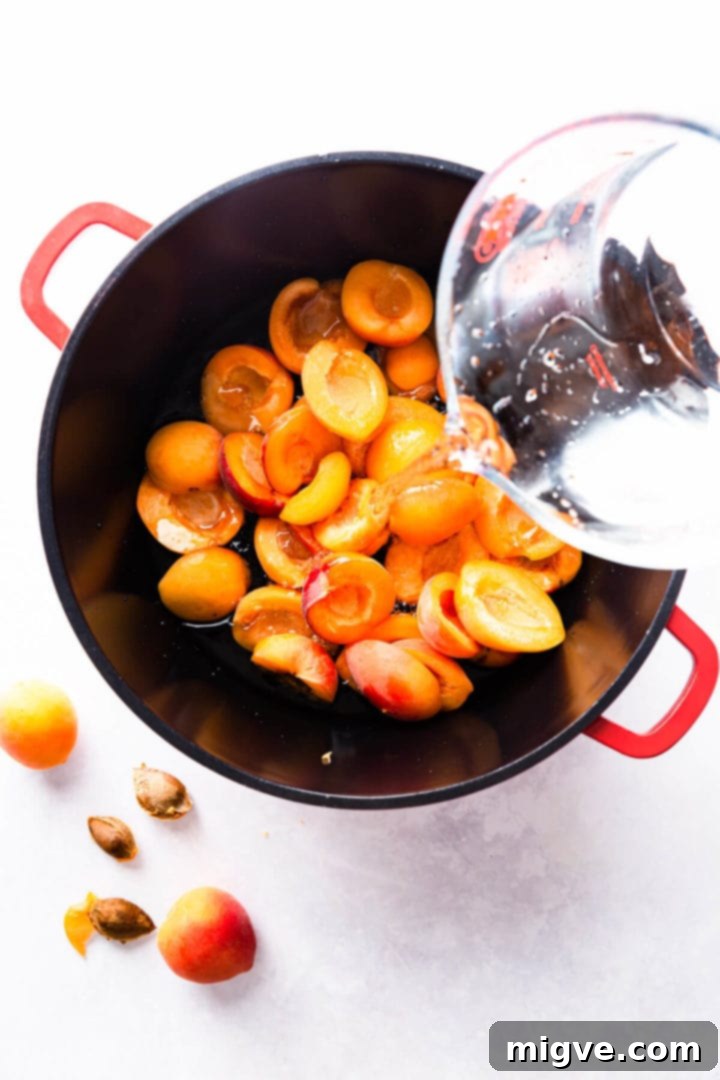
- Cook the Apricots: Transfer the halved, pitted apricots into a large saucepan. A heavy-bottomed pan is ideal as it distributes heat more evenly and prevents sticking, but any large pan will work. Pour enough cold water into the pan to fully cover and submerge all the fruit. Place the pan on medium-low heat, cover it, and allow the apricots to cook gently for approximately 30 minutes. The goal is for the apricots to become incredibly soft and easily separate from their skins. Stir occasionally to ensure even cooking and prevent sticking.

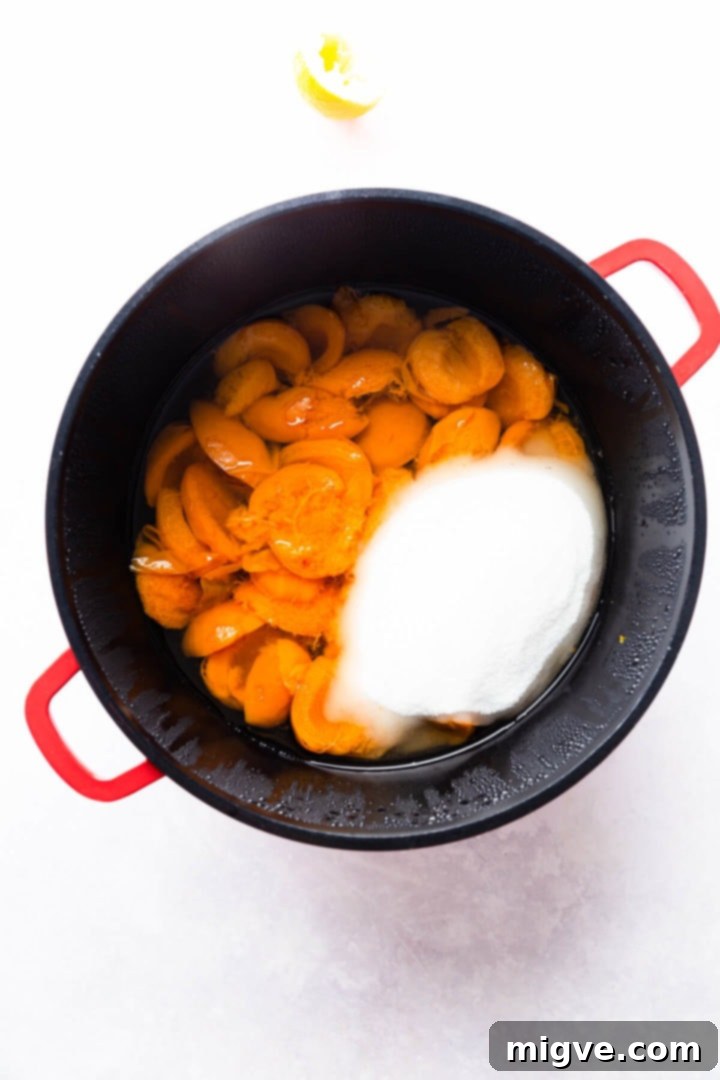
- Sweeten and Brighten: Once the apricots are soft and tender, add the sugar and freshly squeezed lemon juice to the pan. Stir well to combine. Continue to cook for another 5 minutes, or until all the sugar has completely dissolved, creating a flavorful syrup with the apricot puree. Remove the pan from the heat immediately after the sugar has dissolved.
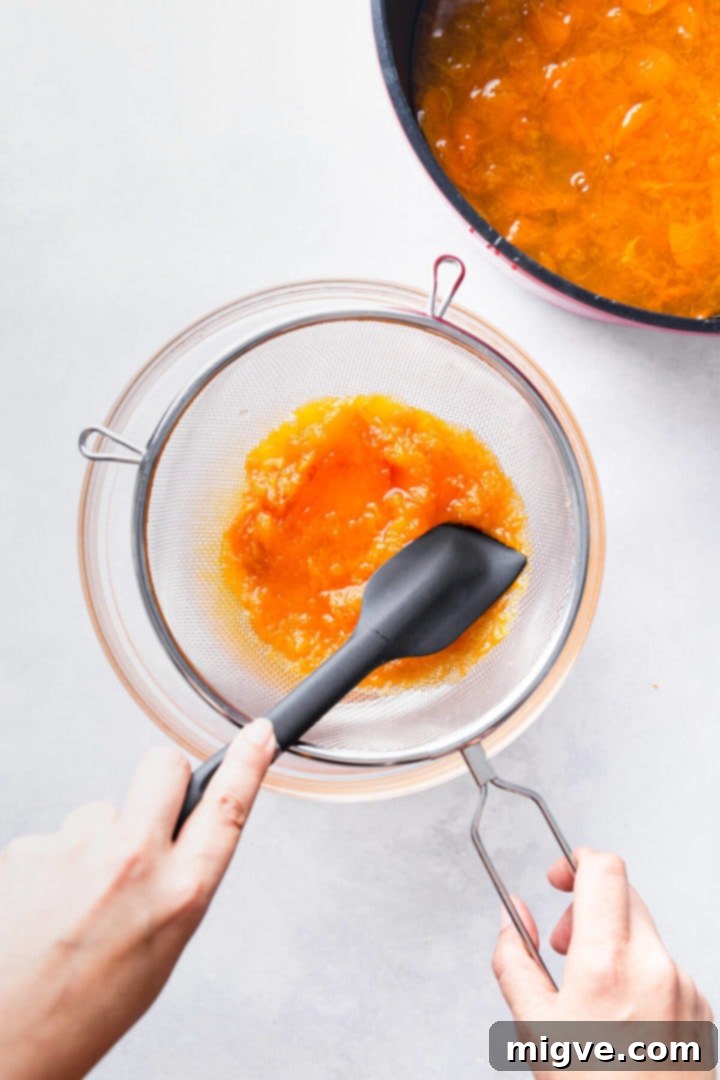
- Strain for Smoothness: Place a large fine-mesh sieve over a large, clean bowl. Carefully pour the cooked apricot mixture into the sieve. Using a wooden spoon or a spatula, gently but firmly push the mixture through the sieve. This process extracts all the delicious juices and smooth apricot puree, leaving behind any fibrous skin or remaining solids.
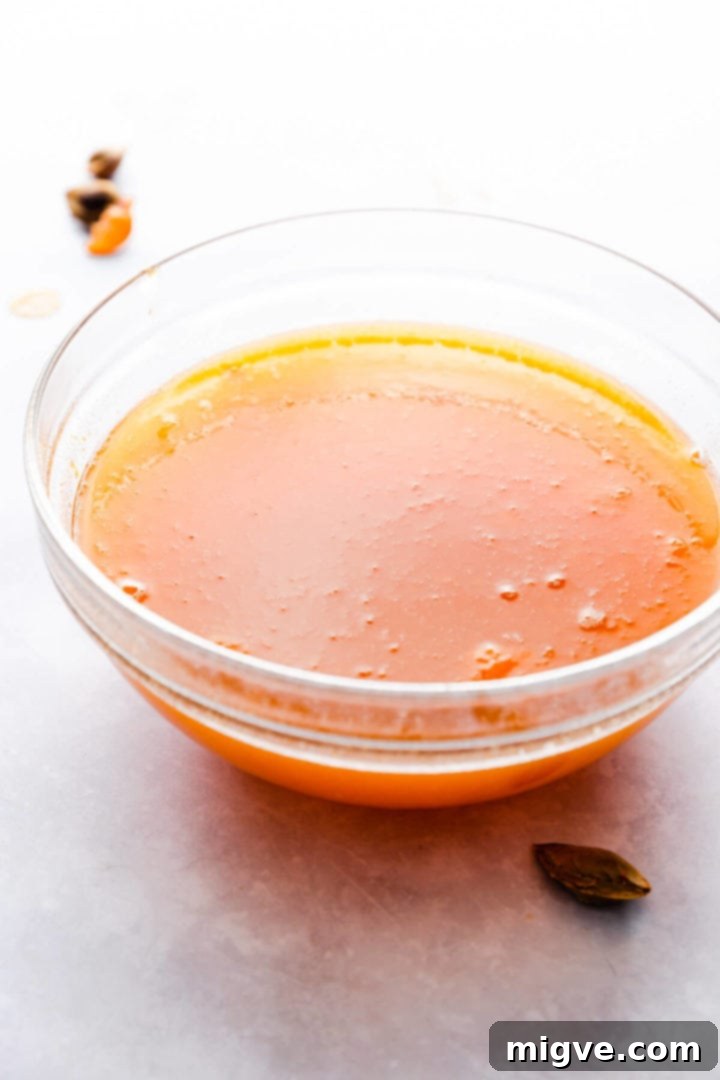
- Maximize Yield: Continue pushing the pulp through the sieve until no more juice or puree can be extracted. You should be left with a significantly reduced amount of fruit pulp, roughly half of what you started with. The strained liquid in the bowl is your homemade apricot nectar.
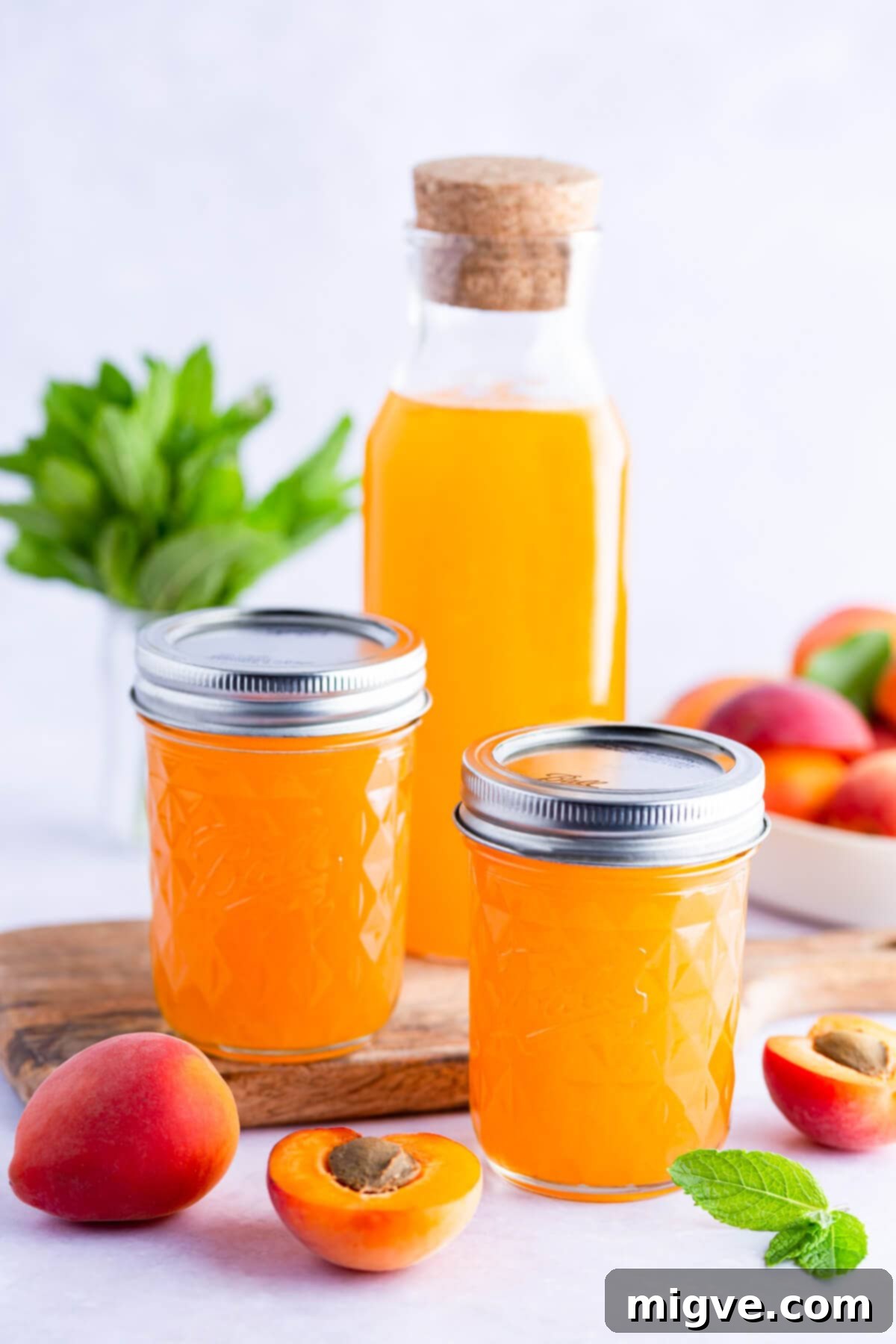
- Store or Preserve: Discard the remaining fibrous fruit pulp (or save it for other uses – see tip below!). Transfer the apricot nectar into clean jars or bottles. If you plan to consume it within a week, a simple large jar in the fridge is sufficient. For long-term preservation, carefully decant the hot nectar into prepared, sterilized jars or bottles. For detailed instructions on how to sterilize glass bottles and jars, you can refer to resources like my Classic Elderflower Cordial recipe, which outlines the process for safe canning.
Clever Uses for Leftovers
Embracing a no-waste philosophy is easy with this recipe! Don’t throw away those apricot pits/stones! If you’re feeling adventurous, they can be used to make your own delicious flavored liqueur, similar to a Homemade Amaretto Liqueur, which extracts a wonderful almond-like flavor from the kernels inside the pits. Similarly, the leftover fruit pulp after straining is far too valuable to waste. It can be a fantastic addition to morning smoothies, providing extra fiber and flavor. Mix it into your yogurt or porridge for a fruity topping, or even blend it with some cream for a unique and flavorful cake filling or dessert base. These creative uses ensure that every part of the apricot is utilized.
Creative Ways to Enjoy and Customize Your Nectar
This homemade apricot nectar is wonderfully versatile and can be enjoyed in a multitude of ways. Here are some of my favorite variations and serving suggestions to inspire you:
- Pure and Simple: Savor the nectar straight, as it is, poured over a generous amount of crushed ice. Garnish with a sprig of fresh mint or basil, or a thin slice of lemon or an apricot wedge, to enhance its refreshing qualities. This is the best way to appreciate its true, unadulterated flavor.
- Diluted Delight: For a lighter, more refreshing drink, dilute the nectar with still or sparkling water. Sparkling water is a personal favorite, adding a delightful fizz that makes it feel like a gourmet soda. Adjust the ratio to your taste for the perfect balance.
- Herbal Infusions: Experiment with adding your favorite herbs to the nectar while it’s still cooking to infuse it with unique aromatics. As mentioned, fresh mint and basil are excellent choices, imparting a cooling and bright essence. For a more sophisticated flavor profile, consider a few sprigs of thyme, lemon verbena, or rosemary. These herbs introduce subtle, earthy, or citrusy notes that beautifully complement the apricot.
- Spiced Sophistication: A small pinch of carefully selected spices can profoundly enhance the flavor of your nectar. Ingredients like a whisper of cinnamon, cardamom, or even turmeric will not only add warmth and depth but also potentially introduce additional health benefits. Start with a tiny amount and taste as you go to avoid overpowering the delicate apricot flavor.
- Cocktail & Mocktail Mixer: Elevate your beverage game by using this nectar as a base for exquisite cocktails and mocktails. It pairs wonderfully with spirits like vodka, gin, or rum, and can be mixed with other fruit juices or sodas for non-alcoholic options. Its natural sweetness and tartness make it an ideal mixer.
- Culinary Applications: Beyond drinks, use your apricot nectar as a glaze for roasted meats, a syrup for pancakes or waffles, or a base for homemade sorbets and jellies. It can also be reduced slightly to create a vibrant sauce for desserts or a sweet-savory dressing for salads.
Recommended Equipment for Nectar Making
You won’t need any specialized or expensive equipment to make this delicious apricot nectar. The process is quite simple and relies on common kitchen tools:
- Large, Heavy-Bottomed Pan: An essential piece of equipment. While any large pan will work, a heavy-bottomed pan is preferable because it distributes heat more evenly, which helps prevent the fruit from sticking and scorching at the bottom during the long cooking process. If using a thinner pan, simply keep a closer eye on the apricots and stir more frequently.
- Large Fine-Mesh Sieve: Crucial for separating the smooth nectar from the fruit pulp and skins. A metal sieve is generally more robust and efficient for this task, but a fine-mesh plastic sieve will also suffice. The finer the mesh, the smoother your nectar will be.
- Wooden Spoon or Spatula: Needed for stirring the apricots as they cook and, more importantly, for pressing the cooked fruit through the sieve to extract all the liquid and puree.
- Sterilized Glass Jars or Bottles (Optional, for Preserving): If you plan to preserve your homemade apricot nectar for long-term storage, having appropriately sized glass jars or bottles with airtight lids is necessary. Ensuring these are properly sterilized is paramount for food safety and successful preservation.
- Large Bowl: To collect the nectar as it is strained through the sieve.
Having these basic tools readily available will make the nectar-making process smooth and enjoyable.
Storage and Preservation Techniques
Proper storage is key to enjoying your homemade apricot nectar for as long as possible, whether you plan to consume it fresh or preserve it for later.
Short-Term Storage (Refrigeration)
If you intend to enjoy your nectar within a few days, simply transfer it into a clean jar, bottle, or jug and store it in your refrigerator. It will remain fresh and delicious for up to a week. Always ensure the container is sealed tightly to maintain freshness and prevent absorption of other fridge odors.
Long-Term Preservation (Canning)
For extending the shelf life of your apricot nectar to several months, canning is an excellent method. Properly preserved jars or bottles of this nectar can last for up to 6 months in a cool, dry place. Here’s how to do it safely:
- Sterilize Your Jars and Lids: This is the most critical step for safe preservation. Wash glass jars/bottles and lids thoroughly with hot soapy water, then rinse well. You can sterilize them by boiling them in water for 10 minutes, running them through a hot cycle in a dishwasher, or baking them in an oven at 275°F (135°C) for 15-20 minutes. Ensure they are still hot when you fill them.
- Fill the Jars: While the nectar is still hot, carefully pour it into the hot, sterilized jars or bottles, filling them approximately three-quarters full. It’s helpful to use a ladle and a funnel to avoid any spillage around the rims, as any residue can compromise the seal.
- Seal and Process: Clean the rims of the jars thoroughly with a damp cloth to remove any drips. Place the lids on tightly. Submerge the filled and sealed jars in a large pot of water, ensuring that the water covers the jars by at least an inch. Bring the water to a rolling boil and process the jars for 30 minutes.
- Cool and Check Seals: After 30 minutes, turn off the heat and leave the jars in the hot water until they cool completely. This slow cooling helps prevent thermal shock and ensures a good seal. Once cooled, remove the jars and check that the lids have sealed properly. A properly sealed lid will be concave (curved inwards) and won’t flex when pressed. Any jars that haven’t sealed should be refrigerated and consumed within a week.
- Store: Store sealed jars in a cool, dry, and dark place away from direct sunlight. They will maintain their quality for up to 6 months. Once opened, refrigerate and consume within a few days.
Top Tip for Serving
It’s important to note that this homemade apricot nectar will naturally separate after sitting still for a while. This is a completely normal occurrence and is absolutely fine. The denser fruit puree will settle at the bottom of the jar, bottle, or jug, with the lighter water component resting on top. Before serving, make sure to shake the jar or bottle very well to reintegrate the components and restore the nectar’s uniform consistency and rich flavor. If you’re storing it in a jug, a quick stir with a spoon or a small whisk will achieve the same result. This simple step ensures every pour delivers the full, delicious apricot experience.
We love hearing from you! If you tried this Homemade Apricot Nectar or any other of my cherished recipes, please feel free to leave a comment and a recipe rating below. Your feedback and experiences are incredibly valuable and always welcome!
To easily pin this recipe and save it for future enjoyment, use the dedicated button on the recipe card or utilize any of the inspiring photos above. Happy nectar making!
📖 Recipe Summary: Homemade Apricot Nectar
This easy recipe delivers a sweet, juicy, and incredibly quenching homemade apricot nectar. Made with only a few basic ingredients, it’s perfect for enjoying fresh or can be canned and stored for up to 6 months, bringing the taste of summer to any season.
Prep Time: 30 minutes
Cook Time: 35 minutes
Total Time: 1 hour 5 minutes
Course: Drinks
Cuisine: British
Keyword: apricot juice, apricot nectar
Yields: Approximately 1 litre
Calories: 2422 kcal (per liter)
Author: Anna Wierzbinska
Equipment
- Large heavy bottom pan/pot
- Large fine sieve
- Wooden spoon or spatula
- Canning jars (optional, for preserving)
Ingredients
- 1 kg apricots, halved and pits removed
- 500 g sugar (caster or granulated)
- Juice of 1 large lemon
- 1 litre water
Instructions
- Place the prepared apricots and 1 litre of water in a large saucepan. Bring the mixture to a simmer, then reduce the heat to medium-low.
- Allow the apricots to simmer gently for about 30 minutes, or until they become very soft and completely broken down.
- Add the sugar and lemon juice to the cooked apricots. Continue to cook for another 5 minutes, stirring until all the sugar has completely dissolved into the mixture.
- Remove the pan from the heat. Carefully pour the hot apricot mixture through a large fine-mesh sieve set over a large bowl. Use a wooden spoon or spatula to press the apricots through the sieve, extracting as much juice and puree as possible. Continue until no more liquid or smooth pulp comes through. You should be left with roughly half of the original fruit pulp.
- Decant the finished apricot nectar into a jug or bottle. Store it in the fridge for up to a week. Enjoy it straight, served with ice, or diluted with still or sparkling water for a lighter drink.
- If you are preserving the nectar for longer storage, pour it while still hot into pre-sterilized canning jars, filling each jar about three-quarters full. Securely close the jars with their lids. Place the jars in a large pan and cover them completely with water. Bring the water to a boil and process for 30 minutes. Allow the water and jars to cool completely within the pot before carefully removing the jars. Store them in a cool, dry place for up to 6 months.
Please note that all my recipes are developed and tested using metric grams. For the most accurate results, I recommend using digital scales. While a conversion to US customary units is provided here, please be aware that this method has not been tested by me.
Recipe Notes
- You can store this apricot nectar in a jug in your fridge for up to a week.
- If preserving, ensure you first sterilize your glass jars or bottles and their lids thoroughly to ensure food safety.
- The nectar will naturally separate after standing still for a while. This is a normal phenomenon and no cause for concern. Make sure to shake the jar or bottle well before serving. If storing in a jug, stir it well with a spoon before pouring.
Nutrition Information (per 1 litre serving)
Serving: 1 litre | Calories: 2422kcal | Carbohydrates: 613g | Protein: 14g | Fat: 4g | Saturated Fat: 1g | Polyunsaturated Fat: 1g | Monounsaturated Fat: 2g | Sodium: 15mg | Potassium: 2631mg | Fiber: 20g | Sugar: 592g | Vitamin A: 19262IU | Vitamin C: 112mg | Calcium: 137mg | Iron: 4mg
Did you make this?
Tell me how you like it! Leave a comment or take a picture and tag @anna_wierzbinska on Instagram. I love seeing your take on my recipes!
This recipe was originally published in August 2016. It has been thoroughly updated with new photos, a revised recipe, and enhanced tips in August 2021 to provide the best possible experience for our readers.