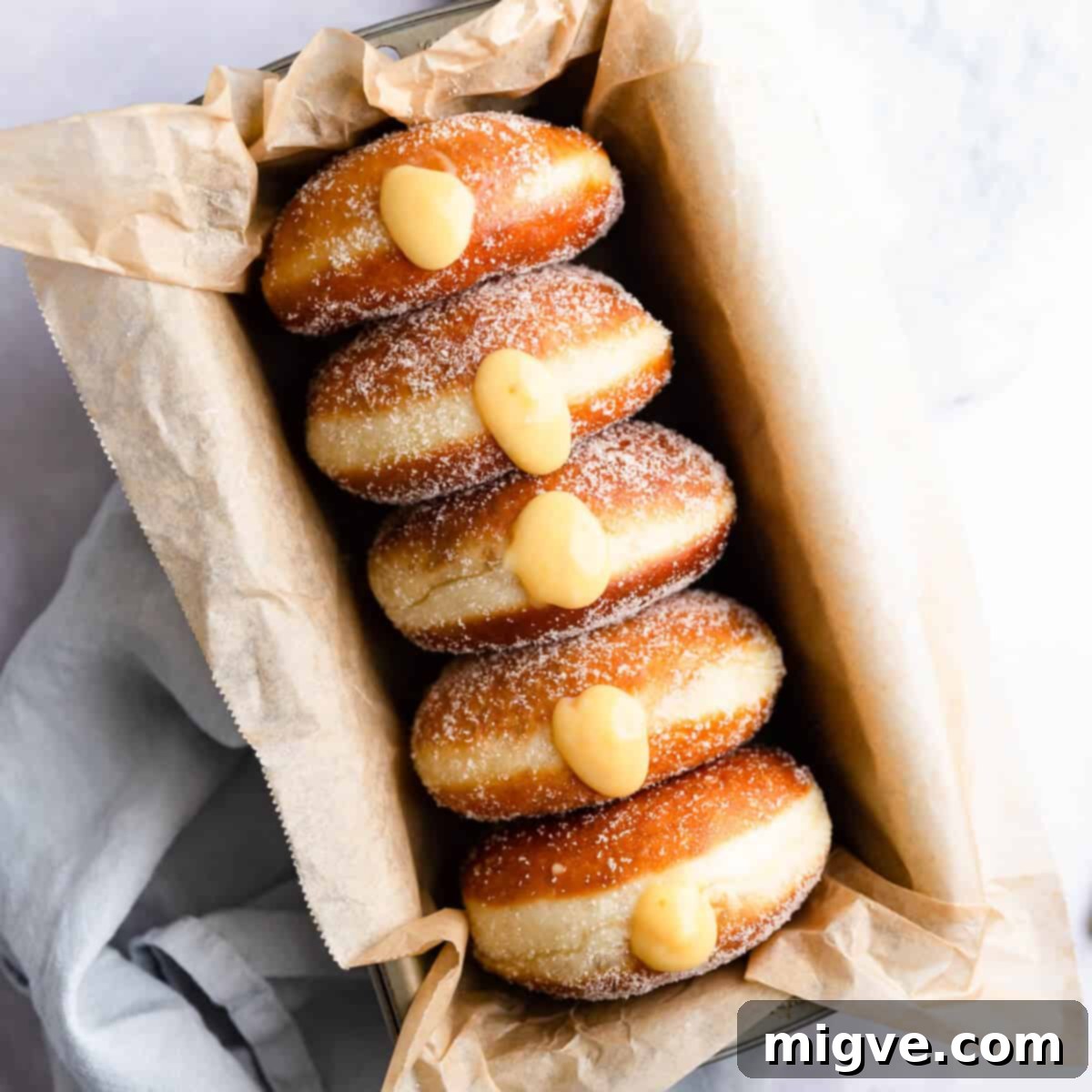
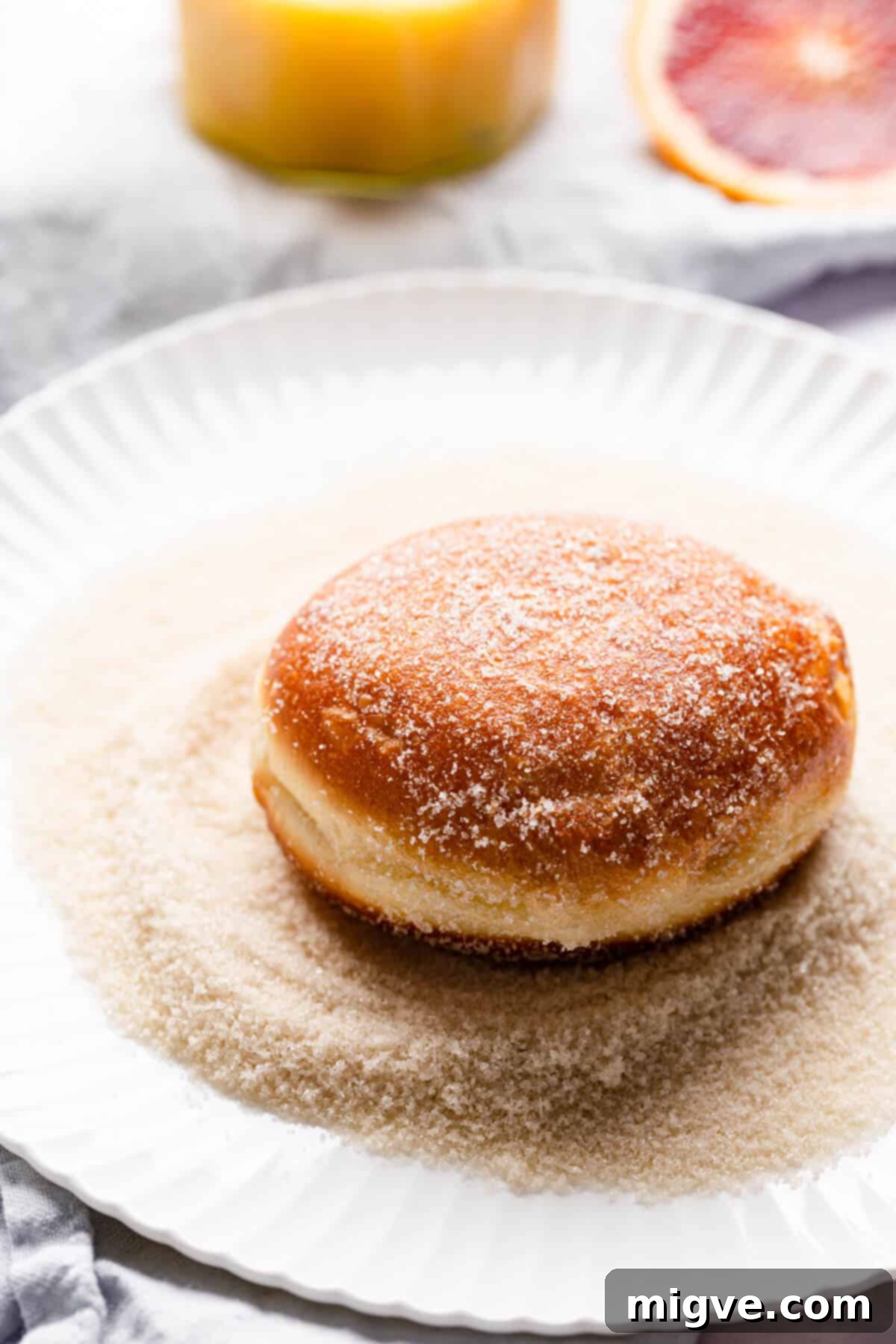
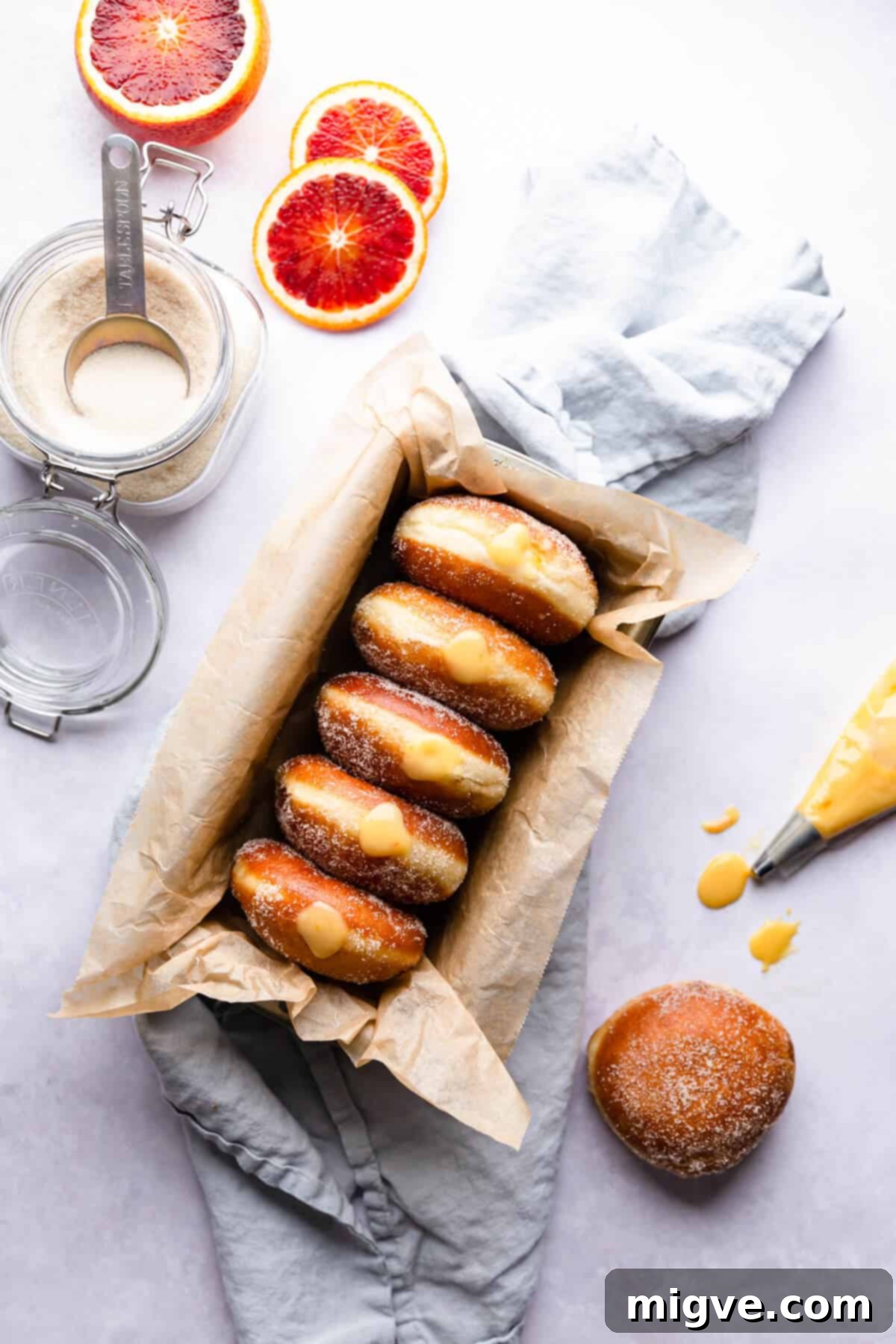
Indulge in the unparalleled delight of super soft, pillowy, small-batch doughnuts, generously filled with a vibrant blood orange curd. Each golden sphere is delicately coated in a crispy sugar glaze, promising a melt-in-your-mouth experience with every single bite. This recipe isn’t just about making doughnuts; it’s about crafting a truly unforgettable sweet treat that elevates homemade baking to an art form.
The Irresistible Charm of Homemade Doughnuts: Why You Need This Small Batch Recipe
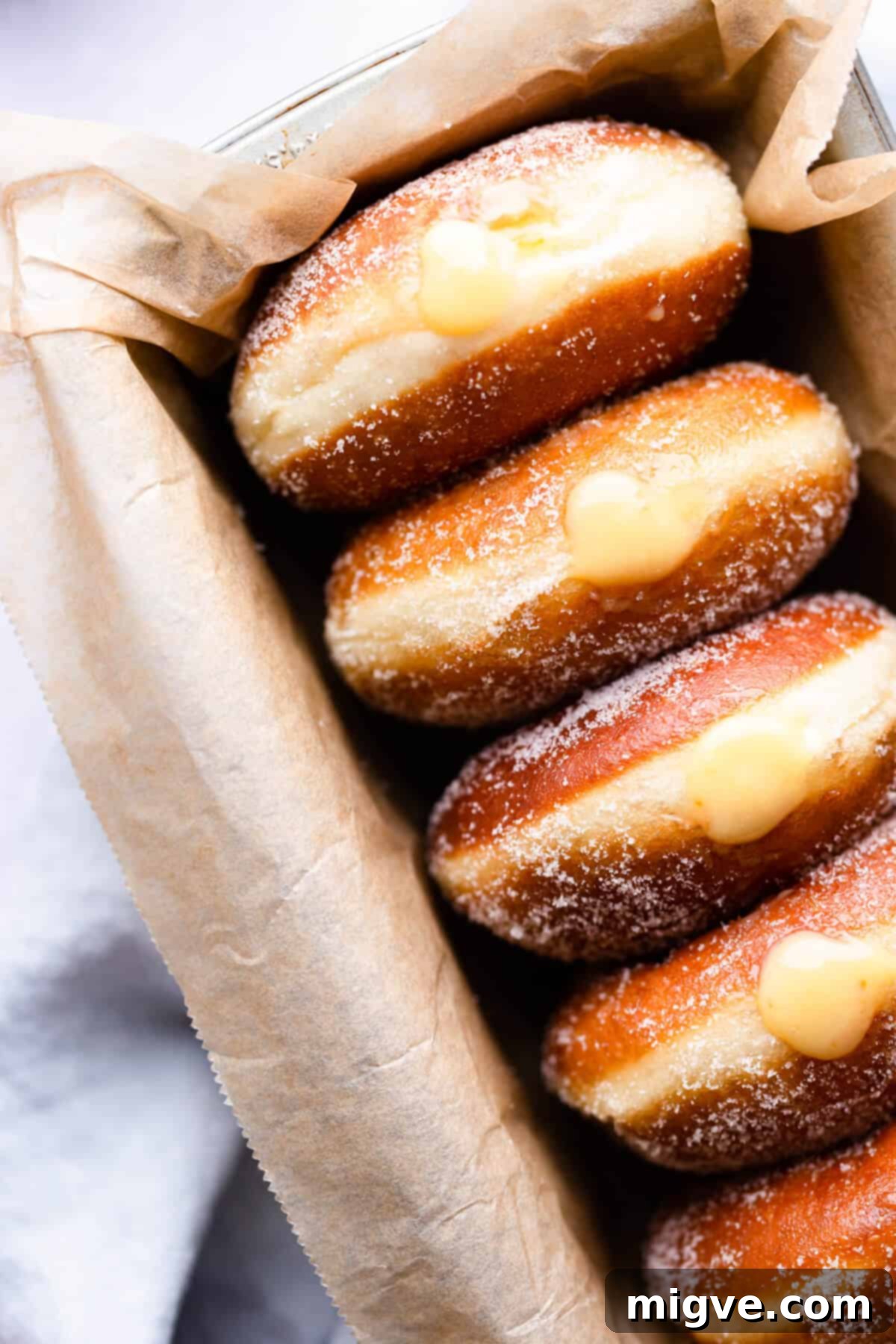
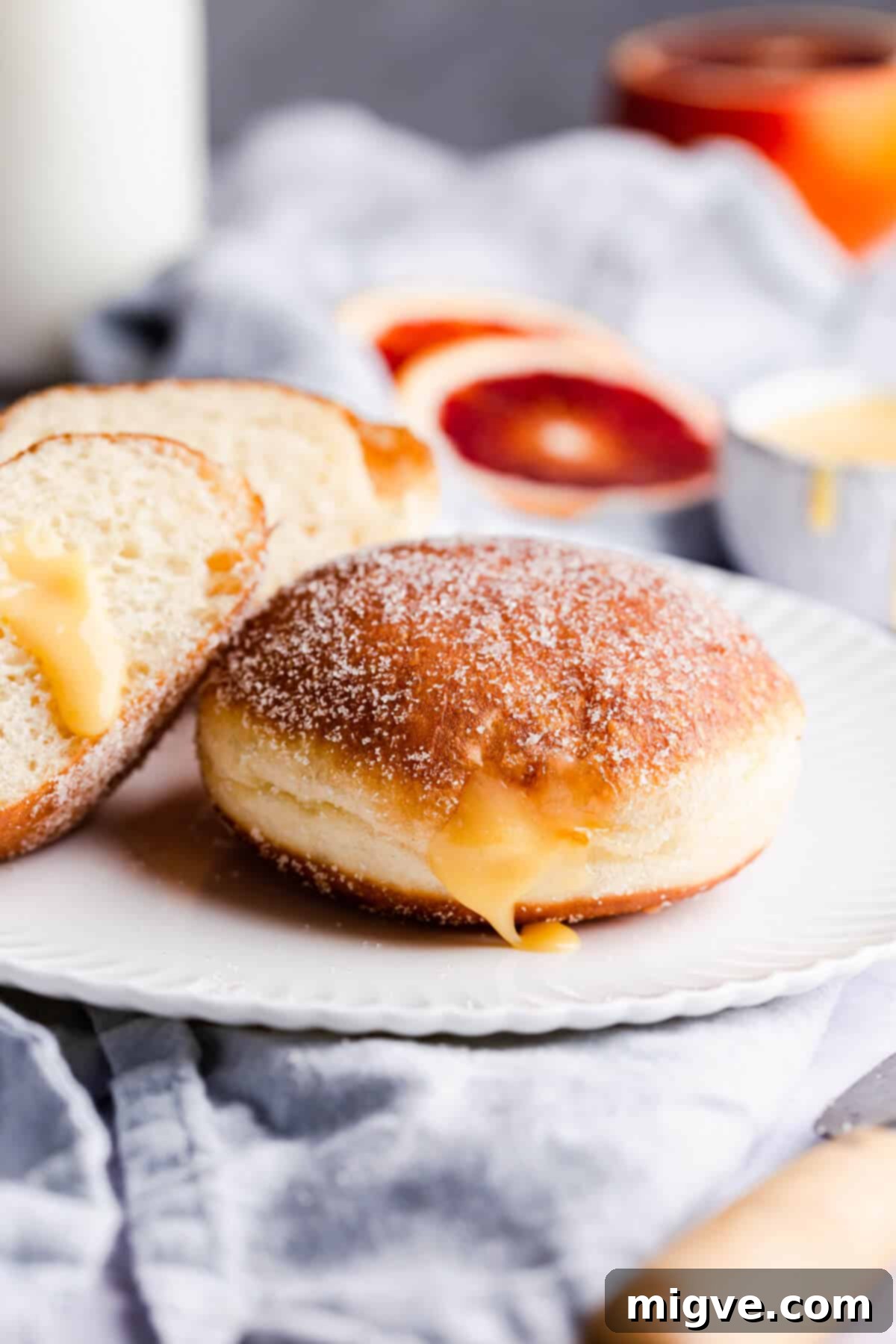
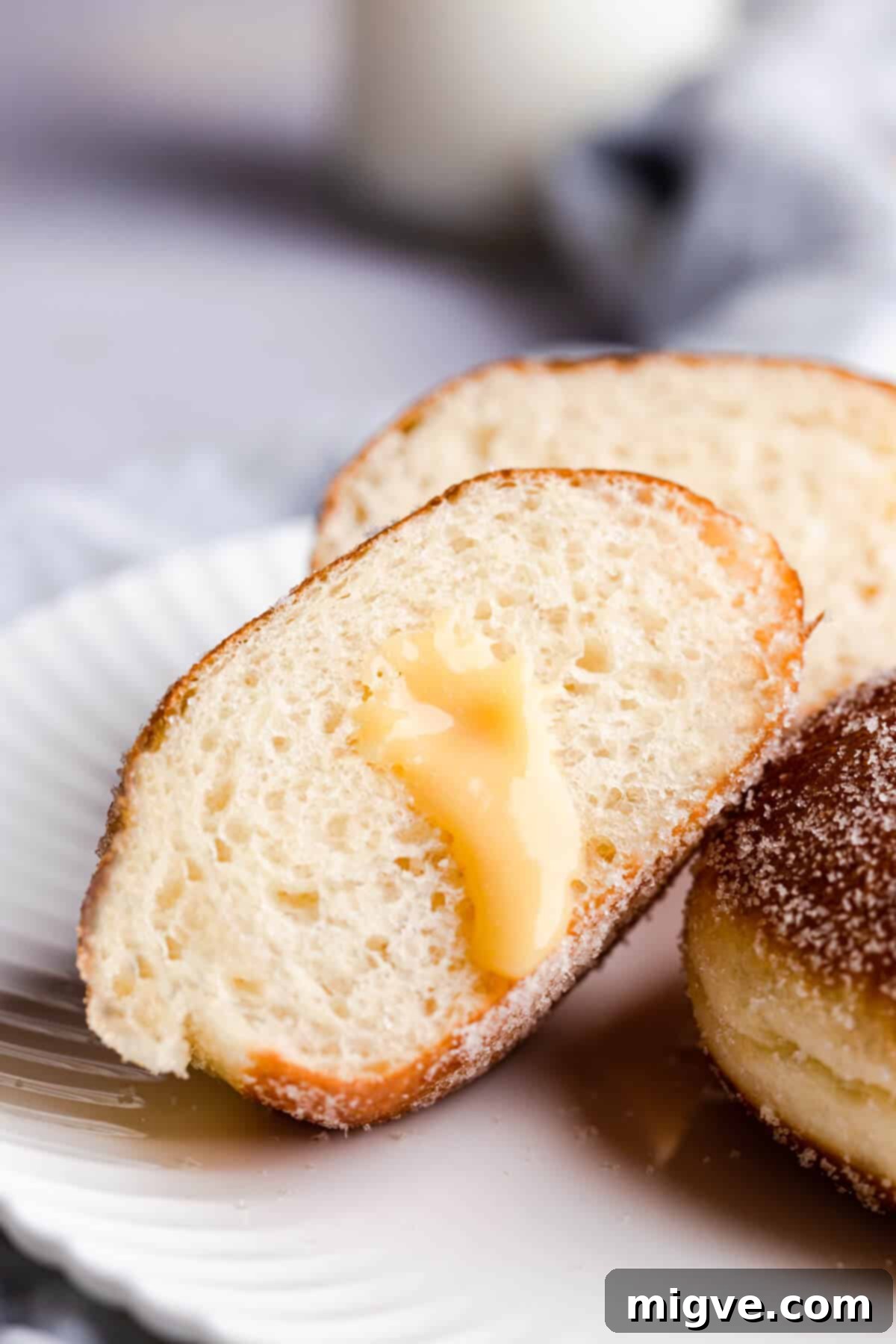
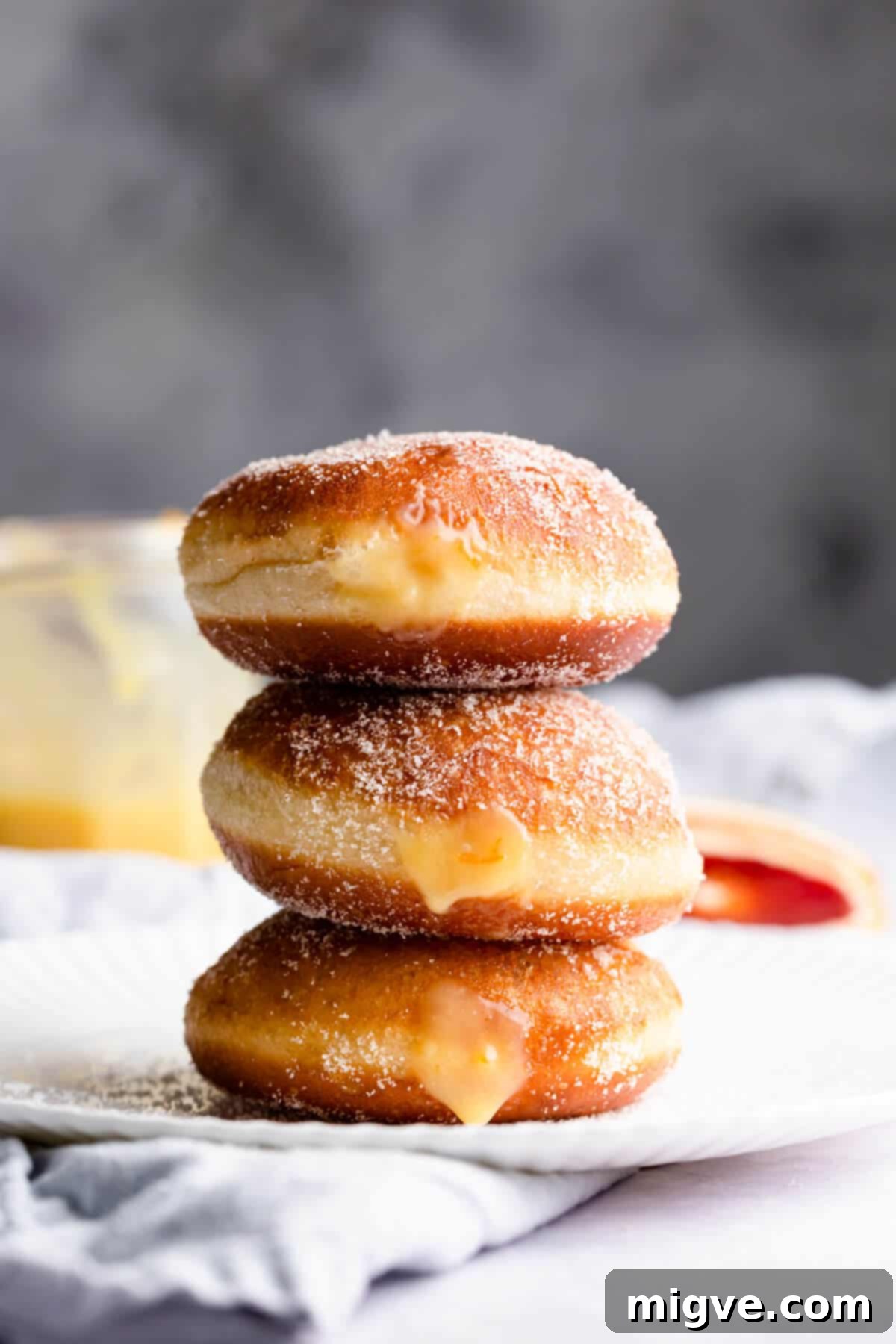
When it comes to doughnuts, the magic of homemade truly reigns supreme. Forget any shop-bought variety; the incredibly soft, squishy, and pillowy texture of a freshly made doughnut is simply incomparable. Imagine biting into that delicate, airy dough, instantly met with a delightful crispy sugar coating, followed by the luscious, tangy burst of blood orange curd. It’s a symphony of textures and flavors that will literally melt in your mouth, leaving you craving more.
Many home bakers find the idea of making their own doughnuts a bit intimidating. Perhaps you’ve never tried your hand at yeast doughs, or maybe you’re not the most experienced baker. But don’t let that deter you! This small batch doughnut recipe is specifically designed to make the entire process much more approachable and manageable, even for beginners. Instead of a daunting mountain of dough, you’re working with a smaller quantity, which simplifies everything from kneading to frying. It requires just a little bit of time and a dash of patience, but we promise you, the reward is immeasurable.
By following our straightforward steps, you’ll soon discover the immense satisfaction of creating six utterly delicious, completely irresistible, and perfectly golden-brown doughnuts right in your own kitchen. Once you experience how easy and rewarding it is to make these delightful treats from scratch, you’ll be hard-pressed to go back to store-bought options. Homemade doughnuts offer a freshness and quality that simply cannot be replicated, making them a truly special indulgence for yourself, your family, or a small gathering.
Mastering Homemade Doughnuts: Essential Tips for Success
Achieving bakery-quality homemade doughnuts is easier than you think, especially with a few key tips and a bit of foresight. Here’s how to ensure your small batch doughnuts turn out perfectly every time:
- **Plan Ahead for Ease:** To truly simplify your doughnut-making experience, consider starting this recipe a day in advance. Preparing the dough and allowing it to undergo an overnight prove in the refrigerator significantly eases the process the next day. This slow fermentation also often results in a richer, more complex flavor in your doughnuts. Similarly, if you’re using the luscious blood orange curd as your filling, making it a day ahead allows it ample time to cool and thicken properly. Once cooled, transfer it into a piping bag and store it in the fridge overnight, making filling a breeze when your doughnuts are ready.
- **Leverage a Freestanding Mixer (or Embrace Hand Kneading):** While not strictly essential, a freestanding mixer equipped with a hook attachment makes a world of difference for this dough. Doughnut dough can be quite sticky in its initial stages, and the mixer effortlessly handles the vigorous kneading required to develop the gluten. This results in a smooth, elastic dough without the arm fatigue. If you don’t have a mixer, fear not! You can absolutely knead the dough by hand. Expect it to take a bit longer, typically around 15-20 minutes, requiring a strong arm and a bit of elbow grease. Keep a bowl scraper handy to help manage the sticky dough.
- **Precision with a Kitchen Thermometer:** This is arguably the most crucial tool for frying perfect doughnuts. A kitchen thermometer is vital for ensuring your oil maintains the correct temperature. If the oil is too hot, your doughnuts will brown quickly on the outside but remain raw and doughy in the middle. Conversely, if the oil temperature is too low, the doughnuts will absorb too much oil, becoming greasy and heavy. Aim for a consistent temperature of 160°C (320°F). Regularly check the temperature and adjust your heat as needed to keep it stable throughout the frying process.
4. **Adjust Flour for Optimal Dough Consistency:** Dough hydration can vary based on the brand and type of flour, as well as ambient humidity. So, even if you follow the recipe precisely, your dough might feel excessively sticky or wet. This is completely normal! Simply add a small amount of additional flour, about a tablespoon at a time, incorporating it fully before adding more. Continue until the dough is just manageable and no longer adheres excessively to your hands or the bowl. The goal is a soft, slightly tacky dough, not a dry one.
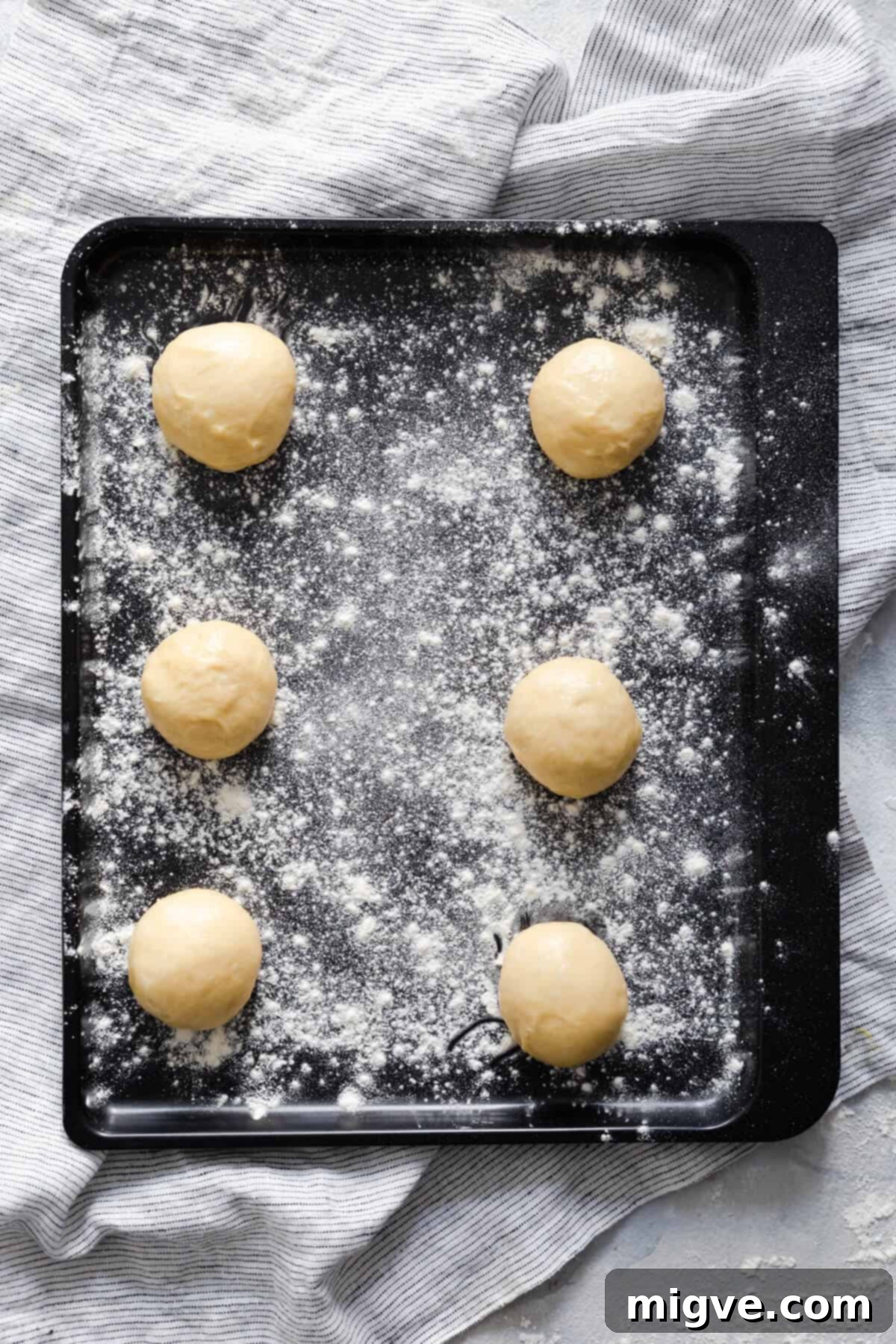
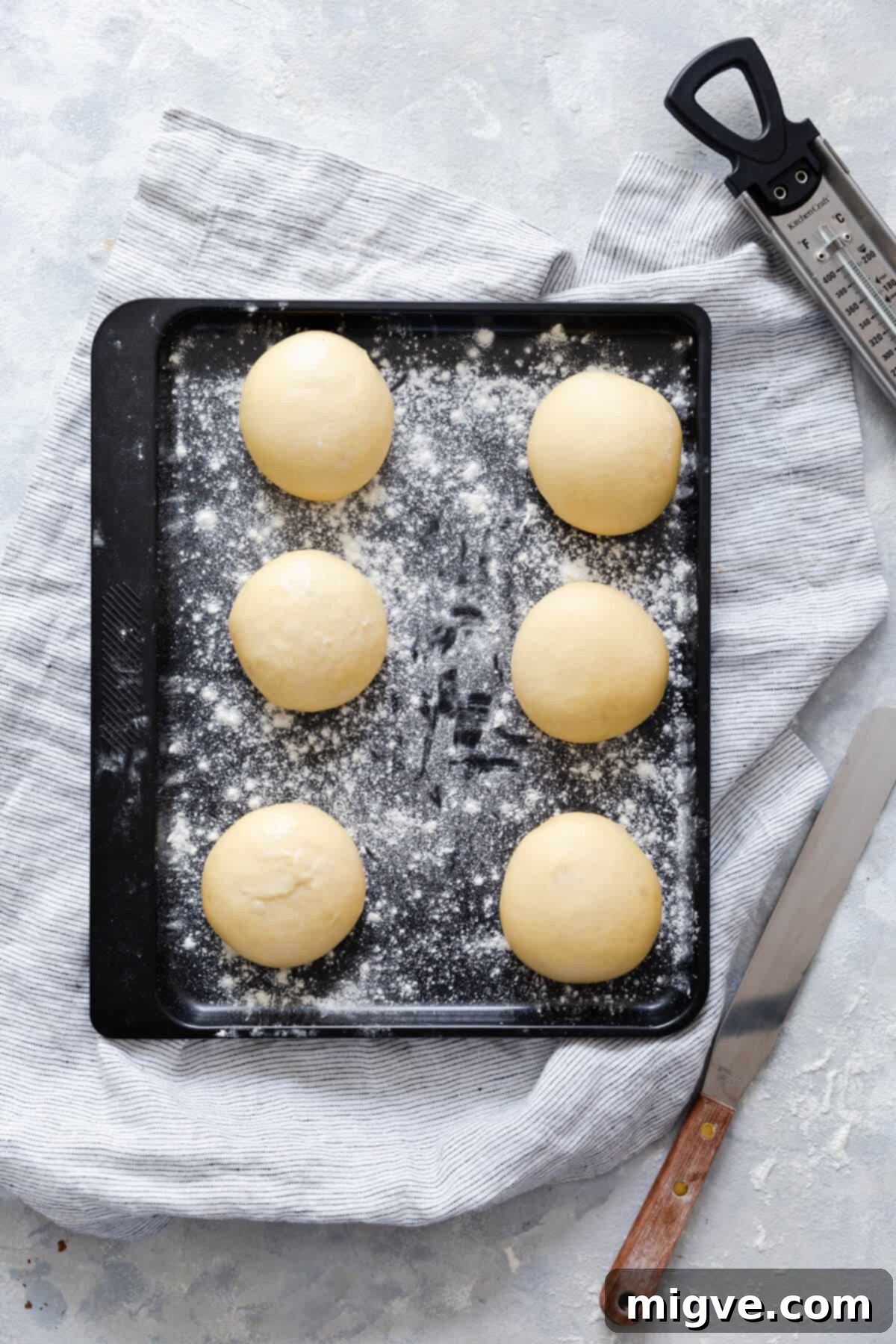
5. **Allow Ample Time for the Second Prove:** These small batch doughnuts require a second proving stage, which is crucial for achieving that characteristic light and airy texture. Do not rush this step! After you’ve shaped your individual doughnut balls, arrange them on a floured baking tray, cover them with a clean, damp tea towel, and place them in a warm, draft-free spot. Allow them to rise undisturbed until they have visibly doubled in size. This can take anywhere from 1 to 2 hours, depending on the warmth of your environment. A properly proved doughnut will yield a delicate crumb and float beautifully in the hot oil.
6. **Cool Doughnuts Before Filling:** Patience is a virtue when it comes to filling your freshly fried doughnuts. If you attempt to add the filling too soon, while the doughnuts are still hot, the warmth will cause the curd or cream to melt and become watery. This can lead to a messy filling experience and compromise the texture of your delicious concoction (though, admittedly, they’ll still taste good!). Allow your doughnuts to cool down for at least 15-20 minutes, or until they are warm enough to handle comfortably but not scalding hot, before injecting your chosen filling.
For even more handy tips about perfecting homemade doughnuts, we highly recommend consulting this insightful article from Kitchn, a fantastic resource for home bakers.
Creative Doughnut Fillings: Beyond Blood Orange Curd
One of the greatest joys of making doughnuts at home is the freedom to customize them with virtually any filling you desire! While our star today is the vibrant and tangy blood orange curd, offering a sophisticated twist to a classic treat, the possibilities are truly endless. For this recipe, we’ve used the exact same method and proportions as our beloved Homemade Lemon Curd, simply substituting juicy blood oranges for lemons to achieve its unique color and flavor profile.
However, if blood orange curd isn’t quite your preference, or if you’re looking to explore other delectable options, here are some fantastic ideas for delicious doughnut fillings to inspire your culinary creativity:
- **Your Favorite Jam or Marmalade:** A classic choice! Strawberry, raspberry, apricot, or even a zesty orange marmalade can provide a wonderful burst of fruity sweetness.
- **Rich Salted Caramel:** Indulge in the harmonious blend of sweet and salty with a luscious homemade or high-quality store-bought salted caramel filling.
- **Creamy Nutella:** A perennial favorite, Nutella offers a decadent hazelnut-chocolate experience that is universally loved.
- **Smooth Custard (and its delightful variations):** Traditional vanilla custard is always a hit, but don’t stop there! Experiment with different flavors like chocolate custard, coffee-infused custard, or even a pistachio custard for an elevated touch.
- **Light Whipped Cream:** For a lighter, airy filling, a sweetened whipped cream can be incredibly refreshing, especially when paired with fresh berries.
- **Decadent Chocolate Ganache:** A rich, velvety chocolate ganache can transform your doughnuts into an intensely satisfying dessert.
When it comes to piping your chosen filling, resist the urge to be too stingy! The filling is what truly defines the doughnut experience. Roughly 20-40 grams is an optimal quantity for a standard small batch doughnut, though this can vary slightly depending on the type and density of your filling. For example, a lighter, more aerated cream filling might require a bit less by weight compared to a dense jam or curd, to achieve a balanced flavor and texture. Ensure each doughnut feels satisfyingly plump and heavy in your hand after filling.
Storing Your Delicious Doughnuts: Keeping Them Fresh
Like many freshly baked goods, homemade doughnuts are at their absolute peak of flavor and texture immediately after preparation. For the best experience, they truly should be enjoyed on the same day they are cooked. The crispy sugar coating and the soft, airy interior are best appreciated within hours of frying.
However, if you do find yourself with any delightful leftovers, you can store them to enjoy a little later. Place them in an airtight container at room temperature for up to one day. This will help protect them from drying out and keep them as fresh as possible. Be aware that over time, even with proper storage, doughnuts will naturally begin to lose their initial freshness, and their delicate, pillowy texture will become somewhat drier and chewier. The crispy sugar coating may also soften.
It’s also important to note that this specific small batch doughnut recipe is not ideally suited for freezing. Freezing and thawing can significantly alter the delicate structure and texture of the dough, often resulting in a less desirable product. For optimal enjoyment, plan to make only what you can reasonably consume within a day.
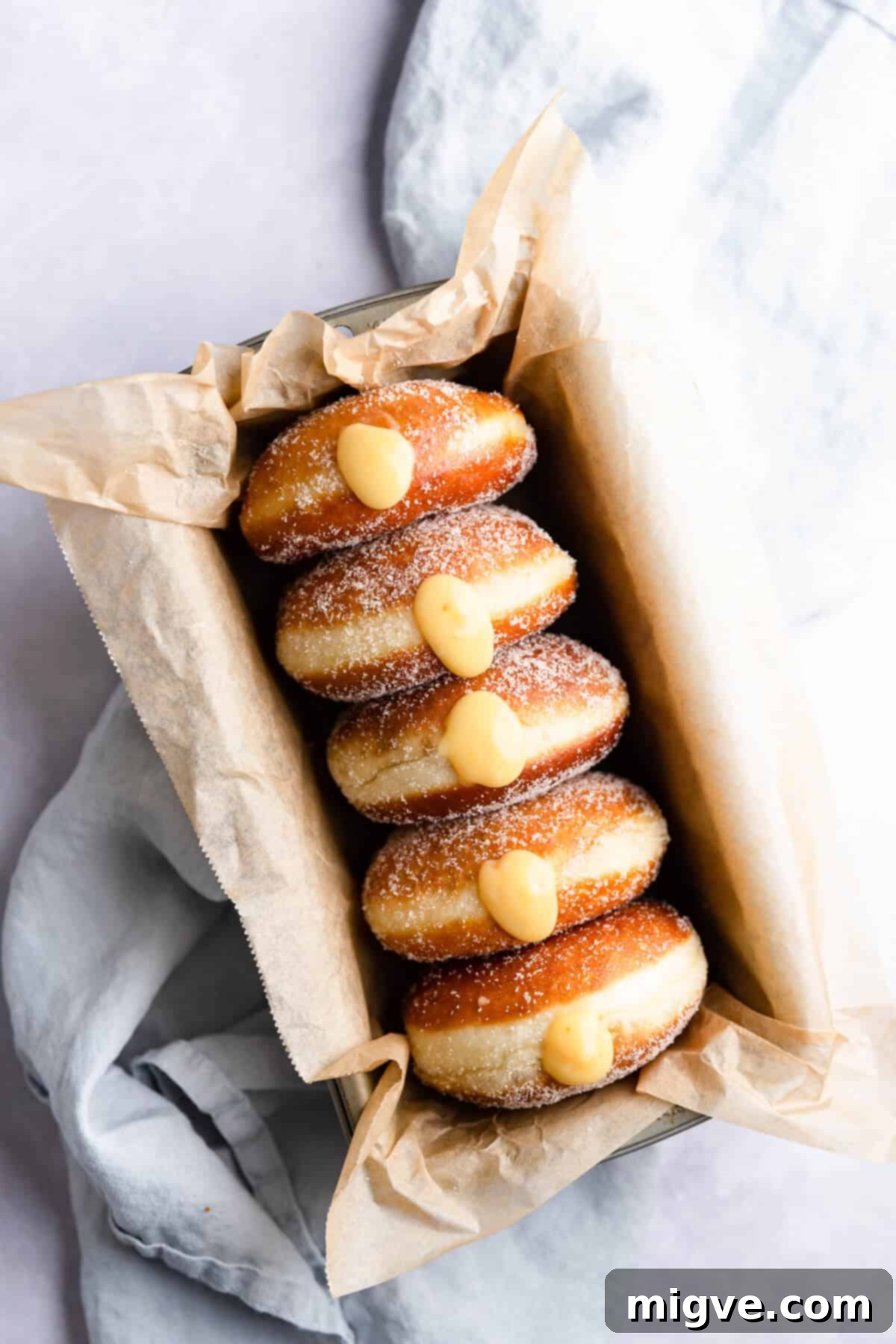
If you embark on this delicious baking adventure, we would absolutely love to see your creations! Make sure to tag us on Instagram and leave a comment below to share your experience with this, or any other of our recipes. Your feedback and photos are always a joy to see!
📖 Recipe: Small Batch Doughnuts with Blood Orange Curd

Print Recipe
Pin Recipe
Small Batch Doughnuts
Equipment
- Freestanding mixer with hook attachment (optional)
- Baking tray
- Medium heavy-based pan
- Kitchen thermometer (optional, but highly recommended)
- Slotted spoon
- Piping bag with small plain nozzle
Ingredients
- ½ teaspoon instant yeast
- 40 ml warm water
- 120 g strong white flour plus extra for dusting
- 15 g golden caster sugar plus extra for rolling
- ¼ teaspoon fine salt
- 1 large egg
- 30 g unsalted butter softened
- 1 litre vegetable or sunflower oil for frying
For blood orange curd:
- 3 medium blood oranges zest and juice
- 200 g caster sugar
- 120 g unsalted butter cubed
- 3 large eggs plus one egg yolk
Instructions
- In a small jug or a mug, thoroughly mix together the instant yeast and 40ml of warm water. Let it sit for a few minutes until slightly foamy, indicating the yeast is active.
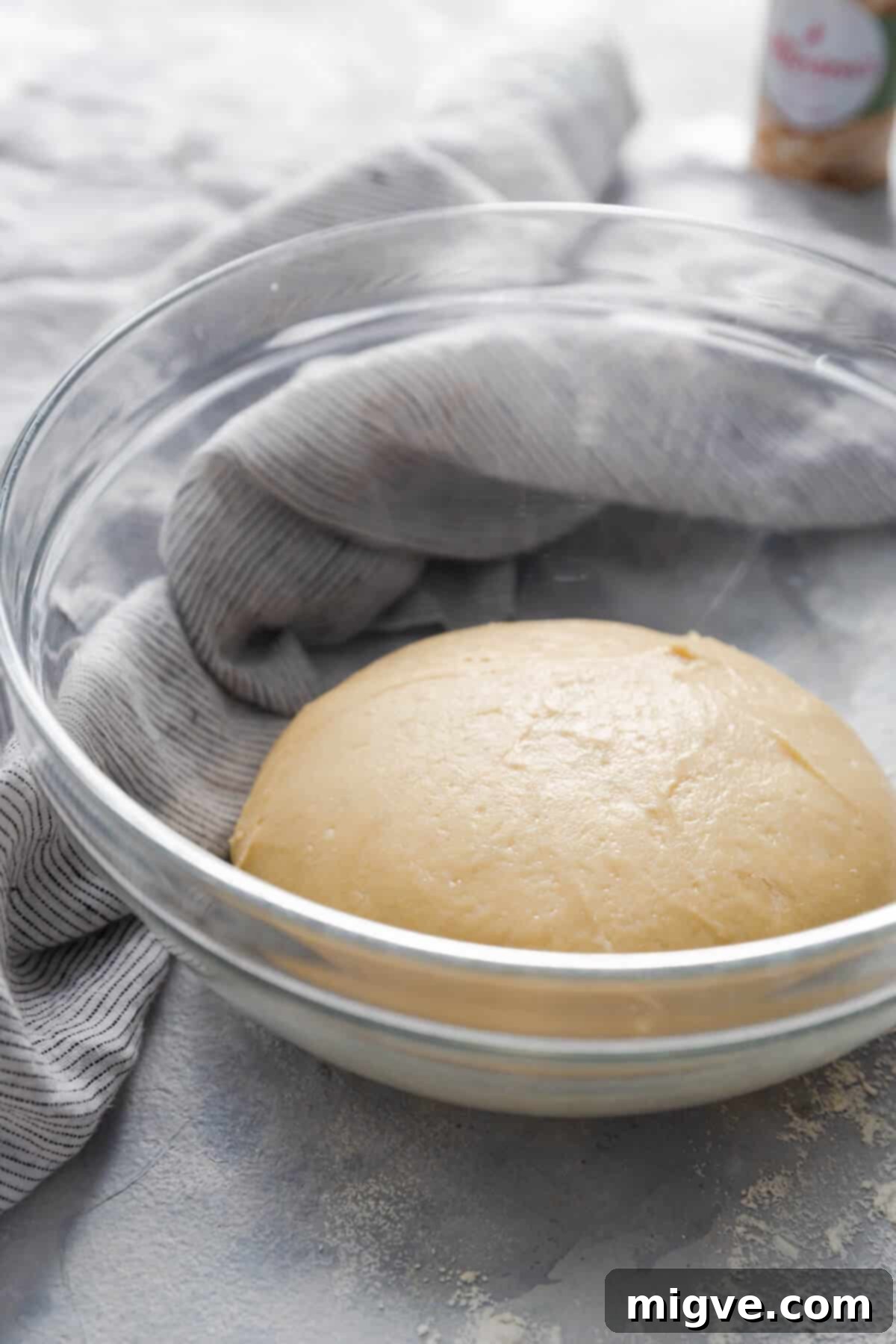
- In the bowl of a freestanding mixer fitted with a hook attachment, combine the strong white flour, golden caster sugar, and fine salt. Pour in the yeast mixture, followed by the large egg. Mix on medium speed for approximately 5 minutes until the ingredients come together to form a springy, slightly sticky dough. (If kneading by hand, this step will take about 15-20 minutes, requiring consistent effort as the dough will be quite sticky initially.) Continue mixing, gradually adding the softened unsalted butter, about a quarter at a time, ensuring each addition is fully incorporated before adding the next. Once all the butter is integrated, increase the mixer speed to high and mix for another 5 minutes until the dough becomes shiny, smooth, and stretchy. Shape the dough into a ball, return it to the bowl, cover it with a clean, damp tea towel, and leave it in a warm, draft-free place until it has doubled in size (this typically takes about an hour).
- Meanwhile, prepare the vibrant blood orange curd. In a heatproof bowl set over a saucepan of gently simmering water (ensure the bowl does not touch the water), combine the zest and strained juice of the blood oranges with the cubed unsalted butter and caster sugar. Stir frequently until all of the butter has completely melted and the sugar has dissolved. In a separate jug, briefly whisk the 3 large eggs and the additional egg yolk. Slowly pour the whisked eggs into the warm orange mixture, continuously stirring to prevent scrambling. Continue to cook the mixture over the simmering water for 10-20 minutes, stirring occasionally, until it thickens to a rich, creamy consistency. The curd is ready when it coats the back of a spoon and you can draw a clean line across it with your finger. Remove the bowl from the heat and allow the curd to cool completely at room temperature; it will thicken further as it cools.
- Once your dough has successfully risen and doubled in size, gently knead it in the bowl for a minute to “knock it back” or release the air. Transfer the dough to a lightly floured surface and divide it into 6 equal pieces. For precise and uniform doughnuts, use kitchen scales to ensure each piece weighs approximately 40 grams (the total dough should be around 240g).
- Carefully roll each piece of dough into a smooth, tight ball using your palms. Arrange these dough balls on a lightly floured baking tray, ensuring they are spaced adequately apart to allow for rising. Cover them with a damp tea towel and place them in a warm area to undergo their second prove until they have doubled in size (this typically takes 1-2 hours, depending on the ambient temperature). During this time, transfer your cooled blood orange curd into a piping bag fitted with a small plain nozzle, and keep it chilled in the refrigerator until needed.
- When the doughnuts are fully proved, half-fill a medium, heavy-based pan with vegetable or sunflower oil. Heat the oil over medium heat until it reaches a stable temperature of 160°C (320°F). Line one large plate with several sheets of paper kitchen towel (for draining) and another large plate with golden caster sugar (for coating). Once the oil is at the correct temperature, use a palette knife or a flat spatula to gently lower 2 or 3 doughnuts into the hot oil, being careful not to overcrowd the pan. Fry the doughnuts for 2-3 minutes on each side, until they turn a beautiful golden brown color. Using a slotted spoon, carefully lift the cooked doughnuts out of the oil and transfer them to the paper towel-lined plate to drain any excess oil.
- Allow the doughnuts to cool just enough so they are comfortable to handle, but still warm. While still warm, roll them generously in the extra caster sugar until thoroughly coated. Take a skewer or a small sharp knife and carefully poke a hole into one side of each doughnut, creating a cavity for the filling. Gently insert the tip of the piping bag filled with blood orange curd into this hole and pipe in the filling until the doughnut feels plump and slightly heavier (approximately 20-40g of filling). Serve and enjoy your exquisite homemade doughnuts on the day of cooking for the ultimate fresh experience.
Please note that all my recipes are developed and tested using metric grams for precision. I highly recommend using digital scales for the most accurate and consistent results. While a conversion to US customary units has been provided within the recipe card, please be aware that I have not personally tested the recipe using these conversions.
Notes
- Make-ahead instructions:
- The doughnut dough can be prepared up to a day in advance. After the initial knead, instead of leaving it in a warm place, place the covered bowl of dough in the refrigerator to prove overnight. On the morning you plan to make the doughnuts, simply take the dough out of the fridge and proceed directly to step 4 in the recipe instructions.
- The blood orange curd can also be prepared several days in advance. Once cooled, transfer the curd into a piping bag and store it sealed in the refrigerator until you are ready to use it.
- For those with a deep fryer, this can be used as an alternative to a heavy-based pan. Always exercise extreme caution when deep frying, as the oil becomes incredibly hot and poses a burn risk.
Nutrition
If you would like to receive future updates and mouth-watering recipes straight to your inbox, make sure to sign up to my mailing list.