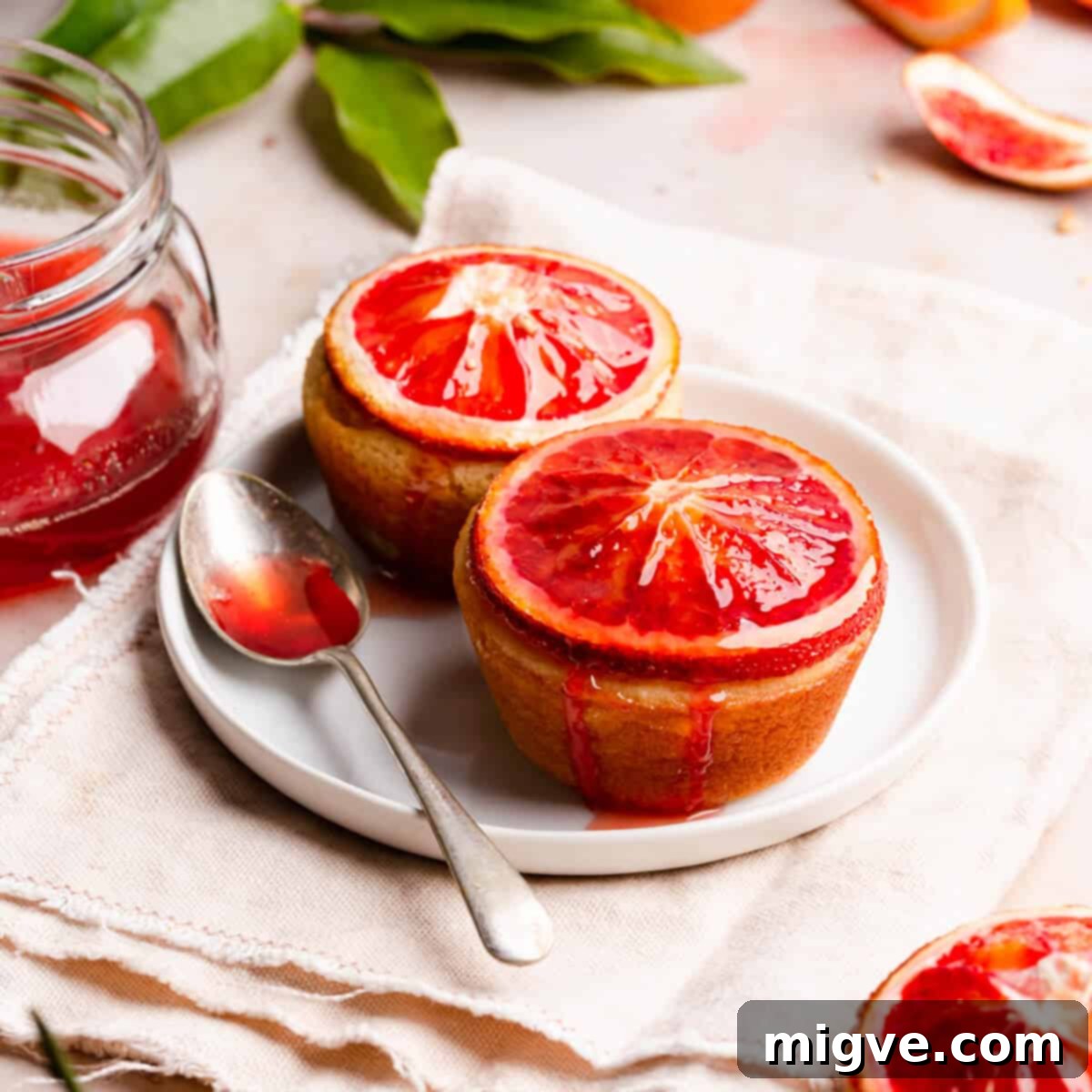
Welcome to the ultimate celebration of citrus season with these exquisitely
crafted Blood Orange and Semolina Cakes. Imagine a dessert that perfectly
encapsulates the vibrant essence of winter fruit, delivering a taste
experience that is both luxurious and comforting. These individual mini
cakes are a testament to elegant simplicity, featuring a super moist,
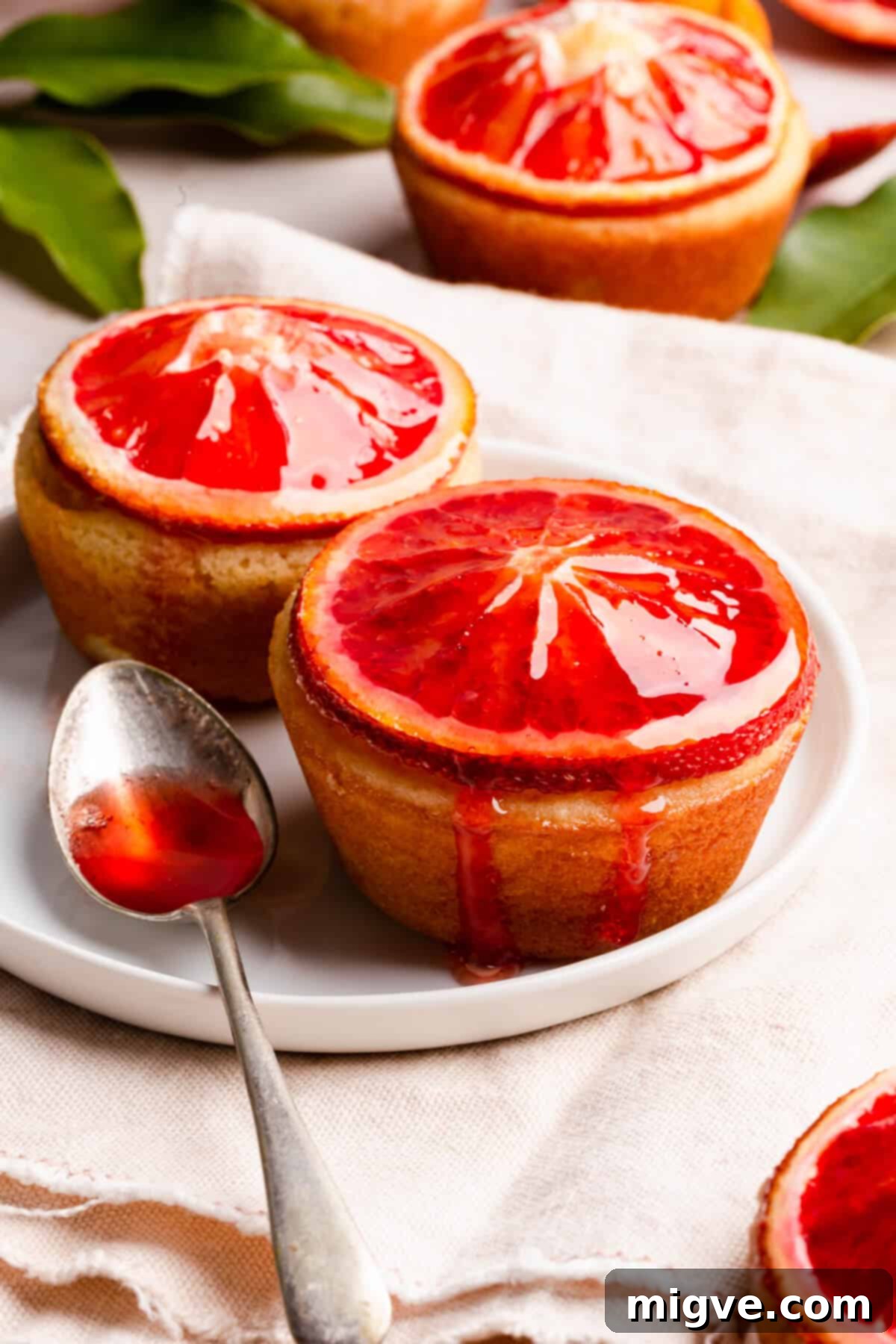
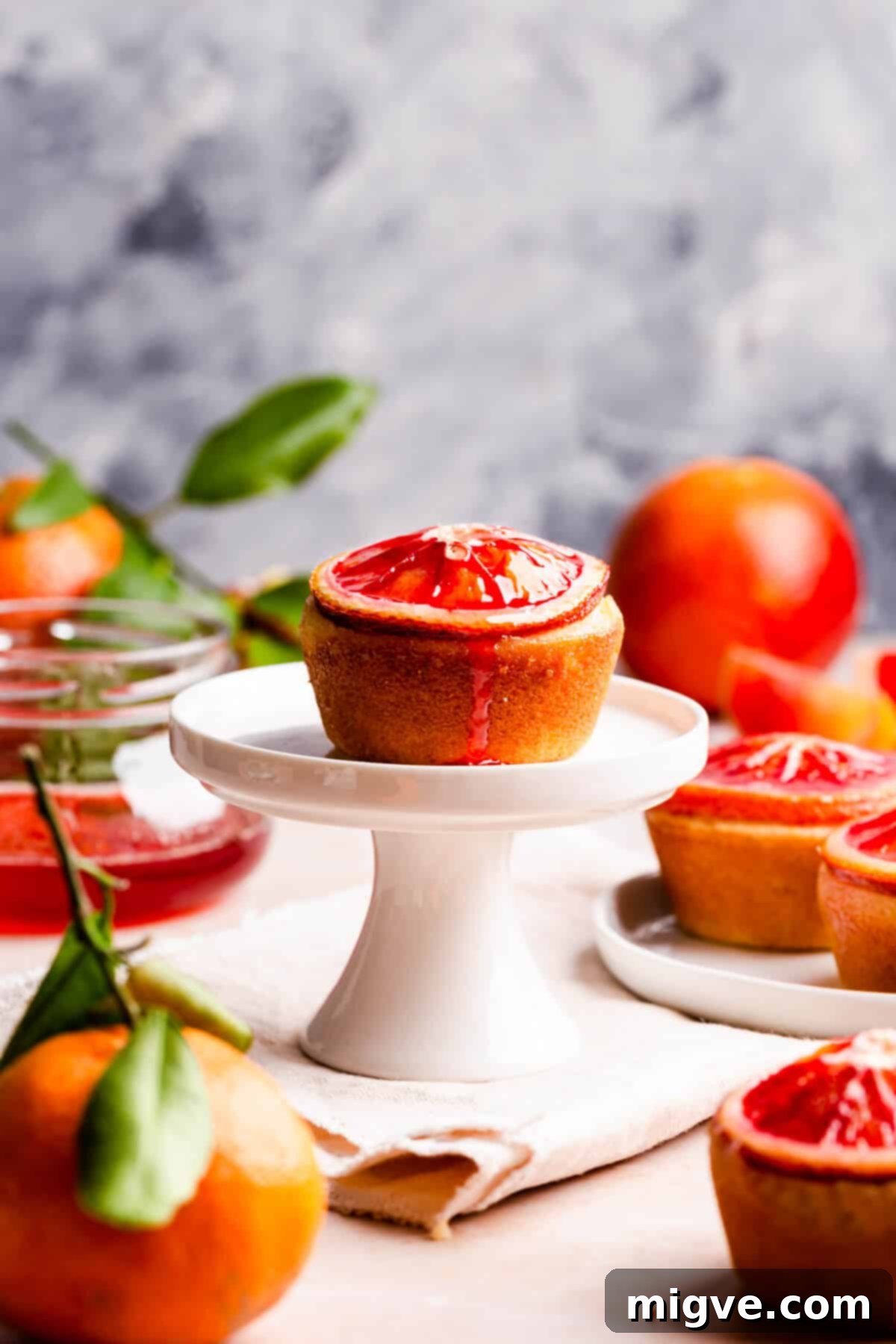
delightfully light, and incredibly soft sponge. Each one is crowned with a
thin, succulent slice of juicy blood orange, generously drenched in a
luscious, sweet, and sticky citrus syrup. The result is a truly aromatic,
zesty, and profoundly flavorful treat, bursting with the distinctive taste
of blood oranges in every single bite. They are not just visually stunning,
with their vibrant hues and glossy finish, but also offer an unforgettable
sensory journey that brightens any table and delights any palate. Perfect
for a special occasion, a festive gathering, or simply to elevate your
everyday afternoon tea, these cakes are designed to impress and satisfy,
making the most of seasonal produce.
Choosing the Perfect Baking Tin for Your Blood Orange Semolina Cakes
Selecting the right baking tin is crucial for achieving uniform,
beautifully baked Blood Orange and Semolina Cakes. For this specific
recipe, you essentially have two excellent options, both designed to yield
flawless individual portions. Each choice comes with its own set of
advantages, allowing you to tailor the output to your preferences and
available kitchen equipment.
Your first option is to use a large, 12-hole muffin tin. These tins
typically feature cups with a capacity of 125ml (approximately ½ cup). If
you own one of these, it will be absolutely perfect for this recipe. The
batter is meticulously formulated to produce precisely 12 cakes when using
this size, ensuring that you won’t have any leftover batter. This results
in generously sized mini cakes, ideal for a satisfying individual serving.
The larger capacity allows for a slightly more substantial cake, which
retains moisture exceptionally well and provides a delightful canvas for
the vibrant blood orange slice on top.
Alternatively, you can opt for a traditional 12-hole muffin pan, which
features smaller cups, typically around 80ml (or ⅓ cup) in capacity. Should
you choose this size, you’ll be delighted to find that this recipe will
produce approximately 15 cakes in total. This means you’ll have a few extra
“bonus” mini cakes to enjoy or share! The slightly smaller portions are
charming for tea parties, dessert platters, or for those who prefer a more
delicate sweet bite. Both sizes will yield cakes with the signature moist
and airy texture, so the choice truly depends on your preference for cake
size and quantity.
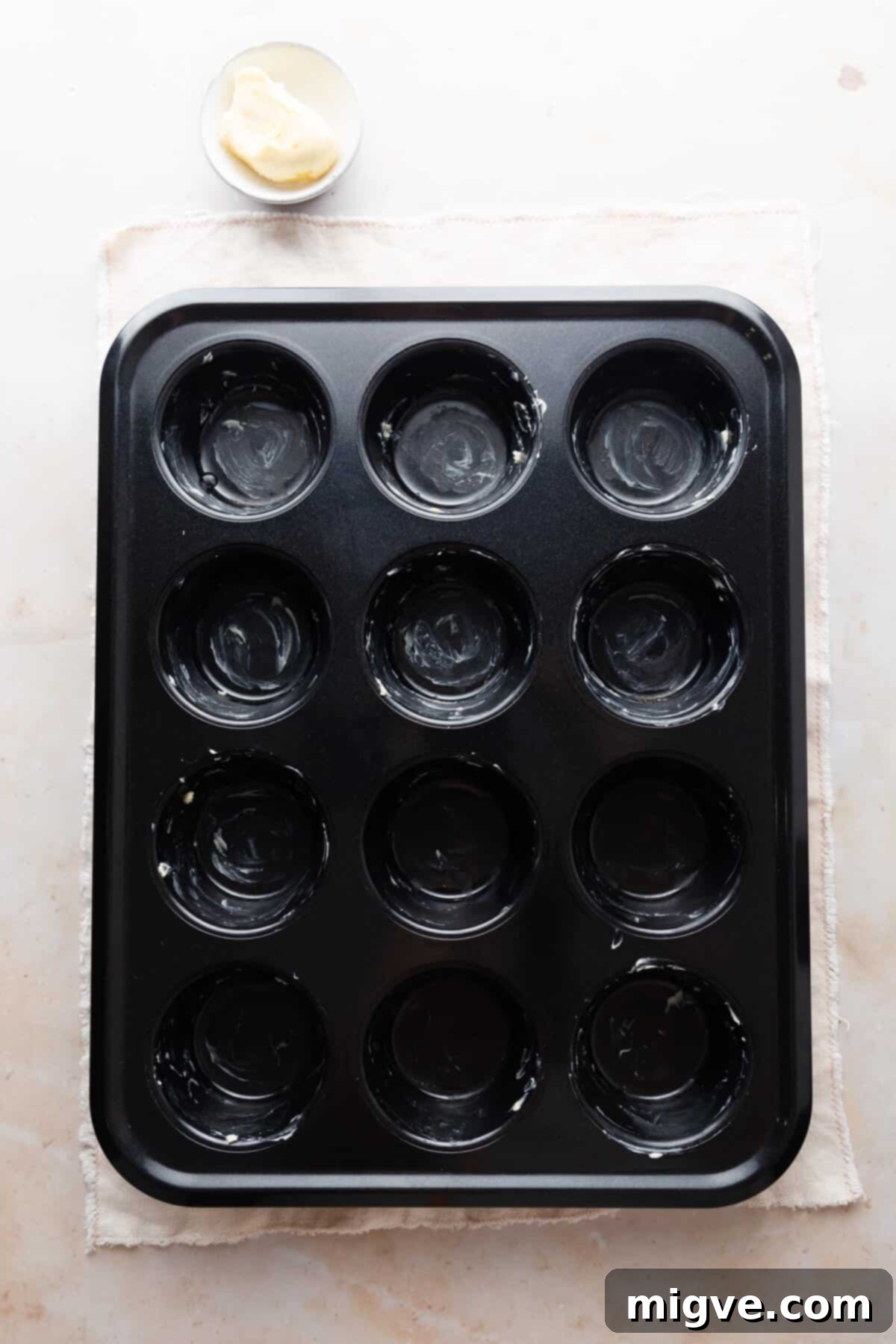
Regardless of which tin you select, proper preparation is key. This recipe
does not utilize muffin liners or paper cases, as we want the cakes to have
a beautifully smooth exterior and for the syrup to be absorbed directly
into the cake and around the orange slice. Therefore, it is imperative to
thoroughly grease each hole of your chosen tin. You can use a pat of soft
butter, a brush of vegetable oil, or a quick spray of non-stick baking
spray. Ensure every crevice is well-coated to prevent sticking and to allow
for easy removal of your delicate Blood Orange and Semolina Cakes once
they are baked and slightly cooled. This attention to detail will ensure
your cakes release perfectly, preserving their elegant appearance.
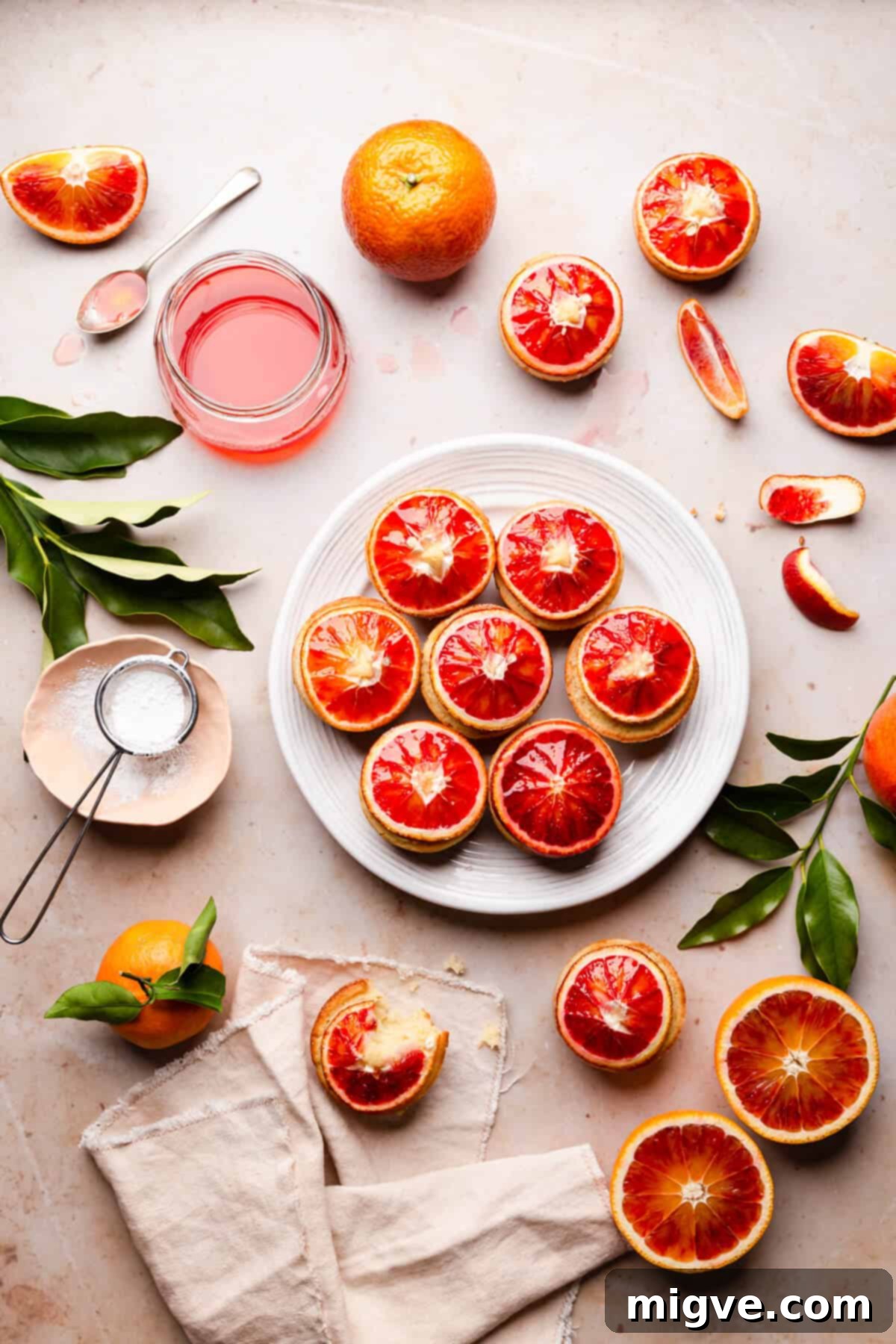
The Culinary Secrets to Exceptionally Moist and Airy Blood Orange Semolina
Cakes
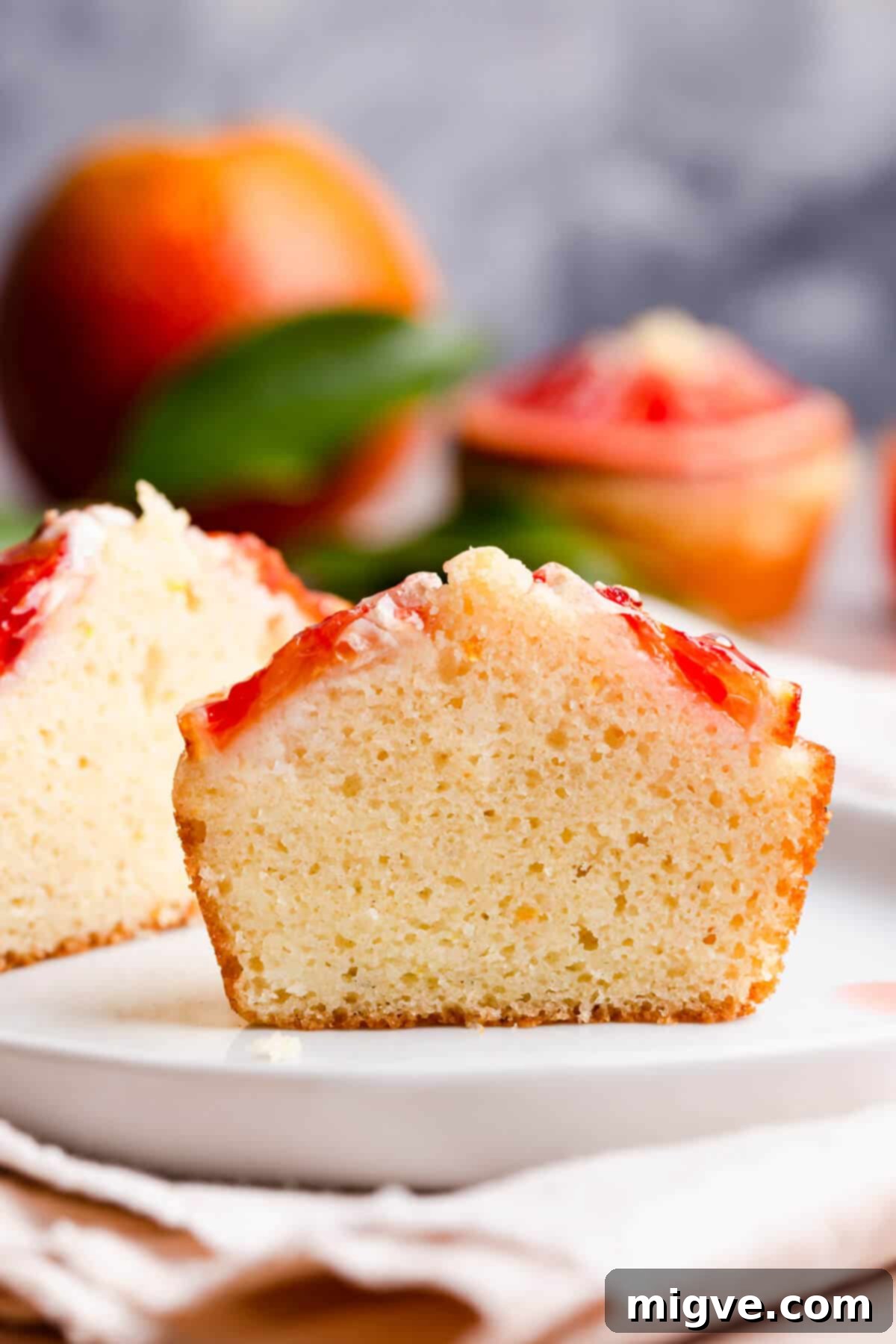
The unparalleled texture of these Blood Orange and Semolina Cakes—their
remarkable moistness and delicate airiness—is no accident. It stems from a
carefully balanced combination of unique ingredients and precise baking
techniques. Unlike traditional cakes that rely heavily on all-purpose
flour, this recipe utilizes a minimal amount of wheat flour, allowing other
star ingredients to shine and create its signature characteristics.
The Power of Semolina and Ground Almonds
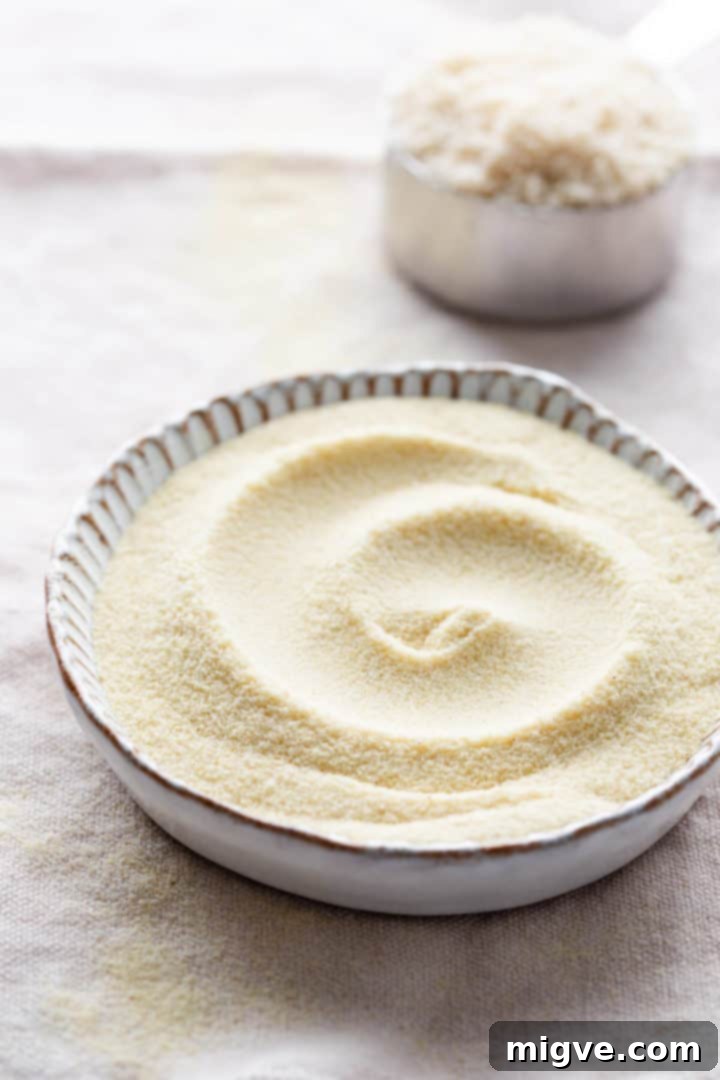
At the heart of these cakes’ structure and delightful crumb lies a special
blend of semolina and ground almonds. Semolina, often known for its use in
pasta and puddings, is a coarse-textured flour derived from durum wheat. It
boasts a slightly nutty and sweet flavor profile, reminiscent of cornmeal
but with a finer, more delicate mouthfeel. In baking, semolina is a game-
changer; it creates incredibly light and moist bakes, providing a tender
crumb that’s simultaneously robust enough to absorb and hold onto sweet
syrups without becoming soggy. The fine granules of semolina give the cakes
a subtle, pleasant chewiness that is utterly unique. If you only have
coarser semolina available, a quick pulse in a blender can help achieve the
finer texture ideal for this recipe.
Complementing the semolina are ground almonds. These contribute a rich,
subtle nuttiness and, more importantly, a significant amount of moisture to
the cake. Almonds are naturally high in healthy fats, which not only
enhance the flavor but also help keep the cakes incredibly moist for
longer, preventing them from drying out. Together, semolina and ground
almonds form a harmonious base that provides structure, moisture, and a
distinctive flavor profile, setting these blood orange cakes apart from any
standard sponge.
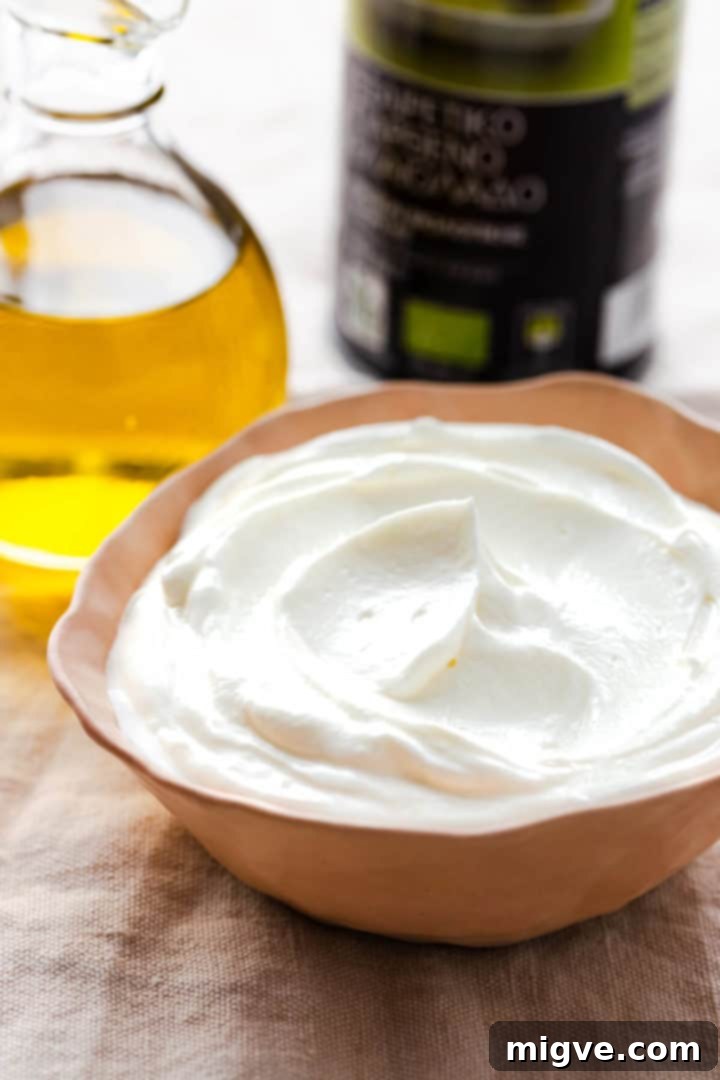
The Magic of Extra Virgin Olive Oil and Full-Fat Greek Yogurt
Another secret to the enduring moistness of these Blood Orange and Semolina
Cakes lies in the strategic use of extra virgin olive oil and full-fat
Greek yogurt. Unlike butter, which contains water that evaporates during
baking and can lead to drier cakes, extra virgin olive oil is pure fat. This
means it contributes incredible richness and moisture without any water
loss, resulting in a cake that stays tender and fresh for an extended
period. Beyond its functional benefits, a good quality extra virgin olive
oil also imparts a subtle, fruity undertone that beautifully complements
the vibrant citrus notes of the blood oranges.
Full-fat Greek yogurt plays an equally vital role. Its high fat content
adds to the cake’s luxurious texture and moistness, while its natural
acidity helps to tenderize the cake crumb, making it incredibly soft. The
yogurt also contributes a delicate tang that balances the sweetness of the
cake and syrup, enhancing the overall flavor complexity. The combination
of olive oil and Greek yogurt ensures a deeply moist interior that remains
succulent long after baking, distinguishing these cakes from traditional
butter-based recipes.
Whipping and Folding: The Art of Aeration
The journey to an airy cake begins with proper aeration. For the initial
stage of this recipe, an electric or freestanding mixer is highly
recommended, though it is certainly possible to achieve fantastic results
by hand with a sturdy whisk and a spatula. The process starts by vigorously
whipping the eggs and sugar together. This isn’t just about combining them;
it’s about incorporating a significant amount of air into the mixture. You
should continue whipping until the mixture transforms into a pale, fluffy
concoction that has visibly doubled, or even tripled, in volume. This
aerated egg mixture forms the foundational structure for the cake’s light
and delicate crumb.
Once the eggs and sugar have reached their peak fluffiness, the remaining
batter ingredients are introduced. This is where the art of gentle folding
comes into play. With a spatula, carefully fold in the Greek yogurt, olive
oil, vanilla extract, blood orange zest, semolina, sifted flour, baking
powder, and ground almonds. The key here is to be deliberate and slow,
using a light hand. Overmixing at this stage can quickly deflate the precious
air bubbles you’ve worked so hard to create. These air bubbles are the
secret to the ultra-light and ethereal texture of these blood orange
semolina cakes, so treat them with care! Gently folding ensures that the
batter remains aerated, promising a light and tender result.
Baking to Perfection
After preparing the delicate batter, evenly divide it among the greased
muffin tin cups. A cookie scoop or ice cream scoop can be incredibly useful
here to ensure each cake is uniformly sized, contributing to even baking and
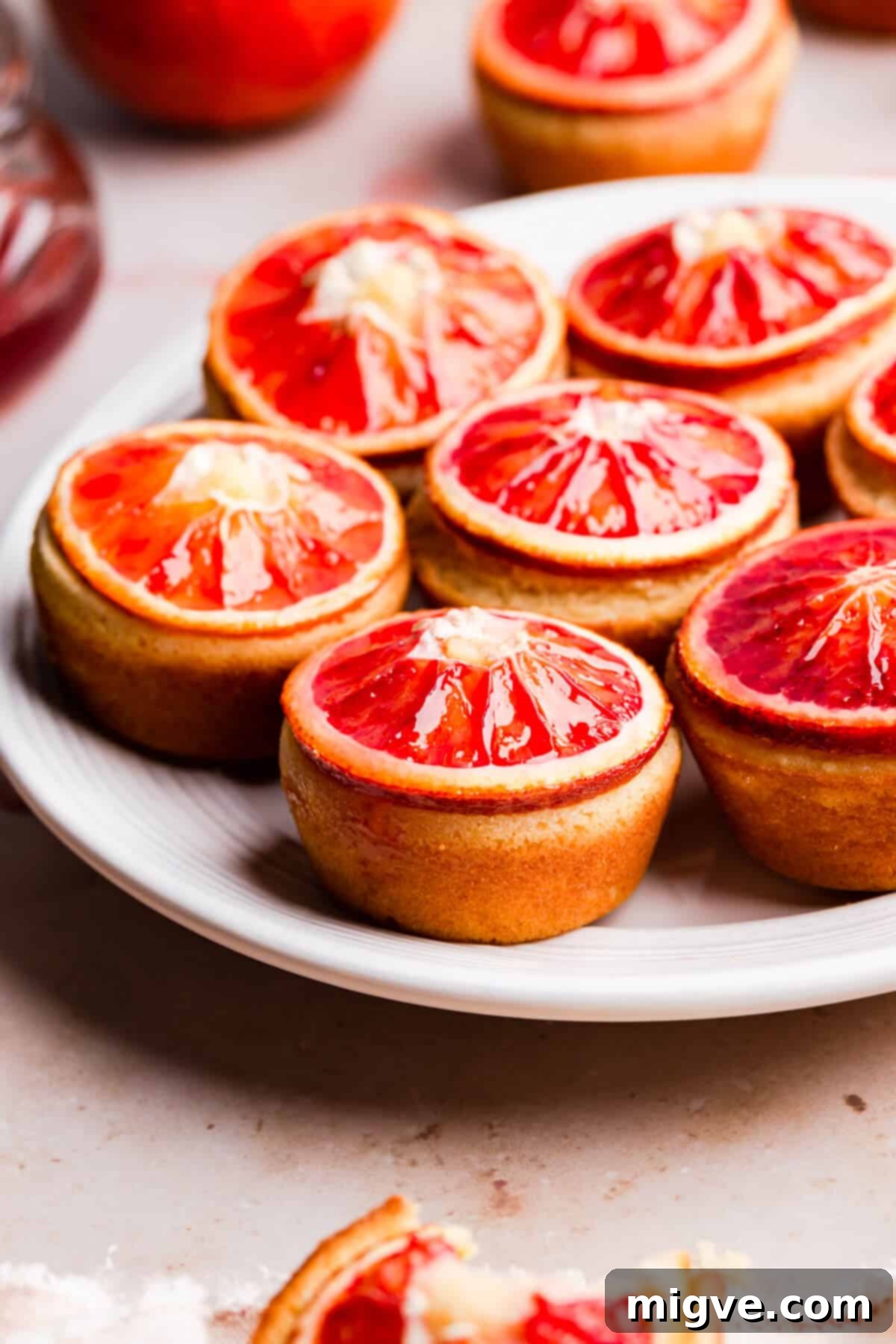
a professional presentation. Once the batter is in place, adorn each cake with
a beautiful, thin slice of blood orange. This not only adds a stunning
visual appeal but also infuses the cake with more fresh citrus flavor as it
bakes. For an extra touch of caramelized sweetness and to help coax out the
juices from the orange slices, lightly sprinkle some additional caster sugar
over the top of each orange slice before baking.
Bake the cakes in a preheated oven for approximately 15-18 minutes. Keep a
close eye on them; they should turn a lovely golden brown around the edges,
and a toothpick or skewer inserted into the center of a cake should come
out clean, indicating they are perfectly cooked through. Avoid overbaking,
as this can compromise the moistness we’ve worked so hard to achieve.
Once baked, remove the tin from the oven and allow the cakes to cool in
the tin for about 5 minutes before carefully transferring them to a wire
cooling rack. This brief cooling period helps them firm up slightly,
making them easier to handle and preventing them from breaking apart.
Tips for Storing and Enjoying Your Blood Orange and Semolina Mini Cakes
To ensure you can savor the delightful flavors and moist texture of these
Blood Orange and Semolina Cakes for as long as possible, proper storage is
essential. Whether you plan to enjoy them within a couple of days or wish
to preserve them for a future treat, here’s how to keep them at their best.
Short-Term Storage: Keeping Them Fresh
Any leftover Blood Orange and Semolina Cakes should be stored in an
airtight container at room temperature. This helps to protect their delicate
texture and prevent them from drying out too quickly. While they will remain
delicious for up to 2 days, it’s worth noting that their peak moistness and
fragrance are best enjoyed on the first day. Over time, particularly if
exposed to air, the cakes may lose some of their initial tenderness. To keep
them extra fresh, consider placing a slice of bread in the container with
the cakes; the bread will absorb moisture and help maintain the cakes’
softness. Avoid refrigerating these cakes unless absolutely necessary, as
the cold air can dry out sponge cakes more rapidly.
Long-Term Storage: Freezing for Future Indulgence
These blood orange semolina cakes are wonderfully suitable for freezing,
making them an excellent option for meal prepping desserts or ensuring you
always have a gourmet treat on hand. The key to successful freezing is
preparation. Once your cakes are baked, allow them to cool completely on a
wire rack. It is crucial *not* to drizzle the cakes with the blood orange
syrup before freezing. The syrup contains water, which can form ice crystals
and alter the cake’s texture upon thawing.
To freeze, simply wrap each individual cake tightly in clingfilm (plastic
wrap). This protective layer prevents freezer burn and helps preserve
their moisture and flavor. After wrapping, place the cling-filmed cakes
into a freezer-friendly airtight container or a heavy-duty freezer bag.
Label the container with the date, and they can be stored in the freezer
for up to three months without compromising quality.
When you’re ready to enjoy a frozen cake, simply transfer it from the
freezer to room temperature and allow it to thaw overnight. Once fully
thawed, you can then prepare the sweet and sticky blood orange syrup (if
you didn’t make extra before) and drizzle it generously over each cake just
before serving. This ensures the syrup remains glossy and fresh, perfectly
complementing the cake’s restored texture. Freezing these cakes means you
can enjoy the bright flavors of blood orange long after citrus season has
passed!
If your love for blood oranges extends beyond these delectable cakes, you
simply must explore other delightful ways to incorporate this vibrant
fruit into your culinary repertoire. For a refreshing adult beverage that
captures the zesty essence of blood oranges, we highly recommend giving this
Blood Orange Margarita
recipe a try! It’s the perfect complement to a plate of these sweet treats.

Hungry for More Zesty Citrus Delights? Explore Our Recipes!
If the vibrant, refreshing flavors of blood orange have captured your
heart, and you’re eager to continue your culinary journey through the world
of citrus, you’ve come to the right place! We believe that citrus fruits
offer an unparalleled burst of freshness and zest that can transform any
dish, from sweet desserts to savory meals and refreshing drinks. Here are
a few more of our favorite citrus-infused recipes that we think you’ll
adore, each bringing its own unique charm and brightness to your kitchen.
-
Light and Flavorful Citrus Crepes with Honey
– A delicate breakfast or dessert option, perfect for a special brunch. -
Irresistibly Zesty Lemon Cake: A Classic Favorite
– The quintessential lemon cake, bright and tangy, an absolute crowd-pleaser. -
Small-Batch Lemon Drizzle Cake: Perfectly Portioned Sweetness
– For when you crave a delightful lemon treat without baking a large cake.
We genuinely hope you enjoyed baking and tasting these Blood Orange and
Semolina Cakes as much as we loved creating this recipe for you. Your
feedback is incredibly valuable to us! Please feel free to leave a comment
below and a rating if you try this, or any other of our recipes. We
absolutely love hearing from you and seeing your wonderful creations. You
can also share your delicious results and follow us on our culinary adventures
on Instagram and
Pinterest. To
easily pin this recipe and save it for later inspiration, simply use the
convenient button on the recipe card below or hover over any of the beautiful
photos above. Happy baking, and may your kitchen always be filled with the
sweet aroma of fresh citrus!
📖 Recipe

Print Recipe
Pin Recipe
14 votes
Blood Orange and Semolina Cakes
moist, and airy texture, absolutely brimming with zesty, fragrant
citrus flavors. Each individual cake is elegantly topped with a
thin slice of vibrant blood orange and generously drizzled with a
sweet, sticky syrup, creating an delightful treat that’s
perfect for any occasion. Their captivating appearance and
delightful taste make them truly hard to resist!
mini cakes
Equipment
-
12- hole muffin tin (80ml / ⅓ cup or 125ml/ ½ cup
capacity) -
electric or freestanding mixer
-
spatula
Ingredients
-
2
tablespoon
butter or oil for greasing the tin
or non-stick spray -
3
large
eggs -
140
g
caster sugar
plus extra 2 tablespoon for topping -
280
g
Greek yogurt
full fat -
60
ml
extra virgin olive oil -
1
teaspoon
vanilla extract -
1
teaspoon
blood orange zest -
160
g
semolina -
35
g
plain flour
sifted -
1
teaspoon
baking powder
sifted -
40
g
ground almonds -
2
large
blood oranges
sliced thinly -
2
tablespoon
icing/ powdered sugar
optional
For the syrup:
-
125
ml
blood orange juice -
60
ml
water -
75
g
caster sugar
–
US Customary
Instructions
- Preheat your oven to 180C (170C fan). Thoroughly
grease your 12-hole muffin tin with butter, oil,
or non-stick spray, and then set it aside. This
ensures the cakes will release easily after baking. - In the bowl of an electric or freestanding mixer
(or a large bowl with a hand whisk), combine the
eggs and caster sugar. Whisk them vigorously for
about 3-4 minutes until the mixture becomes light
in color, pale, wonderfully fluffy, and has
noticeably doubled in volume. This aeration is
key for the cake’s light texture. Next, add the
full-fat Greek yogurt, extra virgin olive oil,
vanilla extract, fresh blood orange zest, semolina,
sifted plain flour, baking powder, and ground
almonds to the egg mixture. Using a spatula,
gently fold all the ingredients together until
just combined. Be careful not to overmix, as this
can deflate the air bubbles and result in a dense
cake. - Carefully spoon the prepared batter into each
greased muffin cup. For smaller tins (80ml / ⅓
cup capacity), use approximately 3 tablespoons
of batter per cake. For larger muffin tins (125ml
/ ½ cup capacity), use about 4 tablespoons of
batter per cake. If you’re using a large muffin
tin, you should yield exactly 12 cakes. With a
smaller tin, like mine which is 80ml capacity,
you’ll likely have enough batter for an additional
3 cakes, bringing your total to about 15. Once
the batter is in place, artfully top each cake
with a thin slice of fresh blood orange. To
enhance the flavor and encourage the juices to
release during baking, sprinkle the top of each
orange slice with a little extra caster sugar. - Bake the cakes for 15-18 minutes, or until they
achieve a beautiful golden brown color and a
toothpick or skewer inserted into the center of
a cake comes out clean, indicating it’s fully
cooked. Once baked, remove the muffin tin from
the oven and allow the cakes to cool in the tin
for 5 minutes. This brief cooling period helps
them set before you gently remove them and
transfer them to a wire cooling rack to cool
completely. - While the cakes are baking or cooling, prepare
the luscious blood orange syrup. In a small
saucepan, combine the blood orange juice, water,
and caster sugar. Place the saucepan over medium
heat and bring the mixture to a gentle boil,
stirring occasionally to dissolve the sugar.
Once boiling, reduce the heat slightly and cook
for approximately 8-10 minutes, or until the
syrup has reduced its volume by half and
developed a thick, syrupy consistency. Remove the
saucepan from the heat. - Once the cakes are cooled and the syrup is ready,
generously spoon the sweet blood orange syrup over
the top of each cake. The cakes will eagerly
absorb the fragrant syrup, enhancing their
moisture and flavor. For an optional touch of
elegance, lightly dust the cakes with some icing
or powdered sugar just before serving. Enjoy these
beautiful and delicious Blood Orange and Semolina
Cakes!
Please note that all my recipes are developed and tested in metric
grams. I strongly recommend using digital scales for the most
accurate and consistent results in your baking. While I have
provided a conversion to US customary units in the recipe card
above, please be aware that I haven’t personally tested the recipe
using these converted measurements.
Notes
-
My muffin tin has a capacity of 80ml (⅓ cup), which
yielded approximately 15 cakes – an delightful extra
treat! If you use a larger muffin tin with a 125ml (½
cup) capacity, you should get precisely 12 cakes. -
For the best texture in this recipe, fine semolina is
highly recommended. If you only have coarse semolina
on hand, don’t worry! Simply place it in a blender or
food processor and pulse it a few times to achieve a
finer, more suitable texture. -
To ensure each cake is uniformly sized and bakes evenly,
I suggest using a cookie or ice cream scoop to spoon the
batter into the baking tin. I personally used a scoop
that holds 3 tablespoons of batter. -
If your syrup appears too thin after the recommended
cooking time, simply continue to gently cook it over
medium heat. Keep stirring until it reaches the desired
thick, syrupy consistency. It should coat the back of a
spoon nicely. -
These cakes will maintain their freshness and best
texture for 2-3 days when stored in an airtight
container at room temperature. -
For freezing, allow the cakes to cool completely. Wrap
each cake tightly in clingfilm (plastic wrap) *before*
drizzling with syrup, then place them in a
freezer-friendly container. They can be frozen for up to
3 months. Thaw them overnight at room temperature and
drizzle with the blood orange syrup just before serving
for optimal flavor and texture.
Recipe adapted from Semolina Almond and Blood Orange Syrup
Cakes by Donna Hay
Nutrition
Did you make this?Tell me how you like it? Leave a comment or take a picture
and tag
@anna_wierzbinska
on Instagram. I love seeing your take on my recipes!
If you’d like to receive future recipes, exclusive tips, and seasonal
baking inspiration straight to your inbox, make sure to subscribe to our
mailing list! Join our community of baking enthusiasts and never miss a
delicious update from our kitchen.