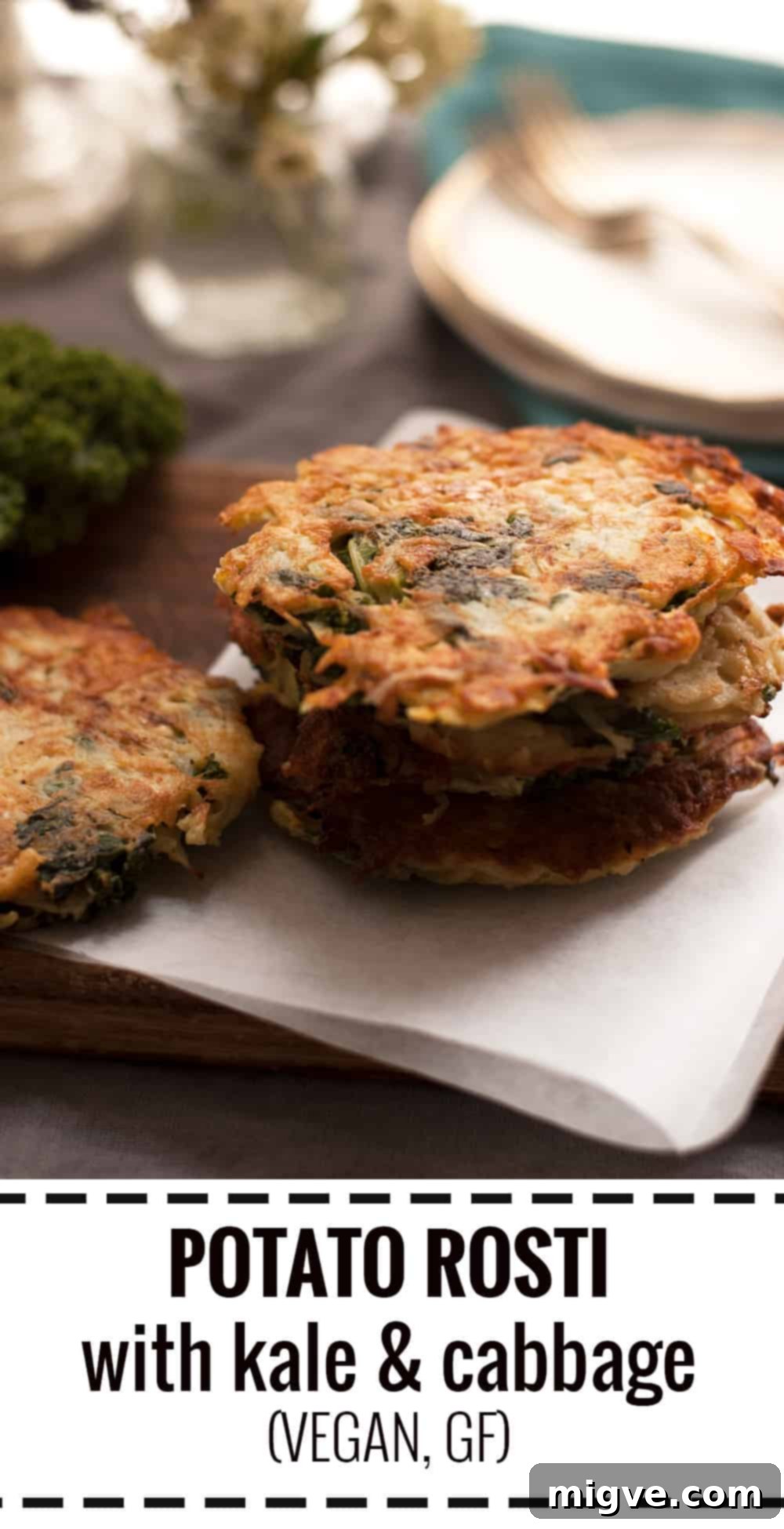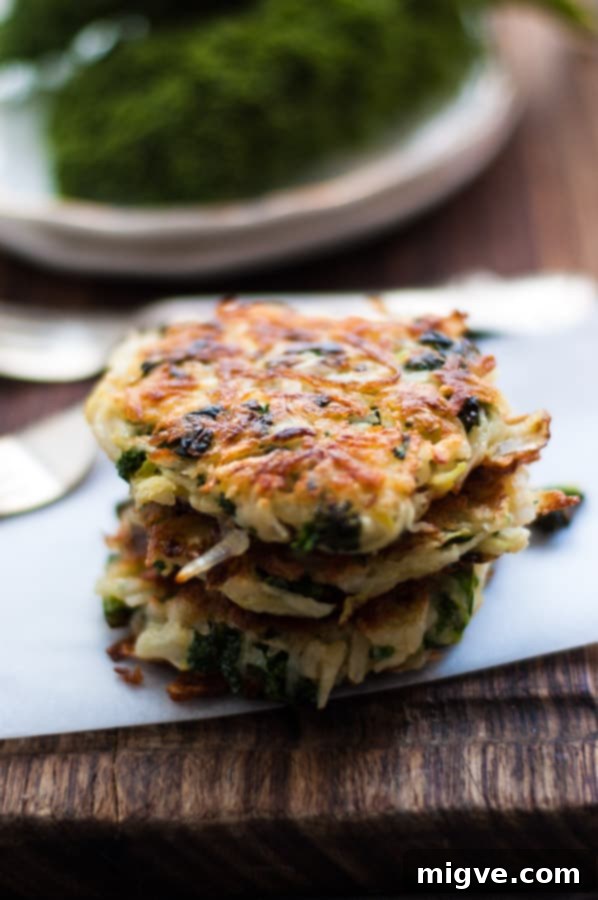
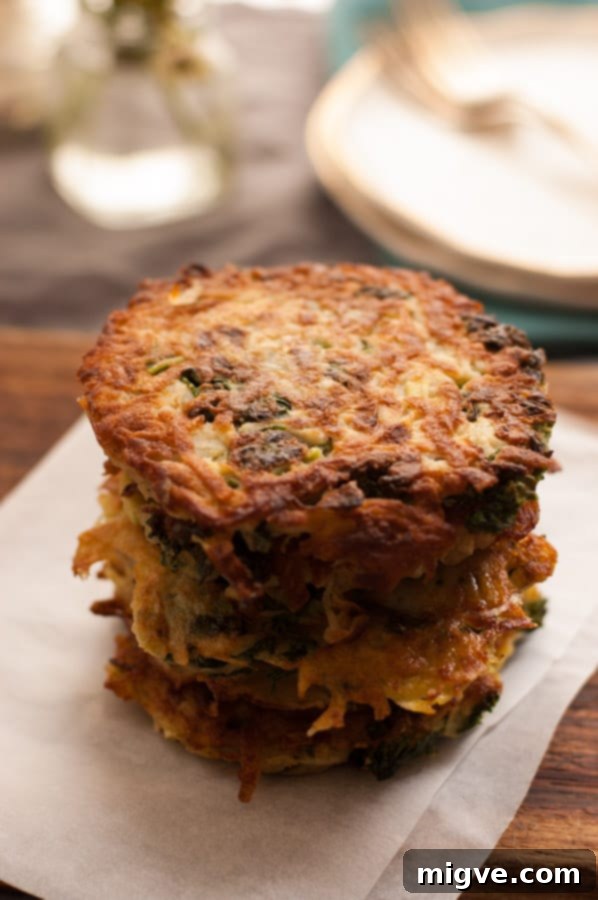
As the year draws to a close, December often heralds a season of indulgence, rich with chocolate and sugary delights. But before the festive sugar rush fully takes hold, let’s savor something wholesome, hearty, and utterly delicious. Today, we’re diving into the wonderful world of potato rosti with a vibrant twist: fresh kale and crisp white cabbage. You might even call it “potato rosti with whatever delightful veggies are waiting in your fridge,” a testament to its incredible versatility and a perfect way to minimize food waste.
Unveiling the Charm of Potato Rosti: A Global Comfort Food
Potato rosti holds a special place in my culinary heart. This traditional Swiss dish, originating from the Canton of Bern, is essentially a glorious potato fritter, celebrated for its irresistibly crispy exterior and tender, savory interior. While it began as a simple breakfast for farmers in Switzerland, its fame has spread far beyond its Alpine origins, captivating palates worldwide. You’ll find it known by many names and prepared with countless regional variations, each reflecting local ingredients and culinary traditions. But one truth remains universal: a well-made rosti is always incredibly satisfying.
The beauty of rosti lies in its simplicity. Typically, it features grated potatoes, sometimes parboiled, sometimes raw, fried until golden brown and crispy. Over time, creative cooks have introduced a myriad of additions, from herbs and spices to various vegetables, cheeses, and even meats, transforming it from a humble side dish into a substantial meal. Whether served plain or adorned, the fundamental appeal of rosti – its comforting warmth and delightful texture – remains undiminished. It’s a dish that evokes a sense of home and culinary heritage, yet is effortlessly adaptable to modern tastes and dietary preferences, making it a perfect addition to any meal plan.
From Childhood Staple to Versatile Leftover Hero
Growing up, potato rosti was a cherished family meal, gracing our dinner table at least once a week. It was often served with a generous dollop of soured cream, adding a tangy contrast to the rich potato flavor – and yes, you read that right, it’s a fantastic pairing! Beyond its classic preparation, rosti truly shines as a canvas for culinary creativity, making it an absolute champion for using up ingredients that might otherwise go to waste.
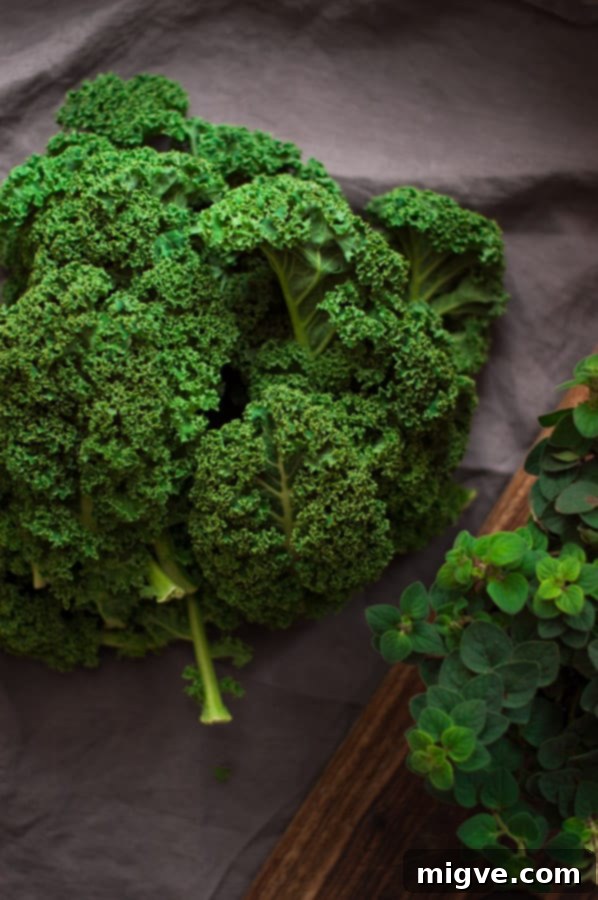
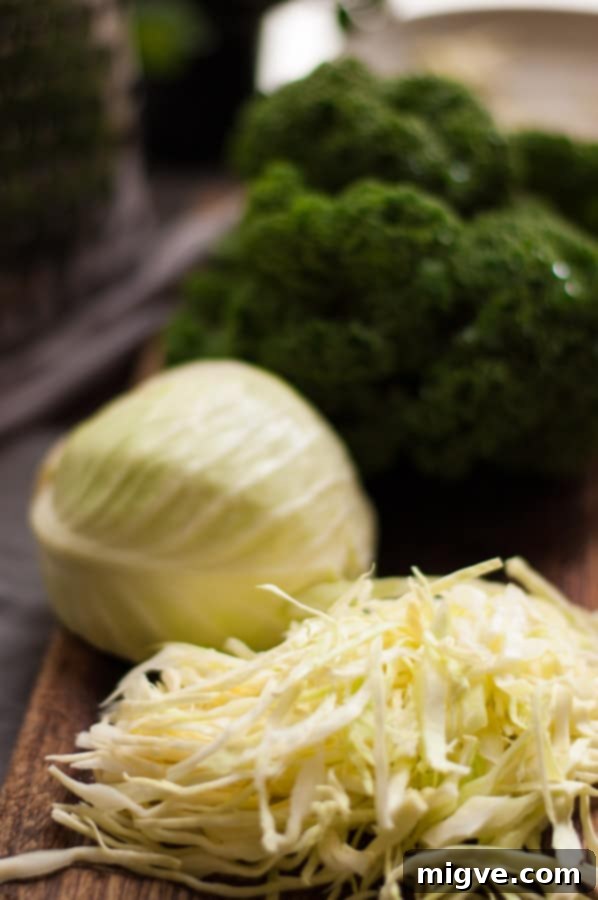
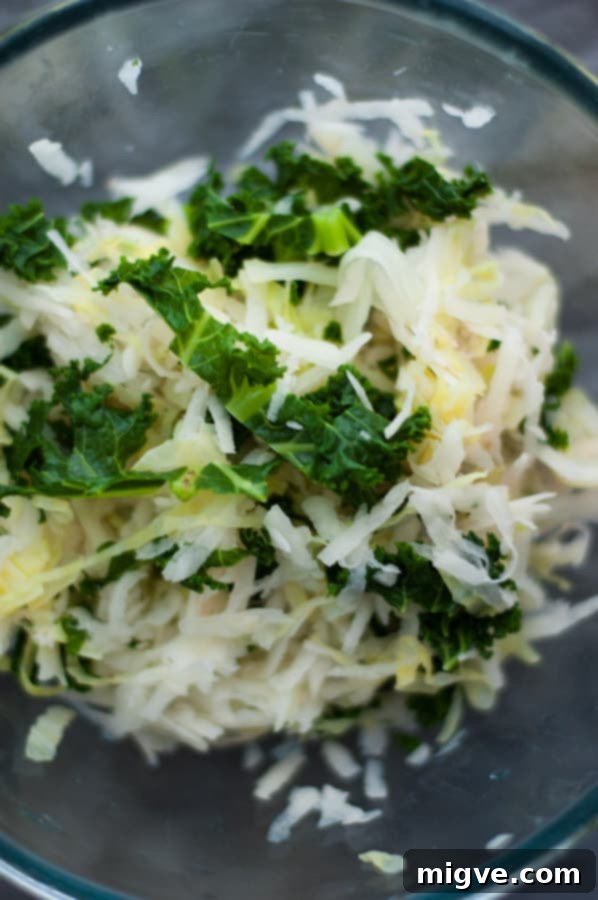
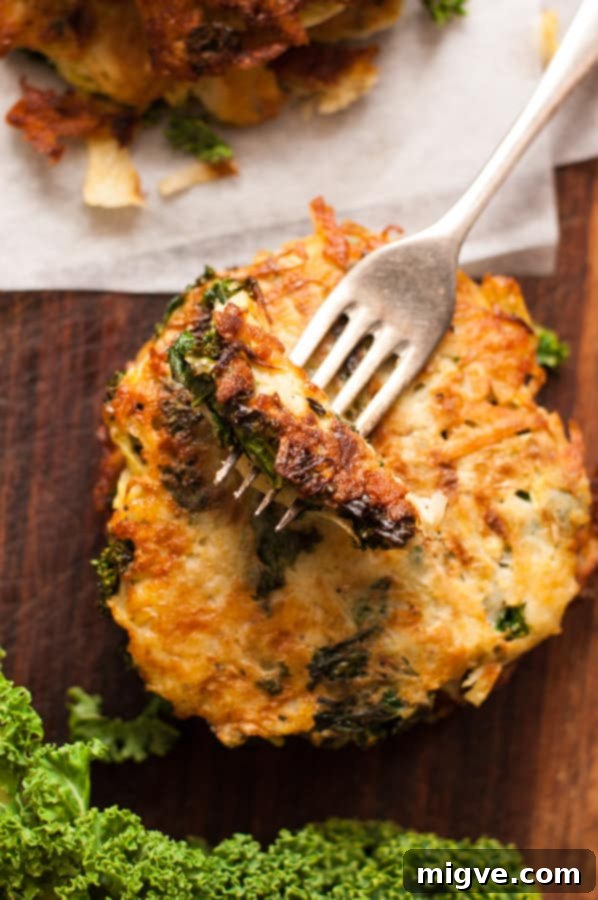
Imagine those forgotten carrots, a broccoli head nearing its last days, or perhaps some wilting spinach. Instead of discarding them, they can be grated, chopped, and folded into your rosti mix, finding a perfect, delicious purpose. This recipe highlights the use of white cabbage and kale, two highly nutritious vegetables that transform the classic potato rosti into a vibrant, nutrient-dense dish. Kale, a superfood in its own right, is an exceptional source of vitamins K, A, and C, as well as manganese and various antioxidants. I often incorporate it into my smoothies and salads for a quick nutritional boost, and its slightly bitter, earthy notes complement the sweetness of potato beautifully. For more insights into the incredible health benefits of kale, you can explore this detailed article here. White cabbage adds another layer of texture, providing a satisfying crunch, and is equally packed with vital nutrients, including vitamin C and fiber, crucial for overall well-being. These ingredients not only elevate the flavor profile but also significantly enhance the nutritional value of this comforting dish, turning a simple potato fritter into a wholesome, balanced meal.
The Humble Potato: A Culinary Foundation
It might sound like an exaggeration, but I confess: I am a potato enthusiast, and the thought of a world without them is almost unimaginable. Perhaps it stems from my upbringing in Eastern Europe, where the potato is more than just a vegetable; it’s a cultural cornerstone, almost a culinary religion. Or maybe it’s simply because of its unparalleled versatility and inherent deliciousness, regardless of how it’s prepared.
Potatoes are a staple in cuisines across the globe, cherished for their ability to transform into an endless array of dishes. You can bake them until fluffy, boil them until tender, roast them to golden perfection, mash them into creamy clouds, fry them for crispiness, or grill them with a smoky char. The magic often lies in how you cut and prepare them, which fundamentally defines the dish. Take French fries, for instance. Everyone recognizes that cutting potatoes into thin sticks (or “batonnets”) is the key to creating those beloved golden strips. Similarly, for rosti, the distinctive grating of potatoes is what gives them their unique, desirable texture – that “oomph” that makes them so incredibly tasty and satisfyingly crisp. The grating process creates fine strands that, when fried, develop a magnificent golden crust while keeping the inside soft and flavorful, offering a delightful contrast in every bite.
Different potato varieties lend themselves better to different preparations. For rosti, starchy potatoes like Russets or Maris Piper are often preferred because their lower moisture content and higher starch levels help achieve that coveted crispy exterior. However, waxy potatoes can also be used, though they might yield a slightly denser rosti. Experimenting with different types of potatoes can subtly alter the flavor and texture of your rosti, allowing you to discover your perfect rendition. Regardless of the type, the potato’s ability to absorb flavors and provide a substantial base makes it an indispensable ingredient in a dish as flexible and appealing as rosti.
Mastering the Technique: Blanching and Frying for Perfect Rosti
When incorporating fresh vegetables like kale and cabbage into your rosti, a crucial step is blanching them beforehand. You might wonder, “Why blanch vegetables?” This quick culinary technique serves multiple purposes, primarily halting enzyme actions that can lead to loss of color, texture, and flavor over time. Blanching also effectively cleanses the surface of any lingering dirt or impurities and brightens the vibrant color of your greens, making them more appealing in the final dish. For most finely chopped or shredded vegetables destined for rosti, a brief blanch in boiling water – typically no longer than a minute – is all that’s needed. Immediately plunging them into ice water after blanching (known as shocking) stops the cooking process and locks in their freshness, ensuring your kale and cabbage retain their optimal crisp-tender texture and nutritional value. This step is key to preventing soggy rosti and ensuring every bite is perfectly textured.
Alternatively, if you have cooked or roasted vegetables on hand – perhaps leftover steamed broccoli, roasted carrots, or sautéed spinach – you can easily incorporate them directly into your rosti mixture, skipping the blanching step entirely. This is an ingenious and delicious way to prevent food waste and transform yesterday’s leftovers into a brand-new, exciting meal. It’s a win-win: you save food, and you save yourself from being hungry! Just make sure any pre-cooked vegetables are not overly wet; pat them dry if necessary to maintain the rosti’s desired crispness.
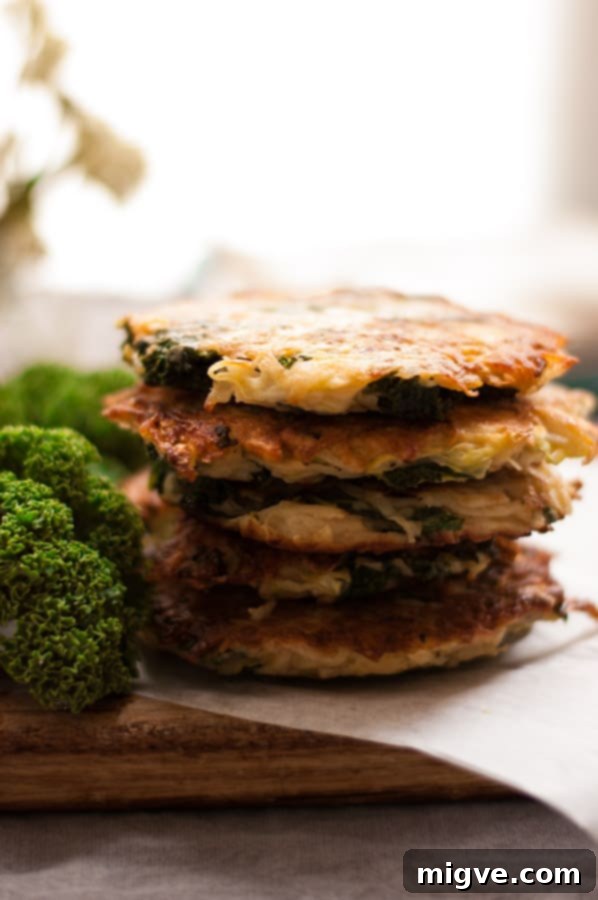
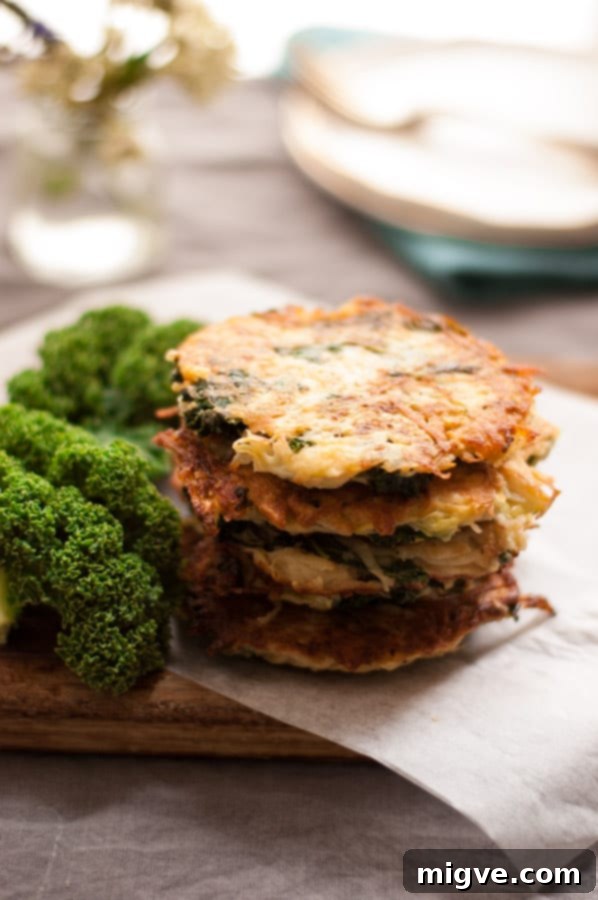
Beyond preparation, achieving the perfect rosti involves precise cooking. The key to that coveted golden-brown, crispy exterior is proper heat management and a good quality frying pan. Ensure both the pan and the oil are sufficiently hot before adding your rosti patties. This initial burst of heat helps to create that instant crust. However, once the rosti is in the pan, it’s essential to reduce the heat to a medium-low setting. Frying on a moderate heat prevents the rosti from burning on the outside while allowing the inside to cook through evenly and become tender. Patience is paramount; resist the urge to flip them too early. Let each side develop a deep golden color and a satisfying crispness, usually around 5-7 minutes per side, depending on thickness. A truly well-made rosti is a symphony of textures and flavors, and these careful steps ensure you achieve just that.
Serving Suggestions and Dietary Notes
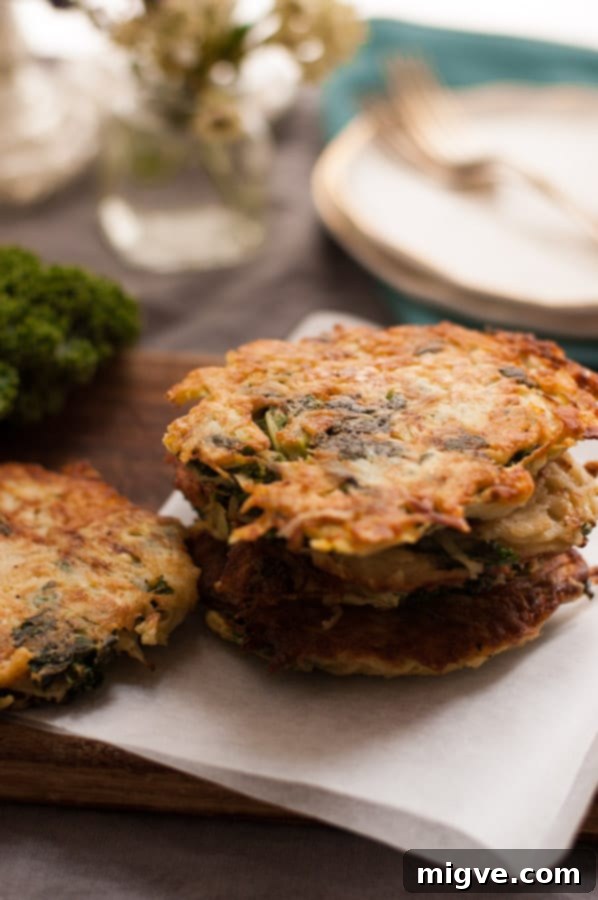
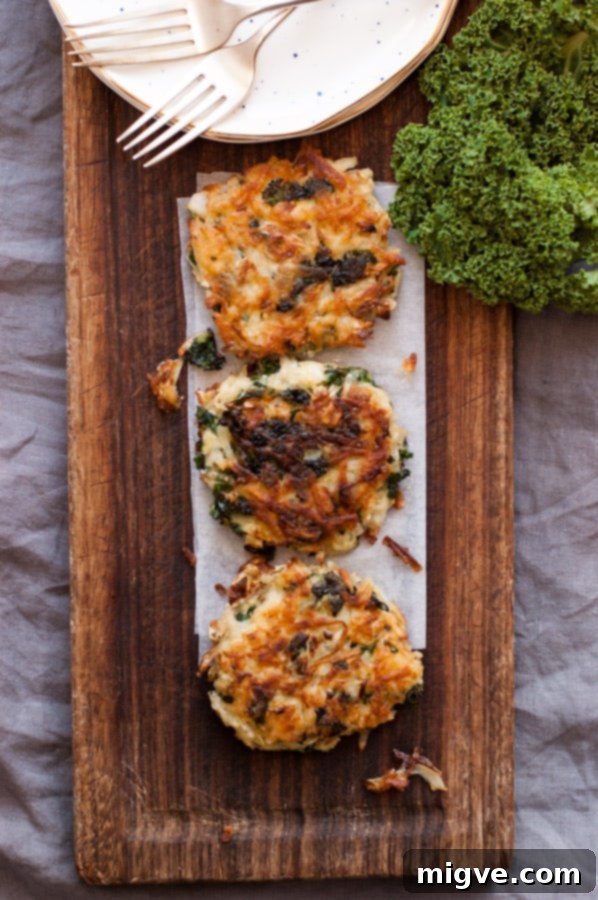
Once your delectable potato rosti with kale and cabbage are golden and crispy, the possibilities for serving are endless. While they are incredibly satisfying on their own, a simple accompaniment can elevate the experience. Consider serving them with a dollop of creamy sour cream or Greek yogurt for a refreshing contrast, or even a vegan sour cream alternative to keep the dish entirely plant-based. For those who enjoy a bit of heat, a drizzle of homemade spicy harissa or a sweet chili sauce would be an excellent choice to kick things up a notch, adding a layer of complex flavor that perfectly complements the rosti’s earthy notes.
Beyond sauces, rosti pairs wonderfully with various other ingredients, transforming it into a versatile dish for any meal of the day. A perfectly poached or fried egg on top makes for a delightful breakfast or brunch, offering a runny yolk that mingles with the crispy potatoes. For a more substantial main course, serve them alongside smoked salmon, grilled halloumi (or a vegan cheese alternative), or a fresh green salad with a light vinaigrette. Applesauce might sound unconventional to some, but it’s a traditional European pairing that offers a surprising and delicious sweet-savory balance, adding a comforting touch. Don’t be afraid to experiment and discover your favorite combinations; the adaptable nature of rosti invites culinary exploration!
This particular recipe is not only bursting with flavor but also caters to specific dietary needs. It is entirely vegan, making it an excellent plant-based option for anyone seeking delicious and satisfying meat-free meals. Furthermore, with no added flour or binding agents beyond the potato’s natural starches, it is naturally gluten-free, suitable for those with gluten sensitivities or preferences, ensuring everyone can enjoy its comforting taste. To add an extra layer of flavor and a subtle spicy kick, I personally love to include a pinch of Cajun pepper in my rosti mix, but this is entirely optional. Feel free to adjust the seasoning to your liking, perhaps adding a touch of garlic powder for an aromatic depth, smoked paprika for a hint of smokiness, or fresh herbs like chives or parsley for different aromatic profiles. The goal is a rosti that perfectly suits your palate.
I genuinely hope you find as much joy in preparing and savoring this Potato Rosti with Kale and White Cabbage as I do. It’s a recipe that combines comfort, nutrition, and versatility in one delicious package, proving that healthy eating can be incredibly flavorful and satisfying.
Tried one of my recipes? I would absolutely love to hear about your experience! Please leave a comment below and share your creations on social media by tagging your posts with #anna_banana_co. Your feedback and photos inspire me!
📖 Recipe

Print Recipe
Pin Recipe
Kale and Potato Rosti
Ingredients
- 6 medium potatoes I’ve used Maris Piper
- 1 medium onion
- 100 g kale chopped
- 200 g white cabbage finely shredded
- salt
- pepper
- cajun pepper
- vegetable oil for frying
Instructions
- Start by blanching kale and cabbage. Bring a medium saucepan of water to a boil and cook cabbage and kale for 30 seconds, then drain in a colander. Cool immediately under running cold water.
- Place the blanched kale and cabbage in a clean tea towel and squeeze out as much liquid as possible. Transfer to a medium bowl.
- Peel and grate the potatoes and onion. Place the grated potatoes and onion in a separate clean tea towel and squeeze out as much liquid as possible. This step is crucial for crispy rosti.
- Add the squeezed potatoes and onion to the bowl with the kale and cabbage. Season with salt, pepper, and Cajun pepper (if using) to taste. Mix thoroughly to combine all ingredients.
- Divide the mixture into 6-8 equal portions and shape them into flat patties with your hands, pressing firmly to ensure they hold together.
- Heat a large frying pan over medium-high heat with a generous amount of vegetable oil. Once the oil is hot, carefully place the rosti patties into the pan. Fry for about 5-7 minutes on each side, or until golden brown and crispy. Adjust heat to medium-low to prevent burning.
- Serve immediately and enjoy your delicious homemade rosti!
Please note that all my recipes are developed and tested in metric grams. I recommend that you use digital scales for more accurate results. I have provided a conversion to US customary in the recipe but please note that I haven’t tested using this method.
Nutrition
Tip: Make sure the pan and the oil are really hot before frying rosti to get a crispy exterior.
Tip: Fry on a medium-low heat to ensure the rosti cooks through evenly without burning the outside.
Inspired by Delicious Mag