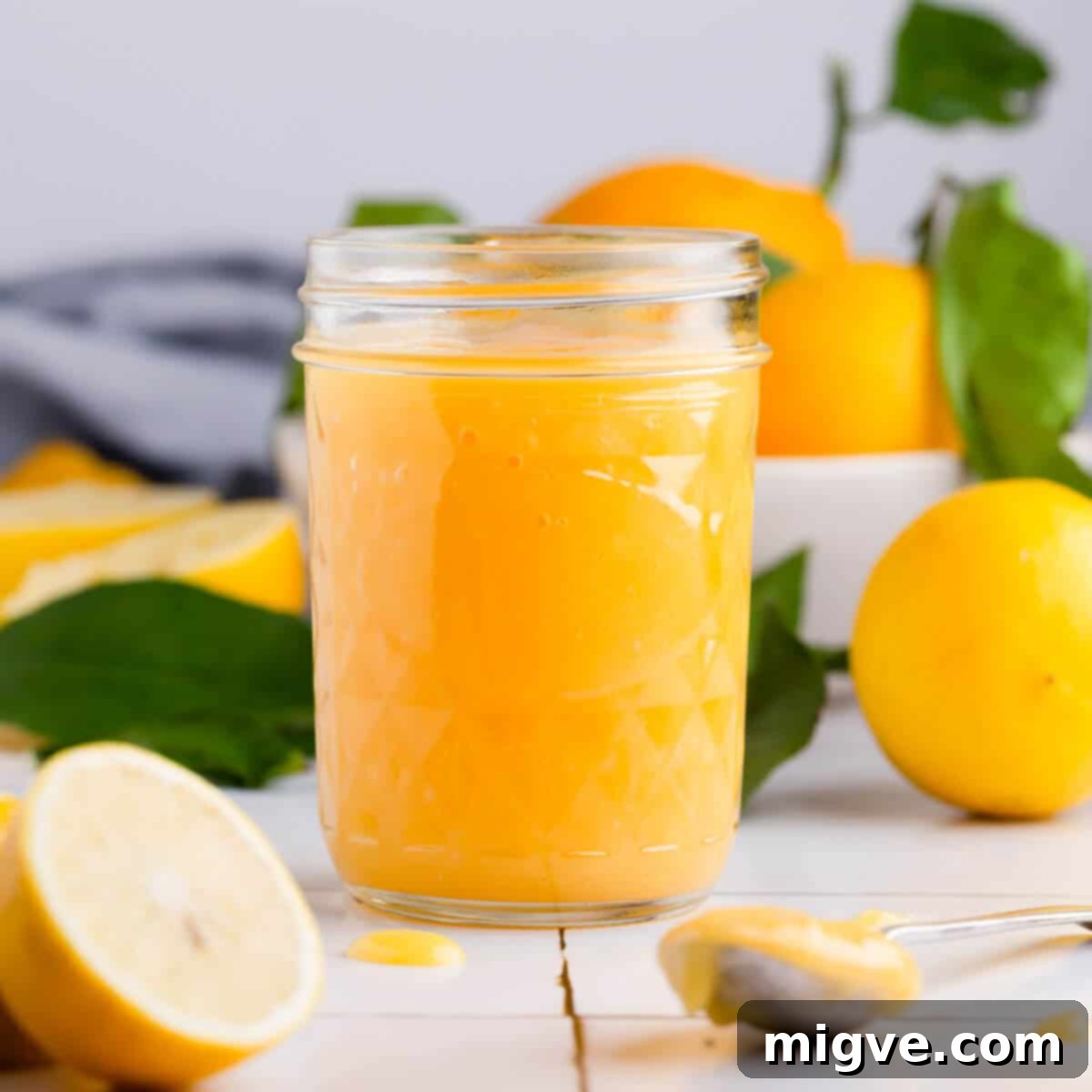
Unlock the secret to crafting your own exquisite homemade lemon curd! This culinary delight is a luscious, velvety-smooth, and perfectly balanced sweet-tart condiment that promises to invigorate your palate with its vibrant, fresh, and zesty lemon flavor. While lemon is undeniably the star, this versatile recipe can be adapted to showcase a spectrum of different fruits, allowing for endless creative possibilities. Imagine drizzling this golden sunshine over your fluffy pancakes, warm waffles, or tender scones. It also serves as an irresistible filling for elegant tarts, delicate cakes, and delightful cupcakes, elevating any dessert to a new level of gourmet sophistication. Preparing lemon curd at home isn’t just easy; it’s a rewarding experience that yields a product far superior to any store-bought alternative, bursting with a brightness and depth of flavor that only fresh ingredients and a homemade touch can provide. Get ready to transform your kitchen into a haven of aromatic citrus bliss!
What Makes Homemade Lemon Curd Truly Exceptional?
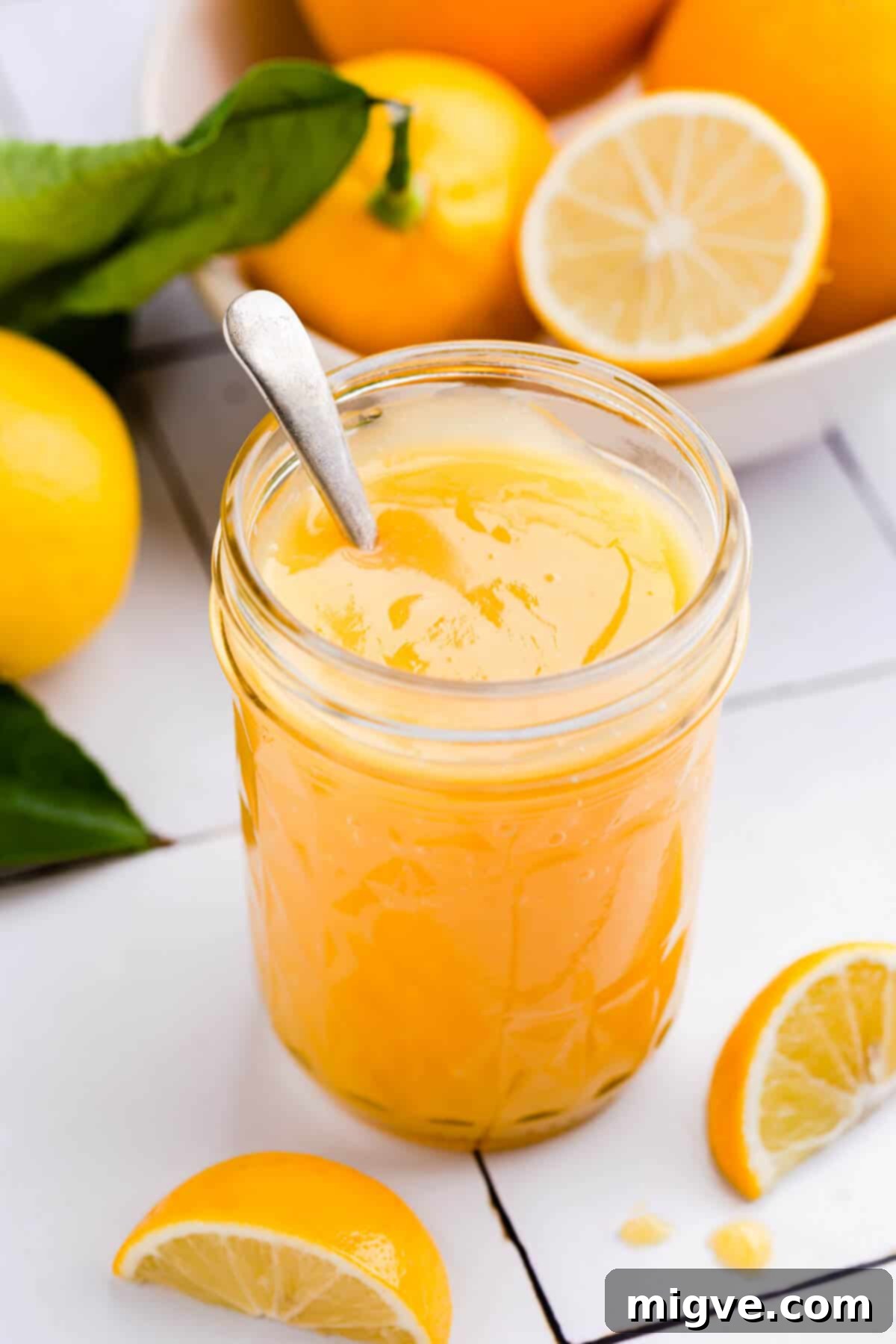
If you’ve ever had the pleasure of tasting fruit curds, you’ll undoubtedly agree on their incredible deliciousness and remarkable versatility. Among them, homemade lemon curd stands out as arguably the most beloved, and for excellent reasons. Its allure lies in a symphony of textures and flavors that are simply irresistible. The moment it touches your tongue, you’re greeted by a silky-smooth, almost custardy texture that melts in your mouth. This luxurious creaminess is perfectly complemented by its complex taste profile: a sharp, invigorating tang from fresh lemons, beautifully balanced by a comforting sweetness. The vibrant, super fragrant aroma of citrus also plays a significant role, making homemade lemon curd a sensory delight that can genuinely brighten any meal, breakfast, or baked creation. It’s precisely this harmonious sweet-and-sour combination that makes it so utterly addictive, leaving you craving just one more spoonful.
For those new to the world of lemon curd, envision it as a rich, intensely flavored spread or a decadent dessert topping, far more profound than jam or marmalade. It offers a more concentrated fruit essence, a richer mouthfeel due to its butter and egg content, and a bright, acidic kick that cleanses the palate. If you appreciate the invigorating taste of lemons, we guarantee that this easy lemon curd recipe will swiftly become a cherished staple in your culinary repertoire. It’s not just a condiment; it’s an experience, transforming ordinary dishes into extraordinary treats. The vibrant color and fresh aroma alone are enough to make it a standout addition to any table, proving that sometimes, the simplest ingredients can create the most profound flavors.
Expert Tips for Crafting Perfect Homemade Lemon Curd Every Time
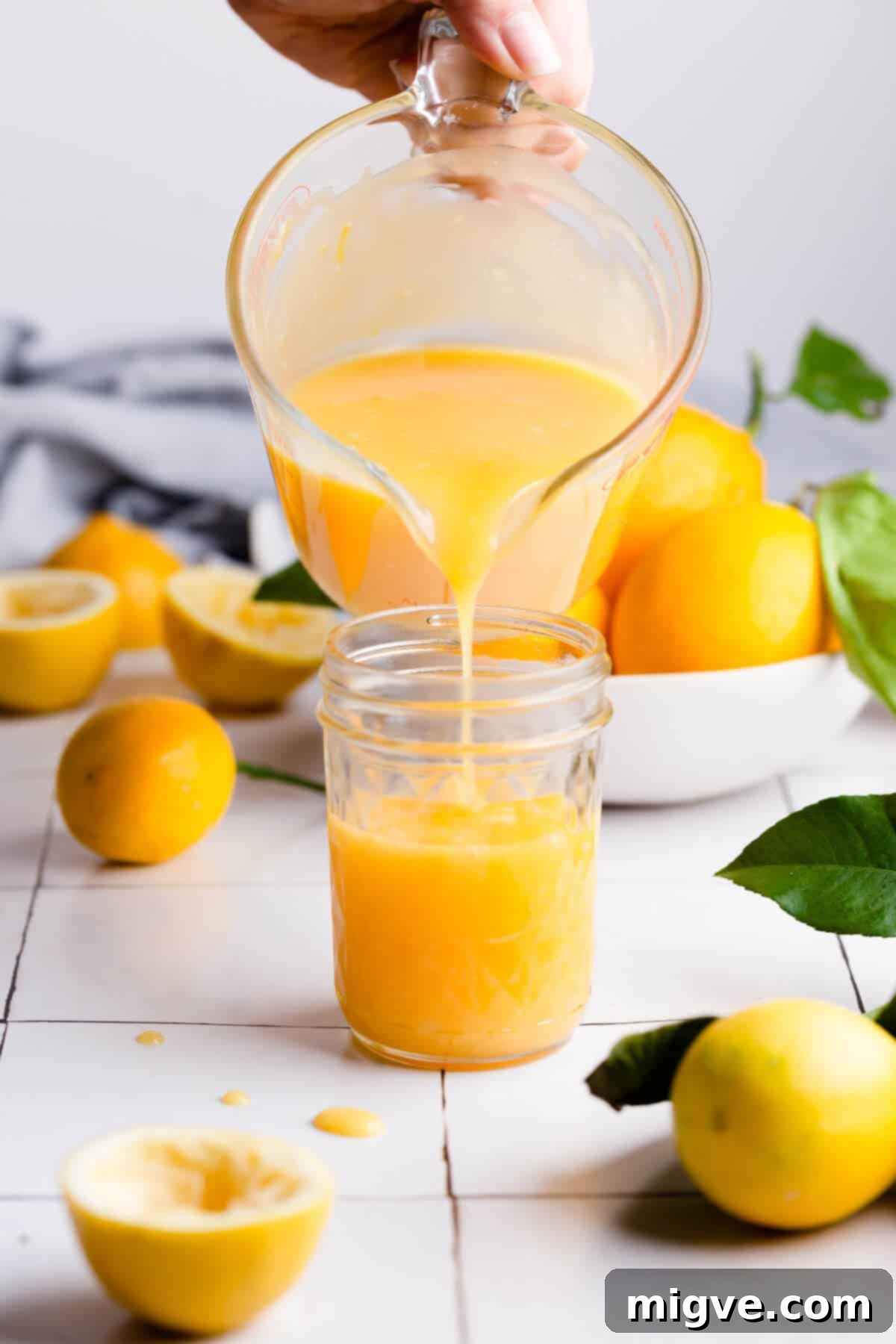
If you’ve never ventured into making your own homemade curd, prepare to be delightfully surprised by how straightforward and simple the process truly is. Unlike many recipes that demand a kitchen thermometer for precise temperature control, our method simplifies things significantly. We’ll achieve that perfect consistency by gently cooking all the ingredients in a heatproof bowl positioned over a saucepan of simmering water – essentially, a convenient homemade double boiler. This indirect heat method is key to a smooth, luscious curd, preventing the eggs from scrambling and ensuring an even cook.
To ensure your success in creating the most delicious, creamy lemon curd, here are a few invaluable tips to guide you:
- Choose the Right Cooking Utensils: Always use a large, heatproof bowl made of glass or ceramic for cooking your curd ingredients. Avoid metal bowls, as the acidity of the lemon juice can react with the metal, imparting an undesirable metallic aftertaste to your delicate curd. Similarly, opt for a silicone whisk and spatula over metal ones for the same reason. These non-reactive tools ensure the pure, bright flavor of your lemon curd shines through.
- Master the Double Boiler Technique: This is a crucial step! When setting up your homemade double boiler, ensure that the bottom of your heatproof bowl *does not* touch the simmering water in the saucepan below. There should be a distinct gap between the water and the bowl. Cooking curd on direct heat can cause the eggs to curdle and cook too quickly, resulting in a lumpy texture. The gentle, indirect heat of a double boiler is essential for slowly and evenly cooking the curd to a perfectly smooth consistency.
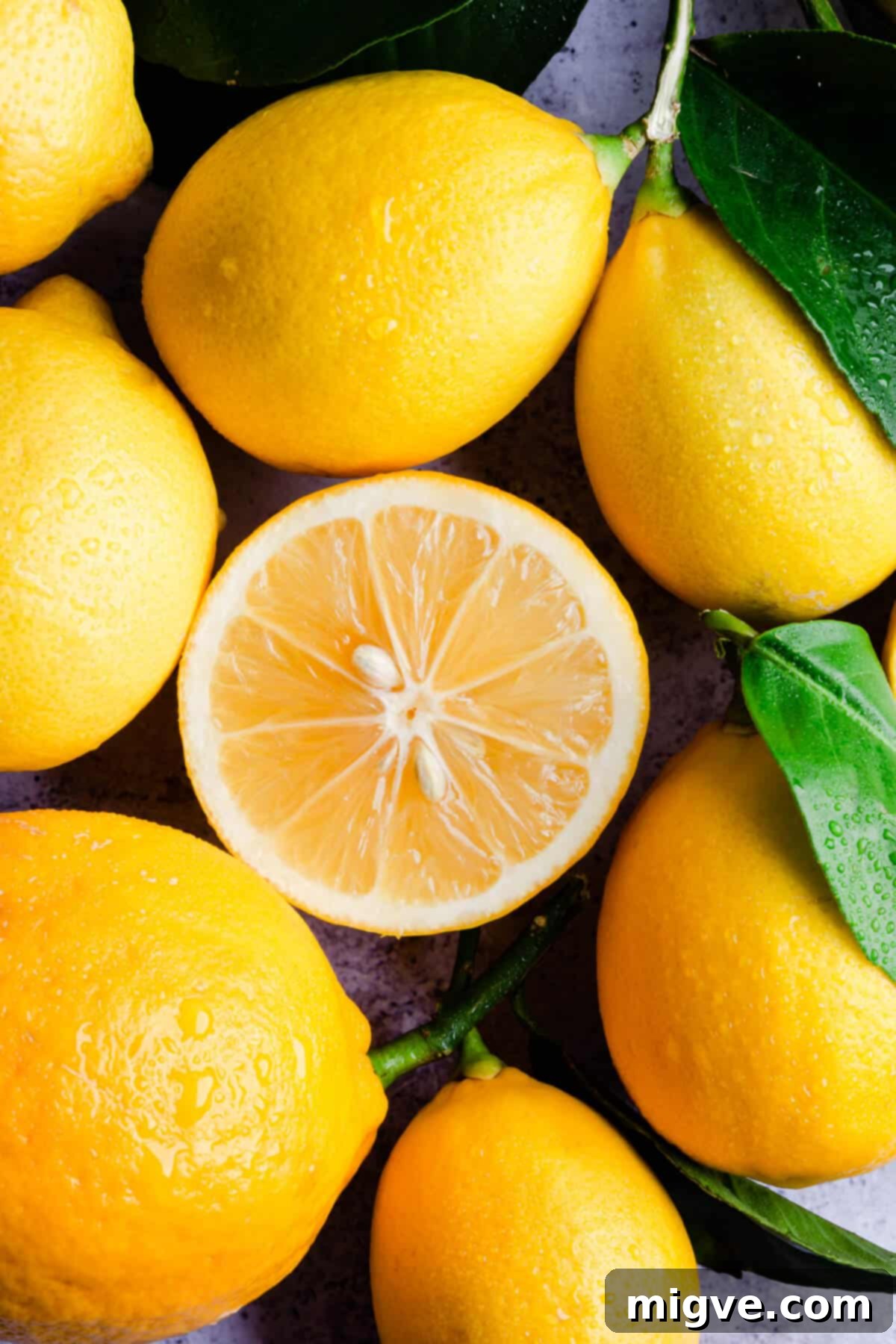
- Always Use Freshly Squeezed Lemon Juice: This single step makes an enormous difference to the flavor of your lemon curd. While bottled lemon juice might seem convenient, its flavor is incomparable to the vibrant, aromatic zest and juice of fresh lemons. It only takes a few moments to extract the juice. You don’t even need a fancy juicer! Simply roll a whole lemon firmly on your work surface to break down its internal membranes, then slice it in half crosswise. Place a fine-mesh strainer over a small bowl or jug to catch any seeds or pulp. Then, holding a lemon half over the strainer, insert a fork into the fruit and gently twist and squeeze to extract every last drop of precious juice. Don’t forget to zest your lemons before juicing them, as zest contains a wealth of essential oils that amplify the lemon flavor and aroma.
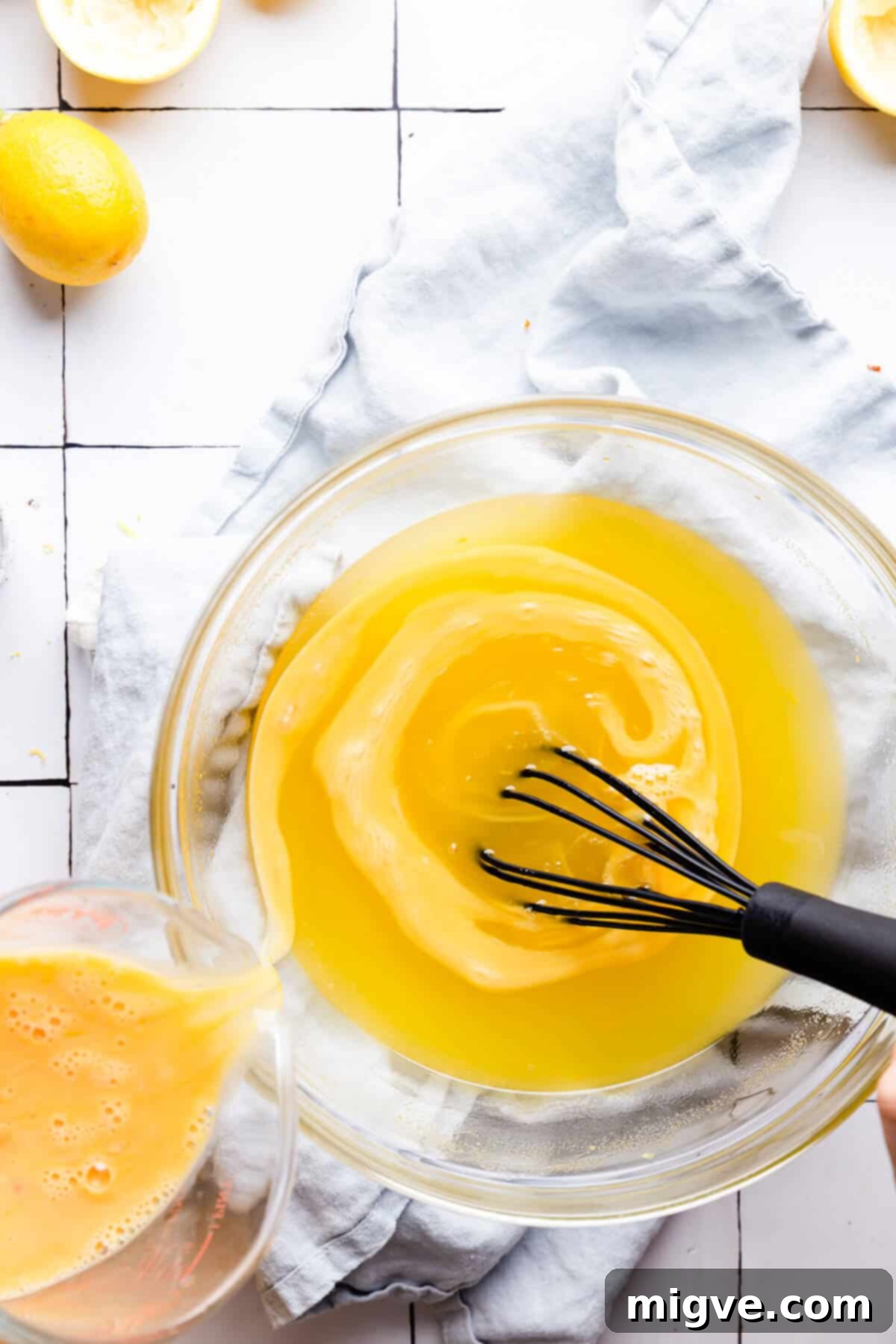
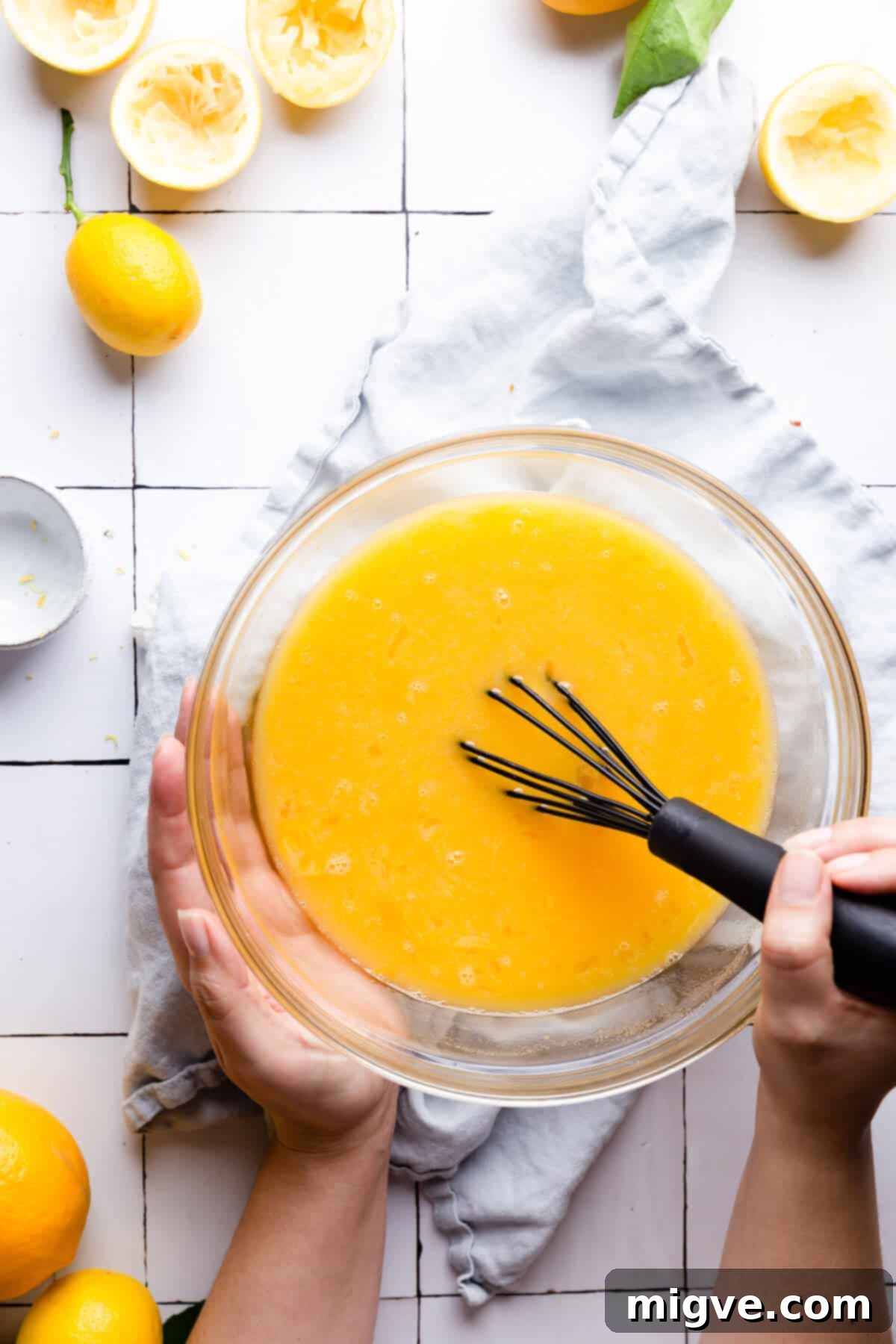
4. Continuous Whisking is Your Best Friend: Once you’ve incorporated the whisked eggs into your lemon mixture, it’s absolutely essential to whisk continuously. This constant motion prevents the egg proteins from coagulating too quickly and forming lumps or curdling. Keep that whisk moving, ensuring the mixture heats evenly and develops a perfectly smooth, creamy texture without any unsightly bits of cooked egg. Patience and persistence with the whisk will be rewarded with a flawlessly smooth curd.
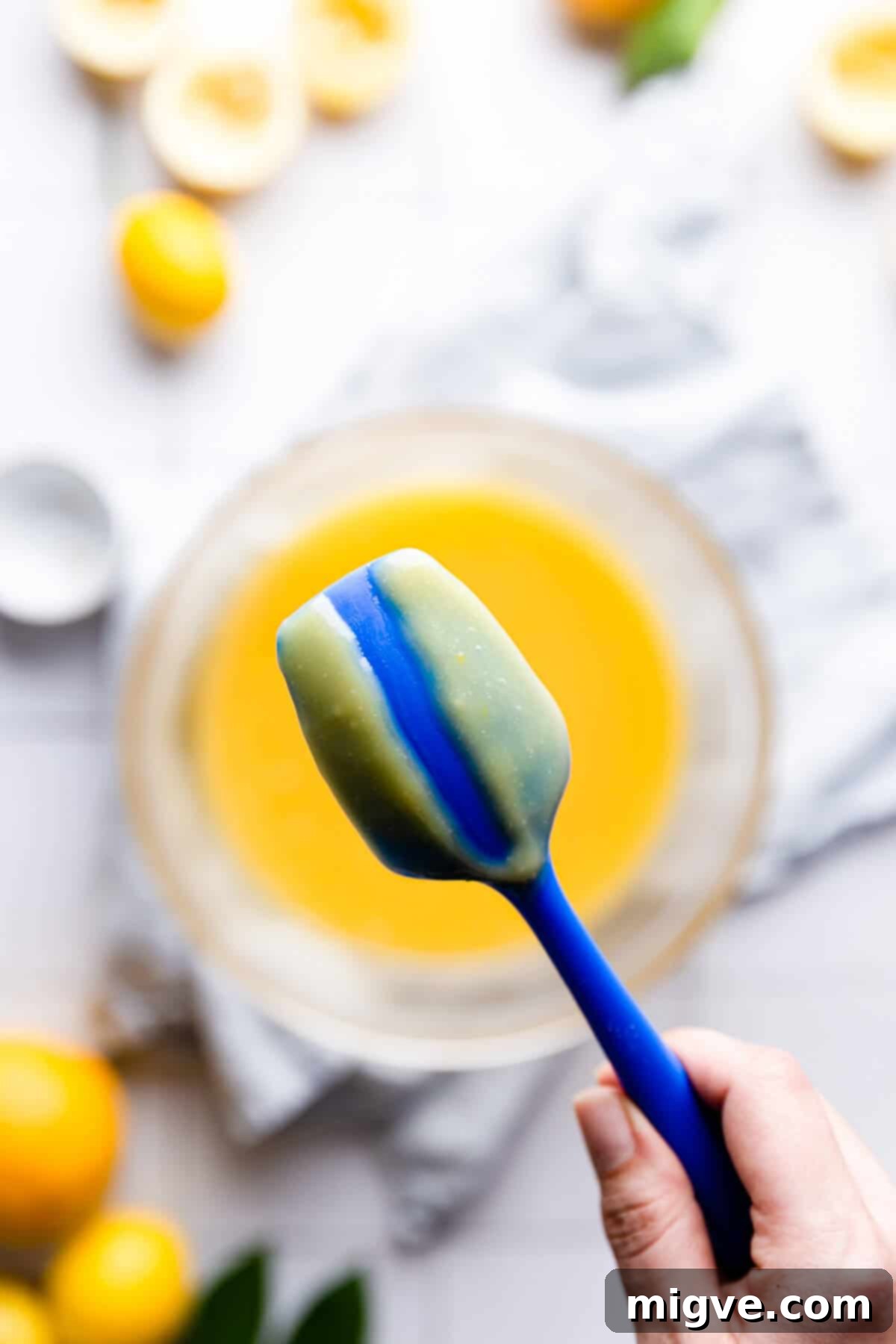
5. The “Spoon Test” for Perfect Consistency: You don’t need a thermometer to know when your lemon curd is ready. The classic “spoon test” is remarkably reliable. Dip the back of a wooden spoon or a heatproof spatula into the curd mixture. Lift it out, and if the curd clings to the back of the utensil, you’re on the right track. To confirm, draw your finger across the coated back of the spoon. If the line you create holds, meaning the curd doesn’t immediately run back into the trail, your curd is done! Remember, lemon curd will continue to thicken significantly as it cools, so don’t be alarmed if it still appears a little runny in the bowl. It will achieve its ideal thick, spreadable consistency as it chills.
Exploring Other Fruit and Citrus Variations for Your Curd
While lemon curd holds a special place in our hearts, the world of fruit curds is vast and inviting, offering a delightful array of flavors. Citrus fruits, in particular, are exceptional choices for curds because their natural acidity provides a perfect counterpoint to the sweetness, creating that irresistible tangy balance we all adore. This balance is key to preventing the curd from becoming cloyingly sweet and ensures a refreshing finish.
If you’re eager to branch out and experiment with new flavors, most citrus fruits will adapt beautifully to this recipe. Consider the bright notes of oranges, the striking color and subtly different tang of blood oranges, the delicate sweetness of tangerines, or the vibrant zest of limes for perfect variations. Each offers a unique aroma and taste profile that will transform your curd. Beyond the familiar, you can also explore more exotic or less common fruits for truly distinctive results. Yuzu, a Japanese citrus, will impart a complex, floral, and highly aromatic flavor, while bergamots offer a unique, slightly spicy citrus note. For a vibrant, tropical twist, passion fruit curd is a sensational option, delivering an intense, sweet-tart punch. And don’t forget the festive tartness of cranberries, which can be cooked down into a puree before being incorporated into your curd mixture. The possibilities are truly endless, allowing you to tailor your homemade curd to seasonal availability or personal preference.
For more inspiration and a deeper dive into adapting curd recipes for various fruits, this insightful article from Epicurious details several delicious variants you might be eager to try. Remember that when experimenting with different fruits, you may need to adjust the sugar content slightly depending on the fruit’s natural sweetness and acidity. For fruits that are less acidic than lemons, a touch more lemon juice or a slight reduction in sugar can help maintain that essential sweet-tart balance.
Creative Ways to Enjoy Your Delicious Homemade Curd
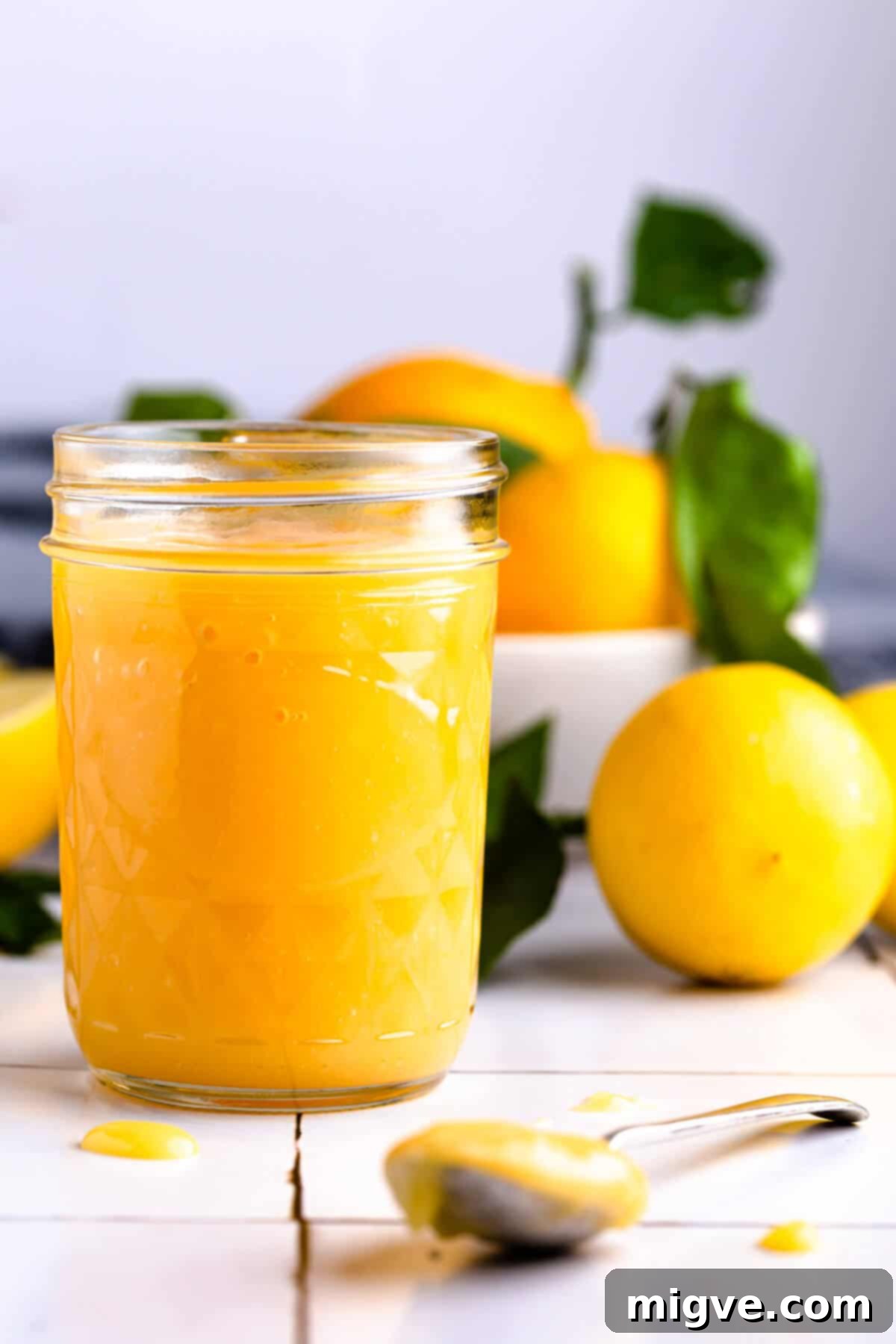
The beauty of homemade fruit curd lies not only in its delightful flavor but also in its incredible versatility. There are countless ways to incorporate this wonderful condiment into your culinary creations, transforming everyday dishes into something extraordinary. Here are a few inspiring suggestions to get you started, but don’t be afraid to experiment and discover your own favorite uses:
- Breakfast Bliss: Elevate your morning routine by generously spooning curd as a luxurious topping on fluffy pancakes, delicate crepes, or crispy waffles. It adds a bright, zesty counterpoint to their sweetness.
- Exquisite Baking Fills: Lemon curd is an unparalleled filling for a wide array of baked goods. Use it to fill individual mini-tarts or a grand lemon meringue pie, layer it between sponge cakes, or pipe it into the center of cupcakes for a burst of flavor. Its rich texture and vibrant taste make it a perfect complement to many desserts.
- Meringue Masterpiece: Create an elegant dessert by pairing your curd with light and airy meringues. It’s a classic topping for a grand pavlova, balancing the crisp shell and soft interior with its tangy creaminess.
- Cookie & Biscuit Enhancer: Spread a thin layer of curd between two shortbread cookies or tea biscuits for a sophisticated sandwich cookie. It adds a delicious zestiness that will impress.
- Dairy Delights: Stir a spoonful (or two!) of lemon curd into plain yogurt or Greek yogurt for a quick, flavorful breakfast or snack. Incorporate it into homemade cheesecake mixtures or swirl it through softened vanilla ice cream for a vibrant, refreshing dessert that’s bursting with citrus notes.
- Sauce for Fresh Fruit: Drizzle warm or chilled lemon curd over a bowl of fresh berries, sliced peaches, or mixed fruit salad for a simple yet elegant dessert.
- Scones and Afternoon Tea: A quintessential accompaniment for scones, especially when served with clotted cream for a truly British afternoon tea experience.
- Cocktail Component: A small amount can even be used to add a bright, tangy kick to certain cocktails or mocktails, though use sparingly.
Quick Troubleshooting for Common Lemon Curd Problems
Even with the simplest recipes, sometimes things don’t go exactly as planned. Don’t fret if your homemade lemon curd encounters a snag! Here are solutions to the most common problems you might face, ensuring you achieve perfect results every time:
My Curd is Too Runny: This is arguably the most common issue, but it’s easily remedied. If your curd appears too thin, it simply needs more time on the heat. I’ve made countless batches of homemade curd, and cooking times can vary significantly – some may be ready in as little as 10 minutes, while others require almost double that, depending on your stove, bowl, and even the exact size of your eggs. The key is continuous, gentle heating and whisking. Continue cooking and whisking over the double boiler until it coats the back of a spoon and holds a clear trail when you run your finger across it. If, after extended cooking, it still refuses to thicken, you can try adding a little more fat or egg yolk. Start by whisking in an additional 20-30g of unsalted butter (cubed, to help it melt evenly) or one extra egg yolk into the warm mixture and continue cooking. Both butter and egg yolks are emulsifiers and thickeners that can help achieve the desired consistency.
My Curd is Too Thick: It’s important to remember that lemon curd thickens considerably as it cools in the refrigerator. What seems slightly runny on the stovetop will firm up beautifully. However, if your chilled curd has become too thick or solid for your liking, don’t worry. You can easily adjust its consistency by whisking in more freshly squeezed lemon juice. Start by adding a very small amount, perhaps ½ to 1 teaspoon at a time, whisking it in thoroughly until you reach your desired pourable or spreadable texture. This addition also brightens the flavor if it’s become too rich.
Split or Lumpy Curd: A lumpy or “split” curd, characterized by small bits of cooked egg white, usually indicates that the eggs cooked too quickly or unevenly. This can happen for a few reasons: cooking over too high a heat, cooking for too long, or not stirring continuously enough, especially after adding the eggs. If you find your curd has developed lumps, the easiest and most effective fix is to simply blitz it in a blender or use an immersion (stick) blender until it becomes perfectly smooth and homogeneous. Alternatively, you can strain your still-warm curd through a fine-mesh sieve into a clean bowl. This will catch any small lumps or pieces of zest, leaving you with a wonderfully silky-smooth finish. Don’t discard the lumps, as they are still edible, but removing them ensures the luxurious texture you desire.
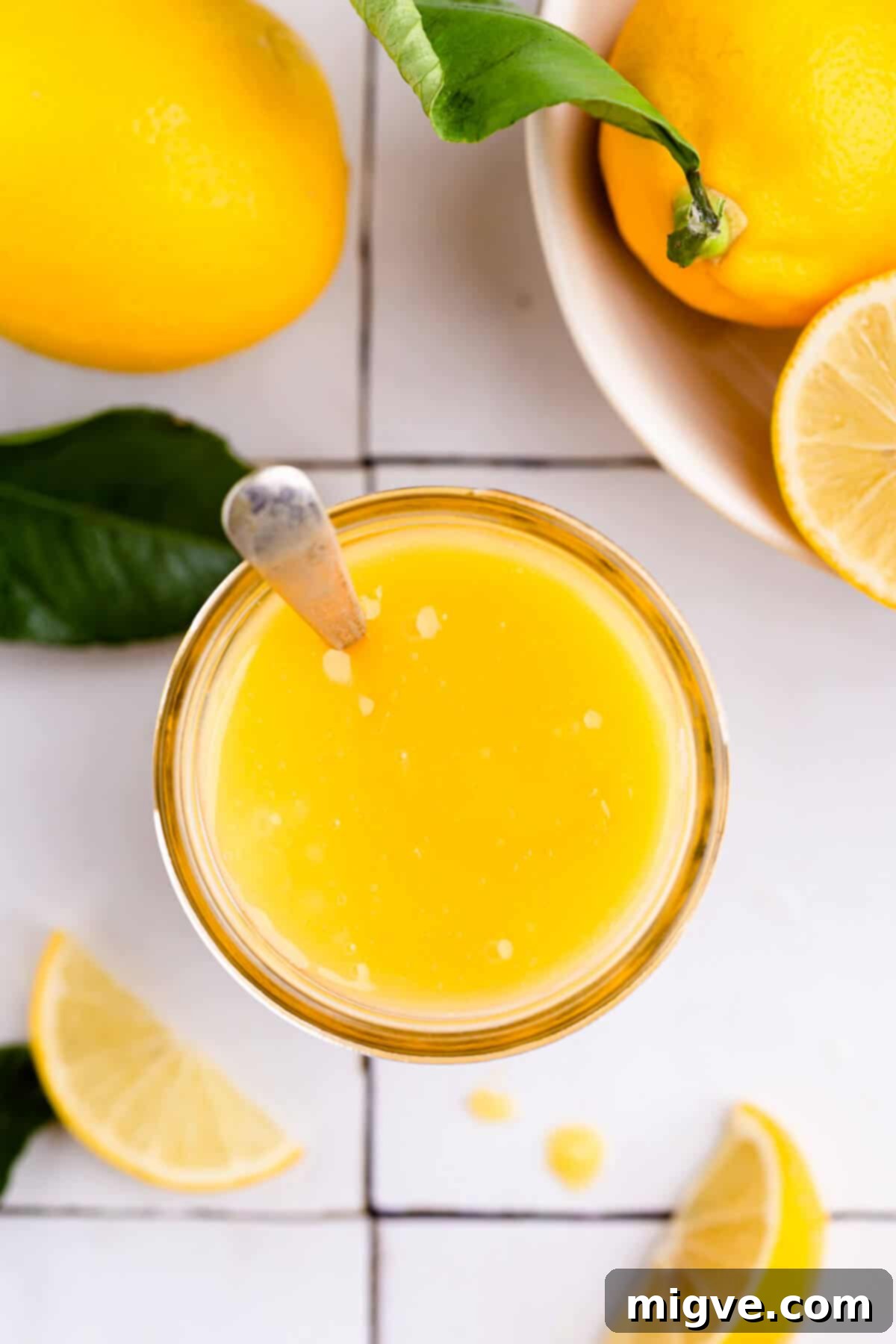
Proper Storage for Your Homemade Fruit Curd
Once you’ve poured your luscious homemade lemon curd, ensuring its freshness and longevity is key. Proper storage methods will allow you to enjoy your delicious creation for weeks or even months.
Refrigeration:
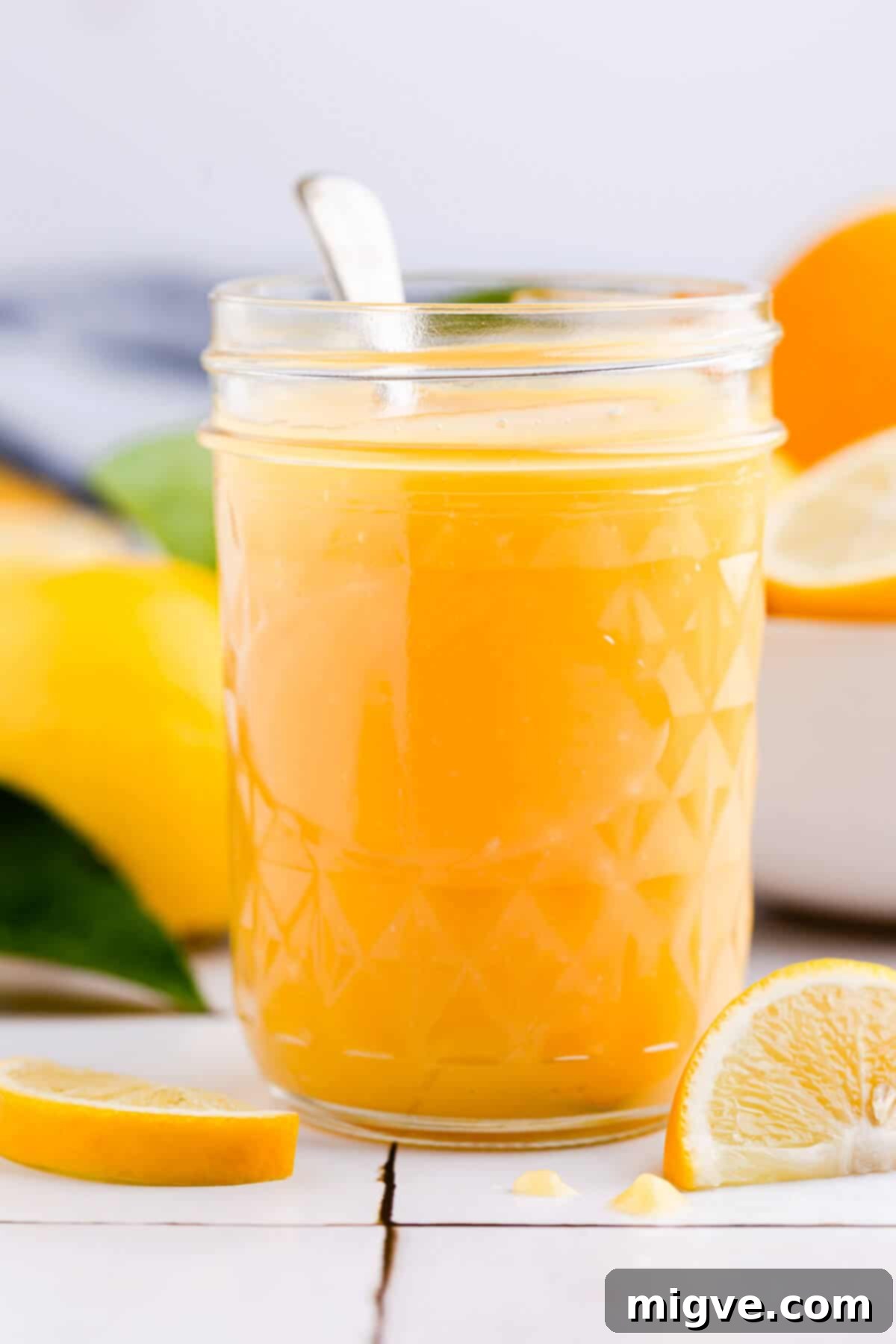
After your curd has finished cooking and cooled completely, it should be transferred into sterilized glass jars with airtight seals. Sterilizing jars is a simple process: wash them thoroughly in warm, soapy water, rinse well, then place them in an oven preheated to 160°C (325°F) for about 10 minutes. Allow them to cool slightly before filling. Always store your fruit curd in the refrigerator. Unopened, properly sealed jars will last for up to 6 months. Once a jar has been opened, use the curd within a couple of weeks to ensure optimal freshness and safety. Always use a clean spoon when scooping curd to prevent introducing bacteria.
Freezing:
Yes, you can freeze fruit curds! This is an excellent option for making larger batches or preserving seasonal fruit flavors. To freeze, allow the cooked curd to cool completely. Then, pour it into a freezer-friendly container with a tight-fitting lid, leaving a little headspace as the curd may expand slightly when frozen. Freeze for up to 6 months. When you’re ready to use it, simply thaw the frozen curd overnight in the refrigerator. After thawing, give it a good stir to restore its smooth consistency, as it might appear slightly separated. Freezing is a fantastic way to ensure you always have a delightful batch of homemade lemon curd on hand, ready to brighten any meal or dessert!
By following these storage guidelines, you can savor the bright, tangy flavor of your homemade lemon curd long after it’s made, making it a versatile staple in your kitchen.
📖 Recipe: Homemade Lemon Curd

Print Recipe
Pin Recipe
Rating: 5 out of 5 stars (based on 10 votes)
Homemade Lemon Curd
Sweet, tangy, and wonderfully creamy homemade lemon curd. Bursting with fresh and fragrant citrus flavors, this curd is perfect as a spread or topping for desserts. You can use lots of different fruits to make different variations!
Recipe Details
Prep Time: 10 mins
Cook Time: 20 mins
Course: Condiment
Cuisine: British
Keyword: curd, fruit curd, lemon curd
Servings: 500 ml
Calories: 310 kcal per 100g serving
Author: Anna Wierzbinska
Equipment
- medium saucepan
- large, glass heatproof bowl x 2
- sterilized jar/ jars
- whisk
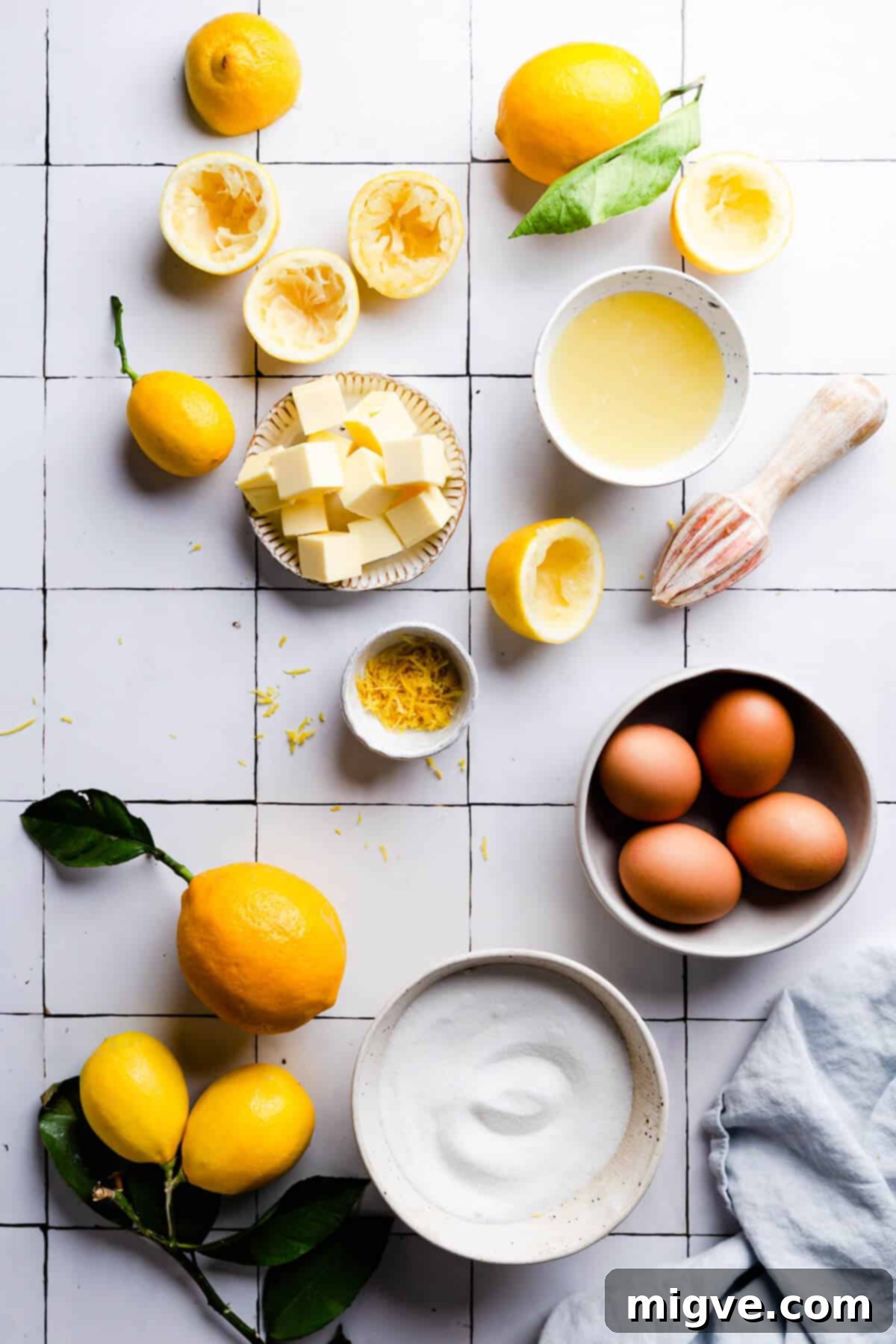
Ingredients
- 1 tablespoon lemon zest
- 180 ml fresh, strained lemon juice (about 4 medium lemons)
- 200 g caster sugar
- 120 g unsalted butter, cubed
- 3 large eggs plus 1 extra egg yolk
(Recipe measurements are developed and tested in metric grams. A conversion to US customary is provided for convenience, but results may vary.)
Instructions
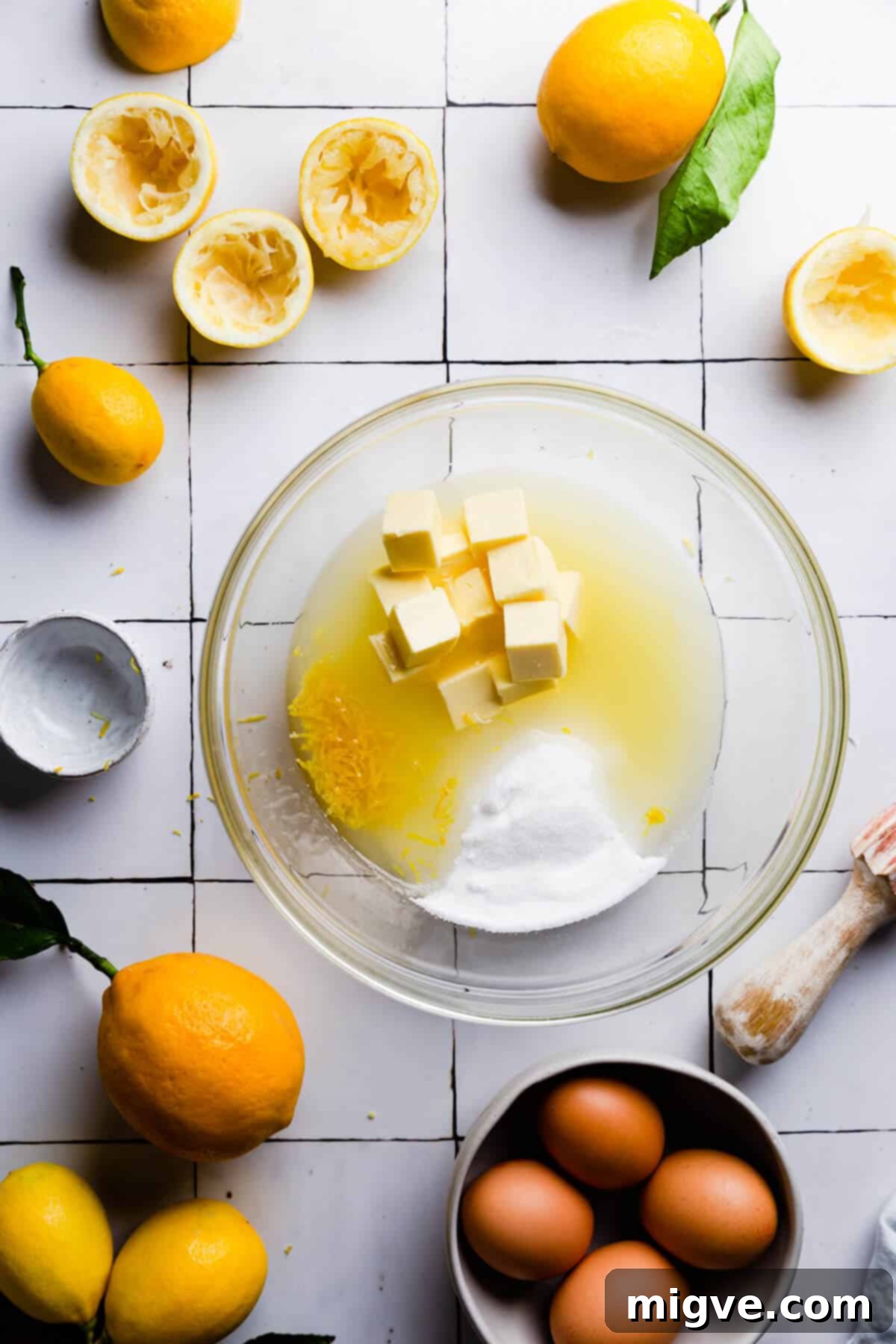
- Place lemon zest and strained lemon juice with caster sugar and cubed butter in a large, heatproof bowl over a saucepan with gently simmering water. Stir often until all of the butter has melted and the sugar has dissolved.
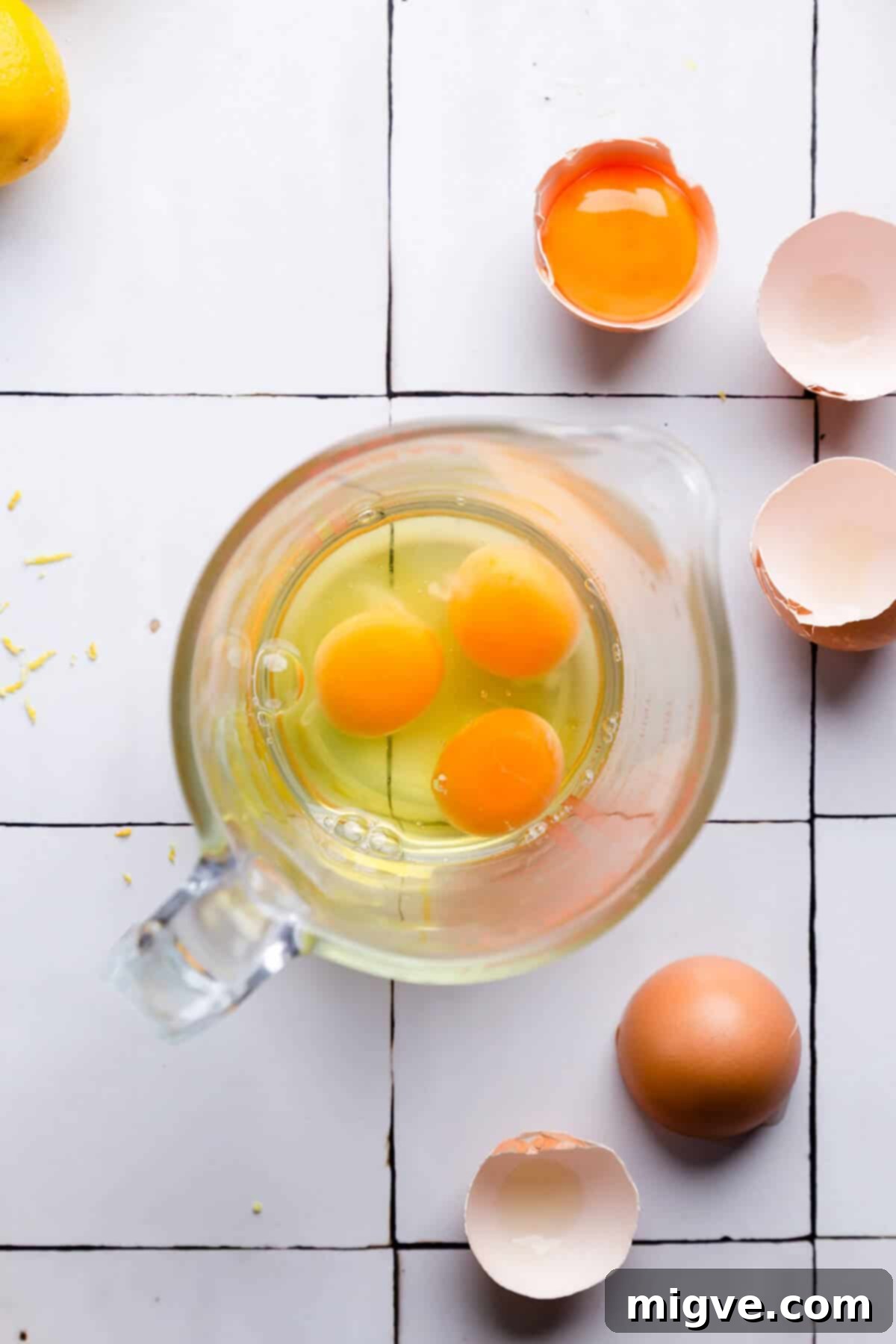
- Briefly whisk the eggs and an extra egg yolk in a jug, then slowly stream them into the lemon mixture in the heatproof bowl. Keep stirring continuously with a whisk until all the ingredients are well combined. Cook the mixture for approximately 10-20 minutes, stirring constantly, until it becomes thick and creamy. You’ll know the curd is done when it coats the back of your spoon (dipped in curd) and holds a clear trail when you run a finger across it. The curd will continue to thicken significantly as it cools, so don’t be overly concerned if it seems slightly runny on the stovetop.
- Carefully remove the curd from the heat and immediately strain it through a fine-mesh sieve over a large, clean bowl. This step ensures an extra silky-smooth texture, removing any bits of zest or cooked egg. Allow it to cool completely, stirring occasionally to prevent a skin from forming. Once cooled, transfer the curd into sterilized jars with airtight seals. Store the curd in the fridge until you are ready to enjoy it.
Please note that all my recipes are developed and tested in metric grams. I recommend that you use digital scales for more accurate results. I have provided a conversion to US customary in the recipe, but please note that I haven’t tested using this method.
Notes
- Ensure the bottom of your cooking bowl does not come into direct contact with the simmering water in the saucepan. This indirect heat is crucial for a smooth curd.
- The curd will thicken considerably as it cools down. If you find that your curd is too runny after cooling, try cooking it for longer next time. You can also add a little more butter (20-30g) or an extra egg yolk to the mixture to help it thicken.
- If you find your curd to be too thick, simply whisk in a small amount (½ – 1 teaspoon at a time) of extra lemon juice until you achieve your desired consistency.
- For an exceptionally silky-smooth texture, straining the cooked lemon curd through a fine-mesh sieve is highly recommended. This removes any lemon zest particles and potential tiny bits of cooked egg.
- To sterilize jars: Wash them thoroughly in warm, soapy water, rinse, then place them in an oven heated to 160°C (325°F) for 10 minutes.
- Always store the curd in the refrigerator.
- To freeze: Pour the cooled curd into a freezer-friendly container with a lid. It will last for up to 6 months when frozen. To defrost, place it in the fridge overnight. Stir well before using.
Nutrition
Serving: 100g | Calories: 310kcal | Carbohydrates: 42g | Protein: 3.6g | Fat: 15g | Saturated Fat: 8.5g | Trans Fat: 0.5g | Cholesterol: 135mg | Sodium: 180mg | Potassium: 60mg | Fiber: 0.1g | Sugar: 41g | Vitamin A: 10IU | Vitamin C: 10mg | Calcium: 0mg | Iron: 5mg
Did you make this? Tell me how you like it! Leave a comment or take a picture and tag @anna_wierzbinska on Instagram. I love seeing your take on my recipes!
In conclusion, creating homemade lemon curd is a deeply satisfying culinary endeavor that yields a remarkably versatile and delicious condiment. With its bright, tangy flavor, velvety texture, and endless applications, it’s a recipe that every home cook should master. Whether you’re enhancing a simple breakfast or crafting an elaborate dessert, this easy-to-follow guide ensures you’ll achieve perfect results every time. Embrace the zesty joy of homemade lemon curd and elevate your culinary creations to new heights!