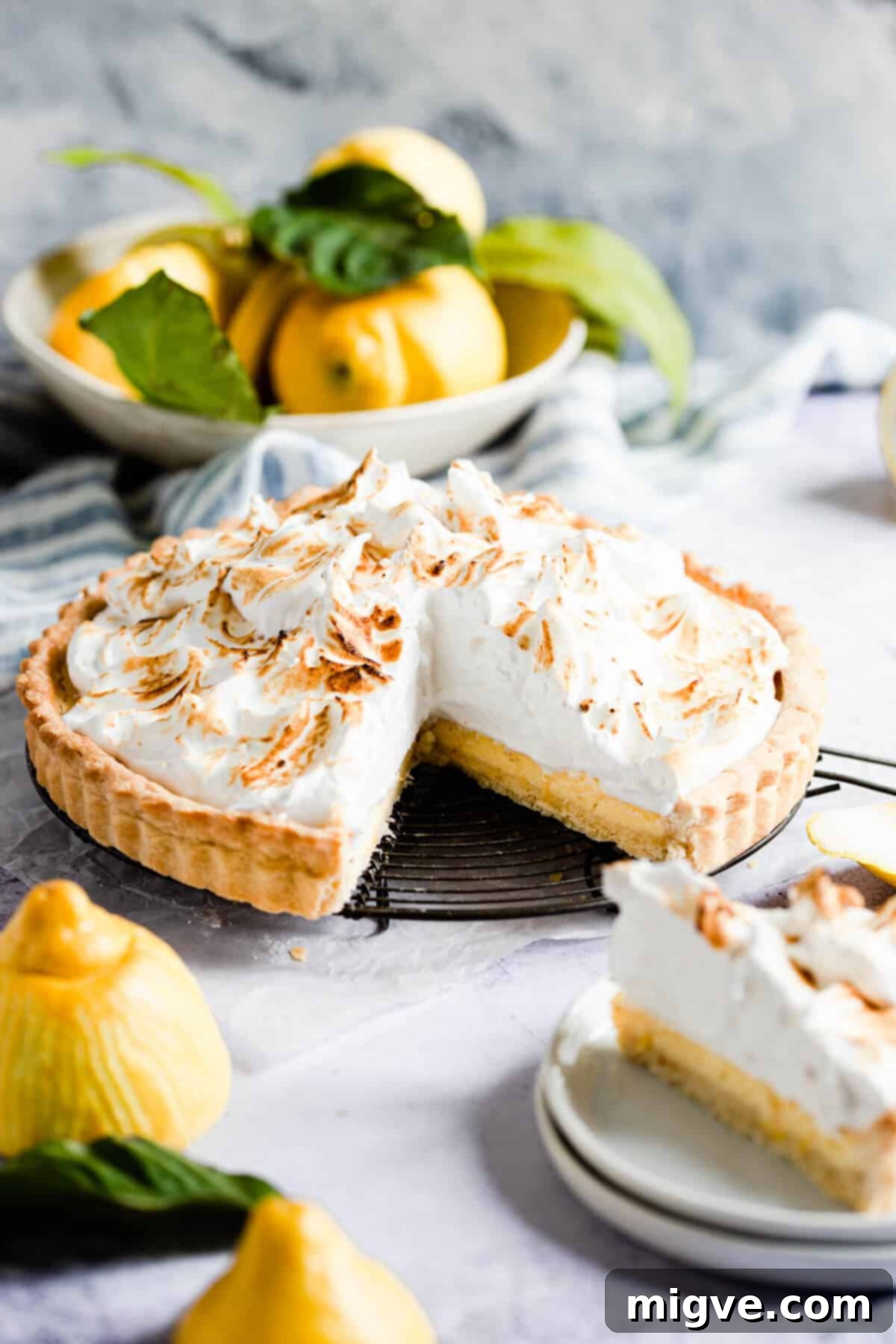
Welcome to a culinary journey that celebrates one of the most iconic and beloved desserts of all time: the classic lemon meringue pie. This exquisite treat is a symphony of flavors and textures, meticulously crafted to delight your senses. Imagine a foundation of sweet, buttery shortcrust pastry, perfectly baked to a golden crisp, cradling a vibrant, tangy, and incredibly creamy lemon filling. This bright, zesty heart is then crowned with a cloud of impossibly light, fluffy, and subtly toasted Italian meringue, creating a contrast that is simply irresistible. Whether you’re planning a grand family dinner, a casual get-together with friends, or simply craving a moment of sweet indulgence, this lemon meringue pie promises to be the perfect showstopper. It’s more than just a dessert; it’s an experience, a delightful combination that leaves a lasting impression, making every occasion feel a little more special.
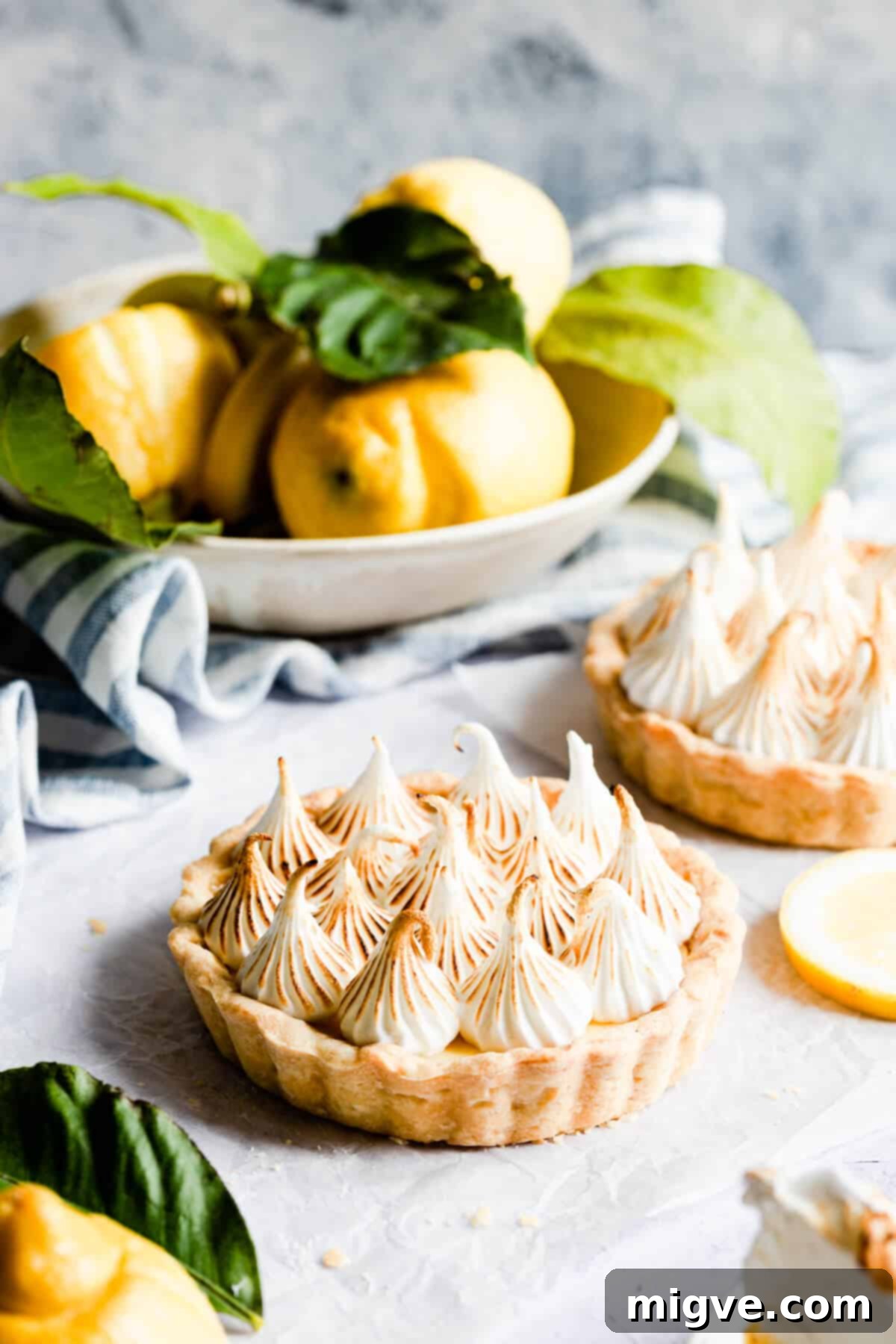
Hello, fellow baking enthusiasts!
As we step into February, bidding farewell to the chill of January, there’s a tangible sense of anticipation for all the wonderful things the new season brings. And for me, that excitement largely revolves around the glorious arrival of citrus season! The markets are now brimming with nature’s vibrant jewels: ruby-red blood oranges, sweet clementines, juicy satsumas, aromatic bergamots, and, of course, the ever-versatile, sunshine-filled lemons. Each fruit is at its peak, bursting with fresh, bright flavors, just begging to be transformed into something truly spectacular.
So, what better way to celebrate this zestful abundance than by diving into one of my all-time favorite recipes, a dessert that truly epitomizes the joy of citrus: the classic lemon meringue pie!

The Enduring Allure of Classic Lemon Meringue Pie
For those who have followed my culinary adventures on Instagram, this particular lemon meringue pie might already feel like an old friend. It’s a recipe that frequently graces my feed, consistently earning an outpouring of love and admiration from my wonderful community. Its consistent popularity isn’t by chance; there’s something truly magical about the way its components come together to create a harmonious and unforgettable dessert. The sweet and tart balance, combined with the contrasting textures, makes it a perennial favorite. After countless requests and endless praise, the time has finally come to unlock its secrets and share this cherished recipe with all of you, allowing everyone to experience the pure joy of a homemade lemon meringue pie.
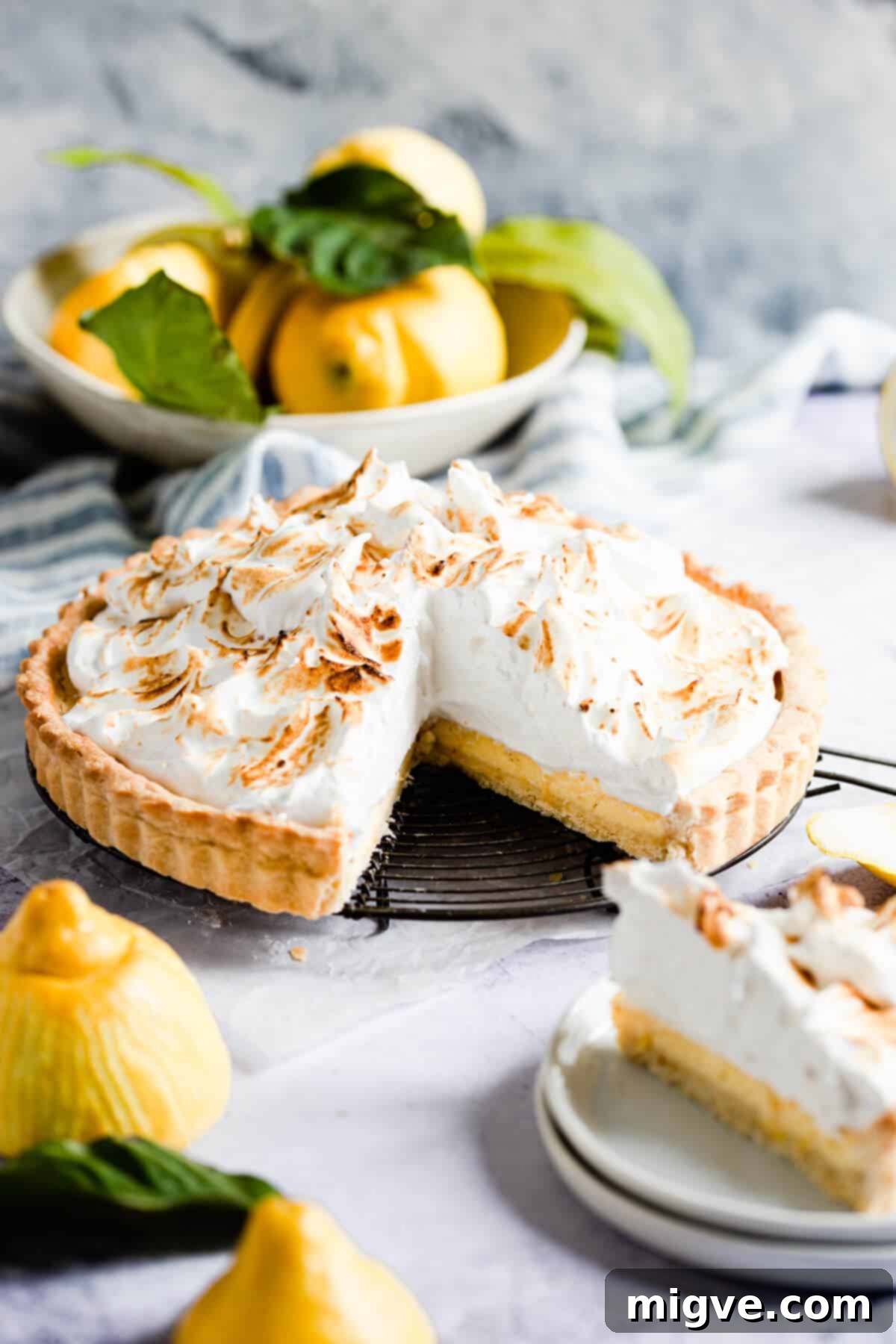
What truly elevates this pie to a league of its own is the exquisite interplay of its foundational elements. Every bite is a delightful journey: first, your palate encounters the rich, crumbly texture of the sweet, buttery shortcrust pastry, offering a satisfying base. This then gives way to the smooth, almost silken embrace of the lemon filling – intensely sharp yet perfectly balanced with sweetness, it provides that unmistakable tangy zest that is the hallmark of a great lemon pie. Finally, it’s all crowned with a magnificent cloud of fluffy, ethereal Italian meringue. The subtle sweetness and airy lightness of the meringue perfectly complement the intensity of the lemon, creating a dessert that is not only visually stunning but also incredibly satisfying on every level. It’s this beautiful marriage of flavors and textures that makes this pie an unforgettable culinary masterpiece.
Why This Lemon Meringue Pie Recipe Stands Out
While some baking projects can seem daunting, this classic lemon meringue pie recipe is designed to be approachable, yet yield spectacular results. Here’s what makes it truly exceptional:
- Accessible Ingredients: You won’t find any exotic or hard-to-find items on this list. All the ingredients are readily available at your local grocery store, ensuring that you can embark on this baking adventure without any last-minute searches. We believe that delicious baking should be for everyone, and simple, quality ingredients are the first step.
- Straightforward Technique: Don’t let the elegant appearance fool you. While there are a few steps involved, each technique is broken down into easily manageable parts, making the process enjoyable rather than intimidating. Even bakers with less experience will find themselves confidently moving through each stage, building their skills and confidence along the way. Our detailed instructions guide you to success.
- Prepare Ahead for Ease: One of the best features of this recipe is its flexibility. You can prepare various components, like the pastry and even the lemon filling, in advance, significantly reducing stress on the day of serving. This makes it an ideal dessert for entertaining, allowing you to focus on your guests while still presenting a freshly assembled, impressive creation.
- Versatile for Every Occasion: This pie effortlessly transitions from a relaxed family dinner to a grand holiday feast. Its comforting, homemade appeal makes it perfect for informal gatherings, while its stunning presentation and sophisticated flavor profile allow it to shine as the centerpiece of your most special occasions. It’s a dessert that truly fits all settings, leaving a memorable impression every time.
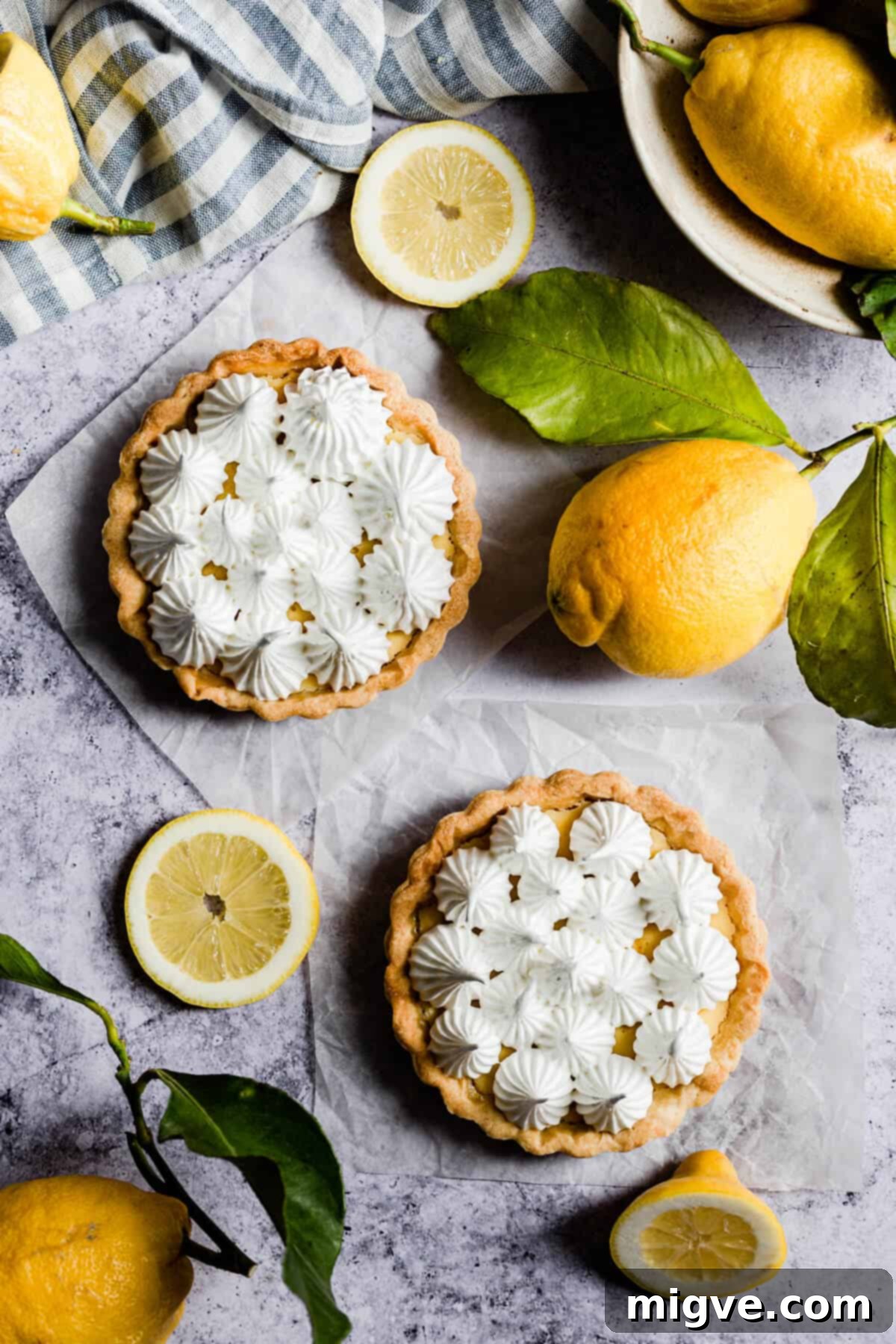
Essential Ingredients for Your Lemon Meringue Masterpiece
Crafting the perfect lemon meringue pie involves three distinct but equally important components: the rich shortcrust pastry, the vibrant lemon filling, and the ethereal Italian meringue. While this might sound like a grand undertaking, rest assured that each part is surprisingly straightforward, making this recipe achievable for bakers of all skill levels. Let’s delve into the simple yet effective ingredients that bring this classic dessert to life.
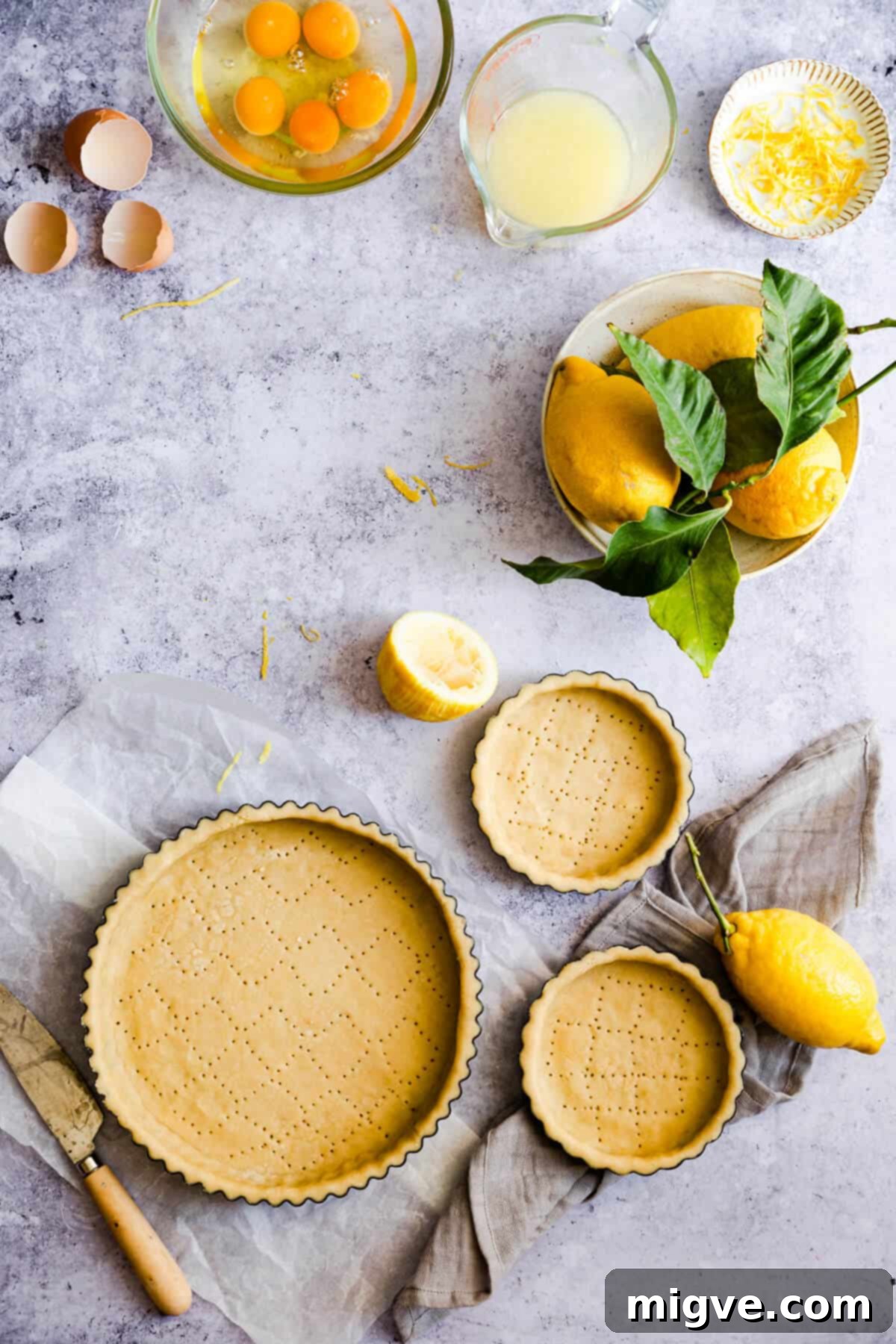
First, we build the foundation: the sweet shortcrust pastry. This buttery base is made with high-quality all-purpose flour for structure, delicate icing sugar for a tender crumb and subtle sweetness, cold unsalted butter (cubed) to ensure flakiness, large eggs and egg yolks for richness and binding, and a touch of ice-cold water to bring it all together without overworking the gluten. The secret to a truly tender pastry lies in keeping the butter cold and handling the dough minimally. If the idea of making your own pastry seems a little daunting, don’t worry! A good quality store-bought, ready-rolled pastry can be a fantastic time-saver, allowing you to focus on the delicious filling and meringue.
Next comes the star of the show: the bright and tangy lemon filling. This luscious custard is created using the fresh, aromatic zest and abundant juice from ripe lemons, providing that quintessential tartness. Whole eggs act as a crucial thickener, while rich double cream adds an unparalleled silkiness and depth to the filling. Fine caster sugar is incorporated to balance the tartness of the lemon, creating a perfectly harmonious sweet-and-sour profile that is both invigorating and comforting. Each ingredient plays a vital role in achieving that creamy texture and intensely zesty flavor that makes this pie so irresistible.
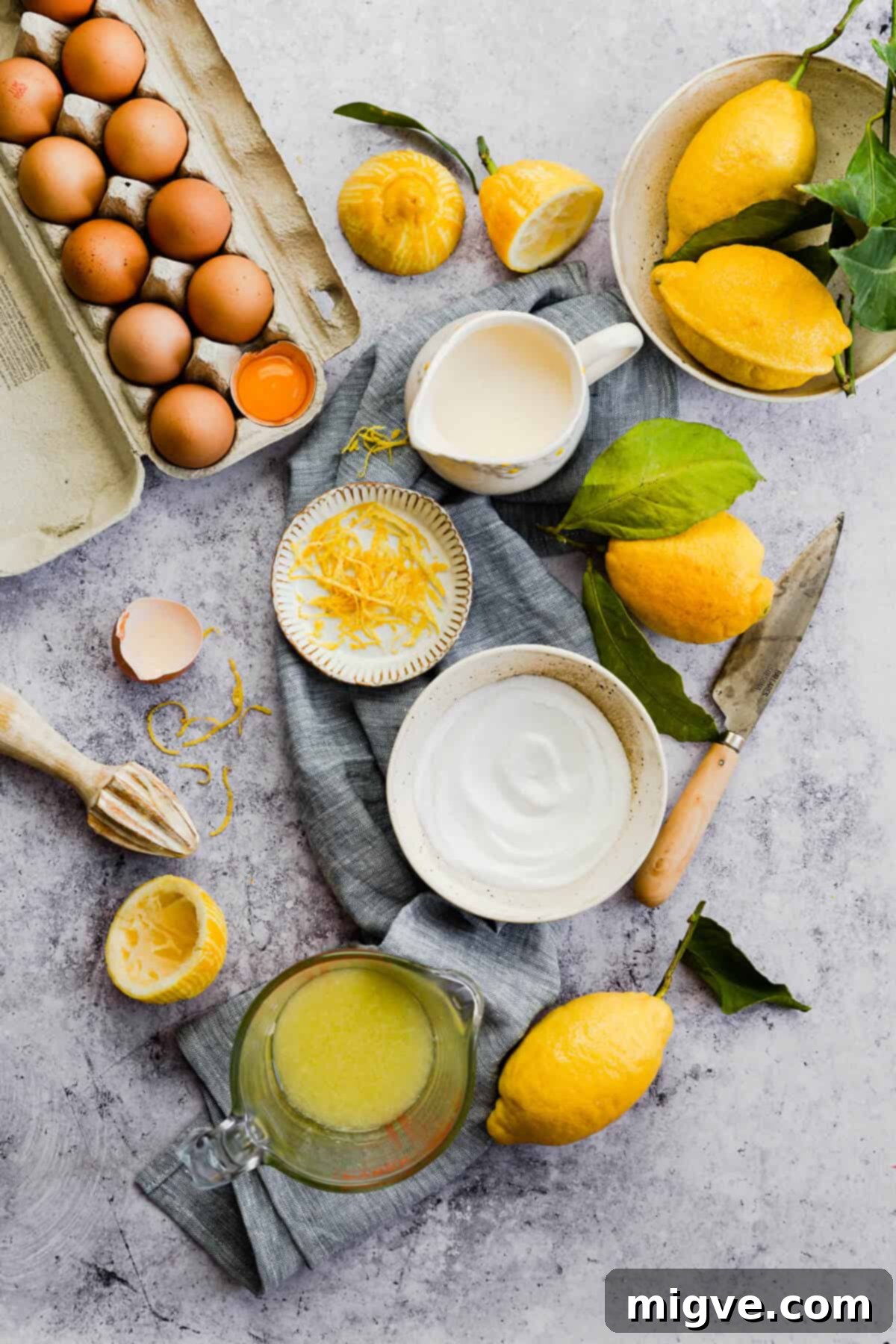
Last but certainly not least, we have the magnificent Italian meringue. This impressive topping is simply made with egg whites (often those saved from the pastry recipe, ensuring no waste!) and a hot sugar syrup. Italian meringue is prized for its glossy, stable, and incredibly fluffy texture, making it ideal for piping and torching to achieve those beautiful golden peaks. If the thought of working with hot sugar syrup for Italian meringue feels a bit out of your comfort zone, you can absolutely opt for a traditional French meringue instead, which is made by simply whisking egg whites with sugar until stiff and glossy. Either way, the light, airy meringue provides a wonderful contrast to the rich lemon filling, completing the trifecta of flavors and textures.
Mastering Your Lemon Meringue Pie: A Simple 3-Step Guide
Embark on the journey to baking perfection with our clear, concise, and incredibly rewarding three-step guide to creating the ultimate lemon meringue pie. Each stage is designed to be manageable, ensuring a smooth and enjoyable baking experience from start to finish. Let’s get baking!
Step 1: Crafting the Perfect Shortcrust Pastry
The foundation of any great pie is its crust, and for this lemon meringue pie, we’re making a sweet, tender shortcrust pastry. The process begins by gently mixing your flour and icing sugar in a large bowl. Then, using your fingertips, rub in the cold, cubed butter until the mixture resembles coarse breadcrumbs. This technique ensures that the butter remains in small pieces, which will melt during baking to create a wonderfully flaky texture. Next, make a small well in the center and add your eggs and egg yolks. Gradually incorporate these wet ingredients into the flour mixture with a fork. Add 1-2 tablespoons of ice-cold water, a little at a time, mixing with your hands until the dough just comes together. Avoid overworking the dough, as this can lead to a tough crust. Once formed, roll the dough into a ball and divide it in half. You can wrap one half tightly in clingfilm and freeze it for another baking day – it’s always handy to have homemade pastry on standby! Flatten the remaining half into a disk, wrap it securely in clingfilm, and place it in the fridge for at least 30 minutes. Chilling is crucial as it allows the gluten to relax, preventing the pastry from shrinking excessively during baking, and makes it much easier to handle.
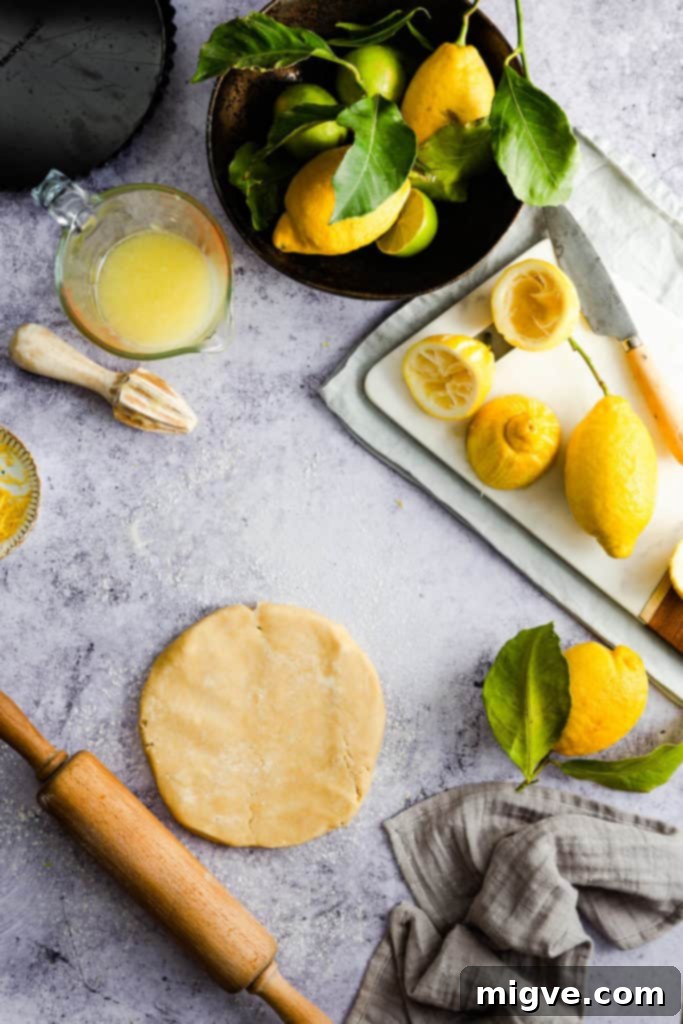
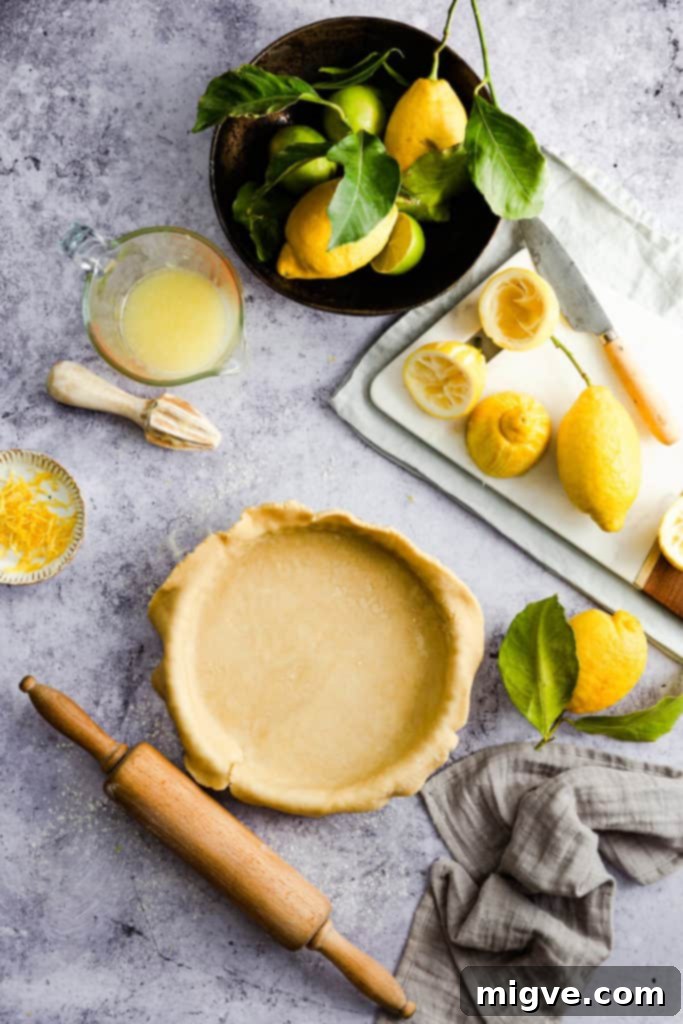
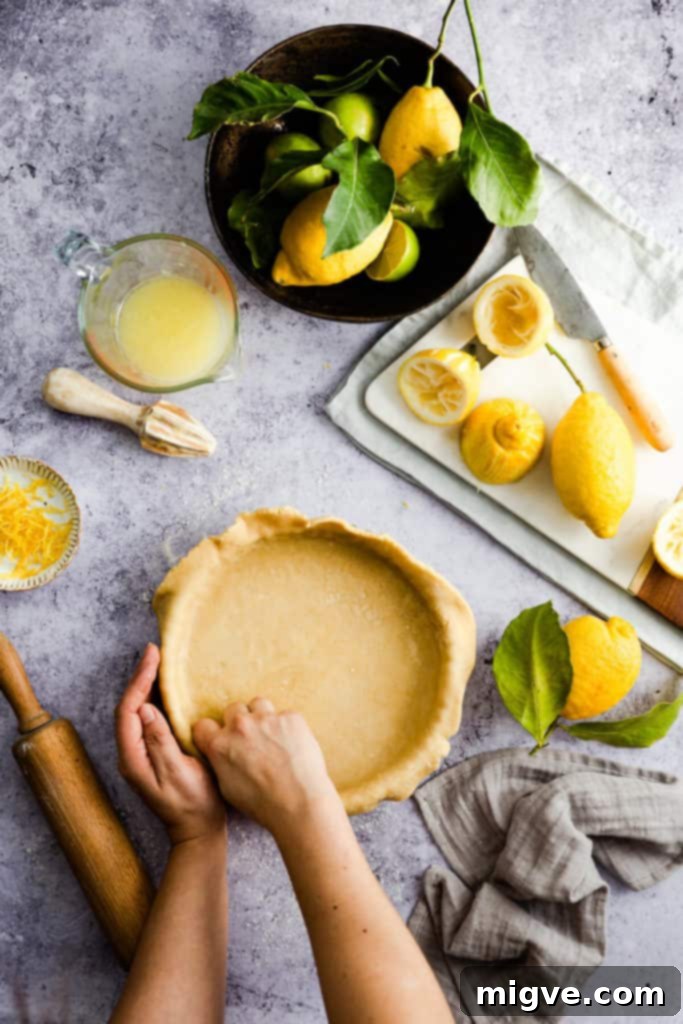
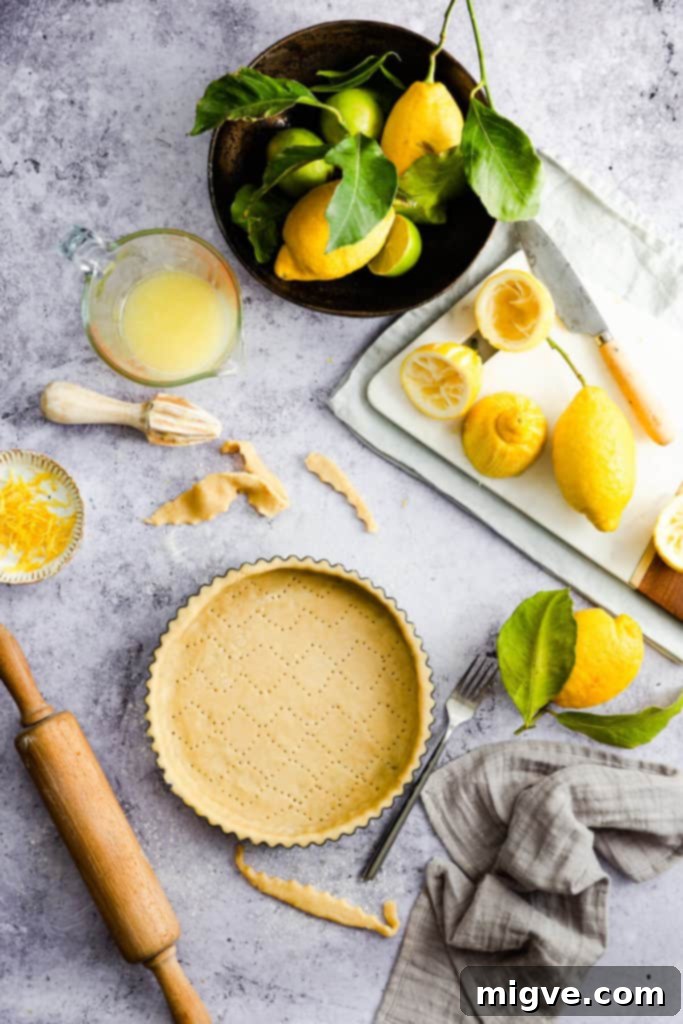
Once your pastry has thoroughly chilled, remove it from the fridge. Lightly flour your work surface to prevent sticking. Using a rolling pin, carefully roll out the pastry into a rough circle, aiming for a thickness similar to a £1 coin (approximately 2-3mm). The circle should be larger than your baking tin, ensuring it’s big enough to fully cover the bottom and extend up the sides. Gently transfer the rolled pastry into your chosen baking tin (a 24 cm loose-bottom tart tin works best), carefully pressing it into the base and up the fluted sides with your fingers to ensure a snug fit. Trim any excess pastry from the edges using a sharp knife or by rolling your pin over the top of the tin. To prevent air bubbles and ensure even baking, prick the base of the pastry all over with a fork. Finally, place the prepared pastry-lined tin back into the fridge for another 25-30 minutes of chilling. This second chill is crucial for maintaining the pastry’s shape during blind baking.
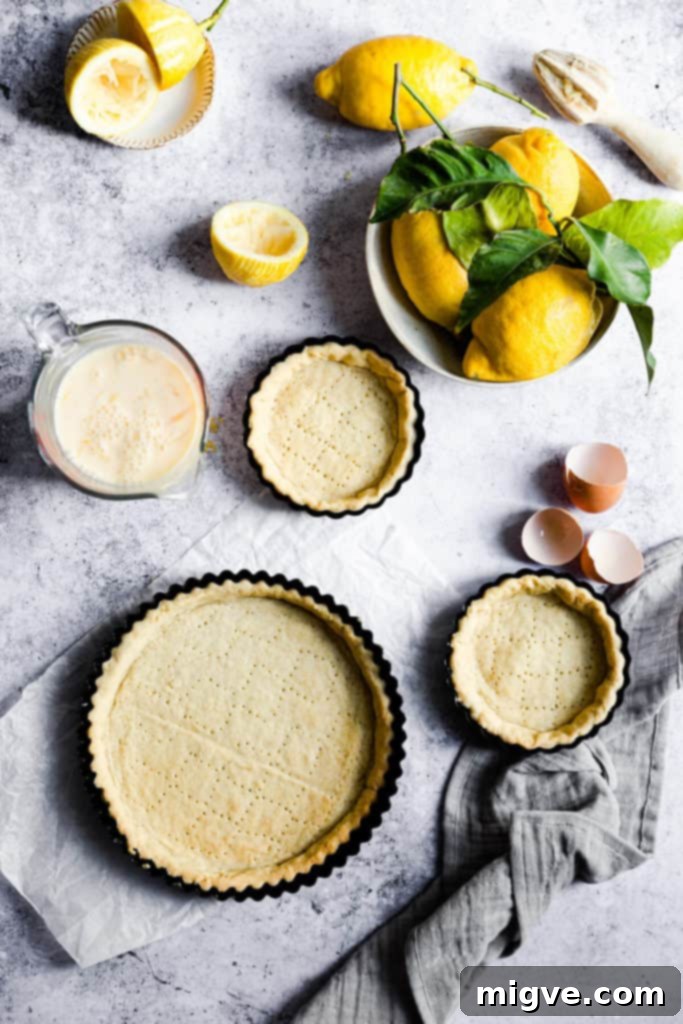
Step 2: Preparing the Zesty Lemon Filling
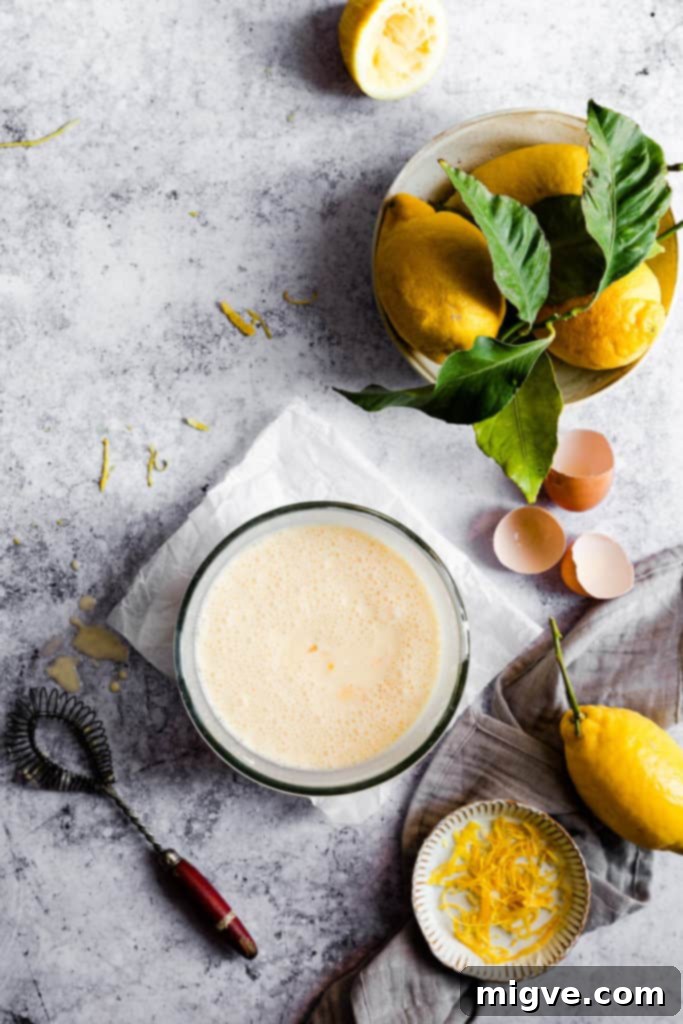
While your pastry is chilling to perfection, it’s the ideal time to focus on preparing the rich and zesty lemon filling. In a large mixing bowl, combine all the filling ingredients except for the lemon zest. This includes your eggs, caster sugar, and double cream. Whisk them together thoroughly until they are well combined and smooth. To ensure a perfectly silken texture, pass the mixture through a fine-mesh sieve. This crucial step removes any chalazae from the eggs and any small bits that could compromise the smoothness of your custard. After sieving, stir in the fresh lemon zest. The zest is best added at this stage to retain its vibrant essential oils and prevent any bitterness that might develop if cooked too early. Set this beautifully fragrant mixture aside while you blind bake your pastry.
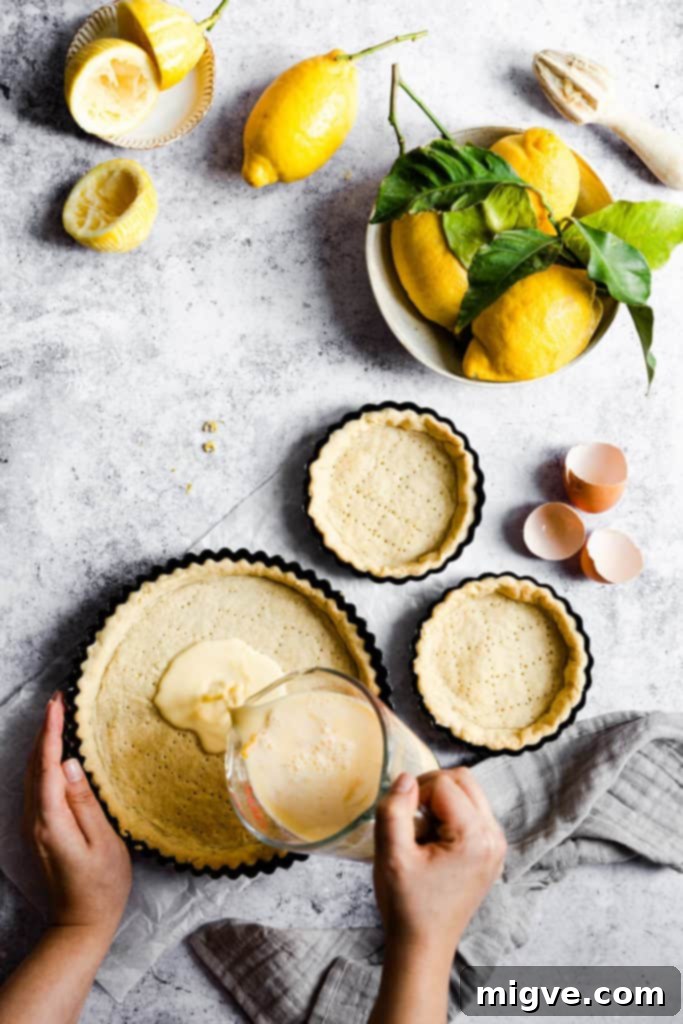
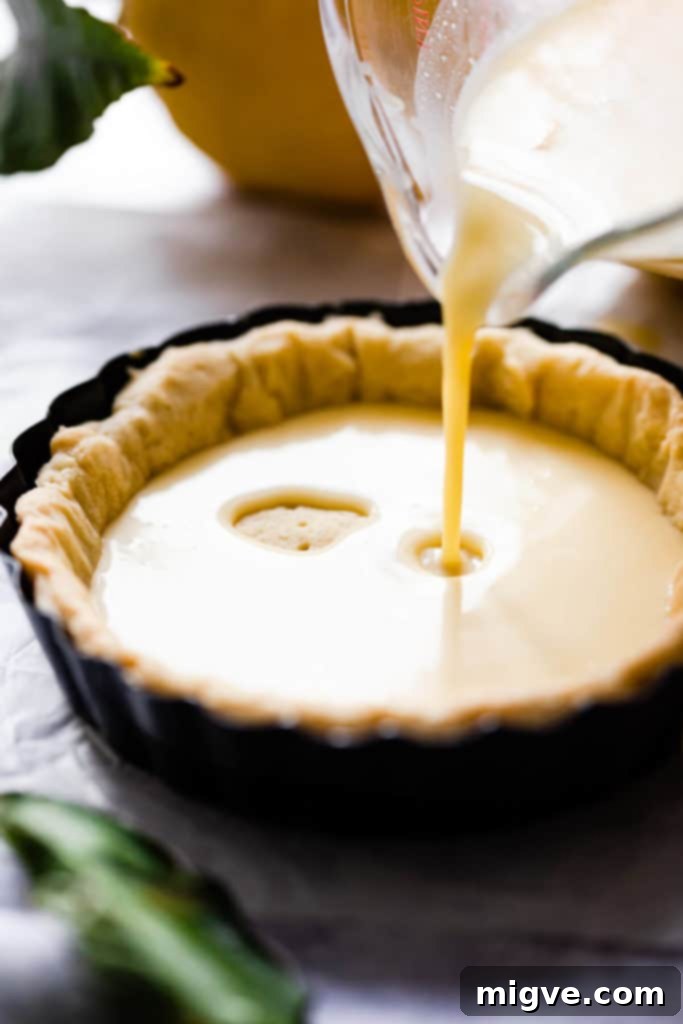
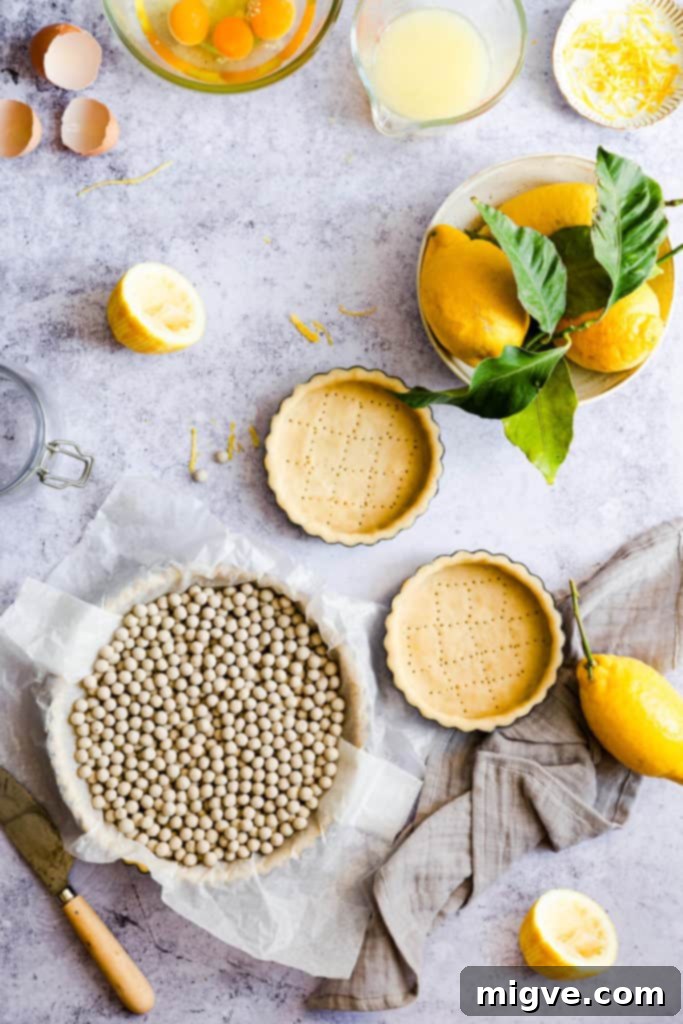
Preheat your oven to the temperature specified in the recipe (typically 160°C or 140°C fan). Line your chilled pastry shell with a sheet of baking parchment or aluminum foil, then fill it with ceramic baking beads, dried beans, or rice. This “blind baking” step is crucial to prevent the pastry from puffing up and to ensure a crisp, fully cooked base. Bake for 10 minutes, then carefully remove the parchment/foil and the weights. Return the pastry to the oven for another 20 minutes, or until it’s a beautiful light golden brown and has a wonderfully biscuity texture. Once baked, remove the pastry shell from the oven. While it’s still warm, carefully pour the prepared lemon filling mixture into the par-baked crust. Return the pie to the oven and bake for an additional 30 minutes, or until the lemon filling is just set. The center should have a slight wobble when gently nudged, indicating it’s perfectly cooked. Remove the pie from the oven and let it cool in the tin for about 10 minutes before carefully transferring it to a wire rack to cool completely. This cooling process is essential before adding the meringue to prevent it from melting or weeping.
Step 3: Creating the Fluffy Italian Meringue Perfection
Once your lemon pie has cooled down completely, it’s time to prepare the show-stopping Italian meringue. This stable and glossy meringue will hold its shape beautifully and can be toasted to perfection. Begin by placing your egg whites in the clean bowl of an electric mixer (ensuring there are absolutely no traces of fat, which can prevent the whites from stiffening). Beat the egg whites on medium-high speed until they form stiff, glossy peaks. They should hold their shape when the whisk is lifted. Simultaneously, in a medium-sized saucepan, combine the caster sugar and 3 tablespoons of water. Place the pan over a gentle heat, stirring occasionally until the sugar has completely dissolved. Once dissolved, increase the heat and bring the syrup to a boil without stirring. Allow it to boil until it reaches 120°C (248°F) on a sugar thermometer. This is the “soft ball” stage, where a drop of syrup in cold water forms a soft, pliable ball.
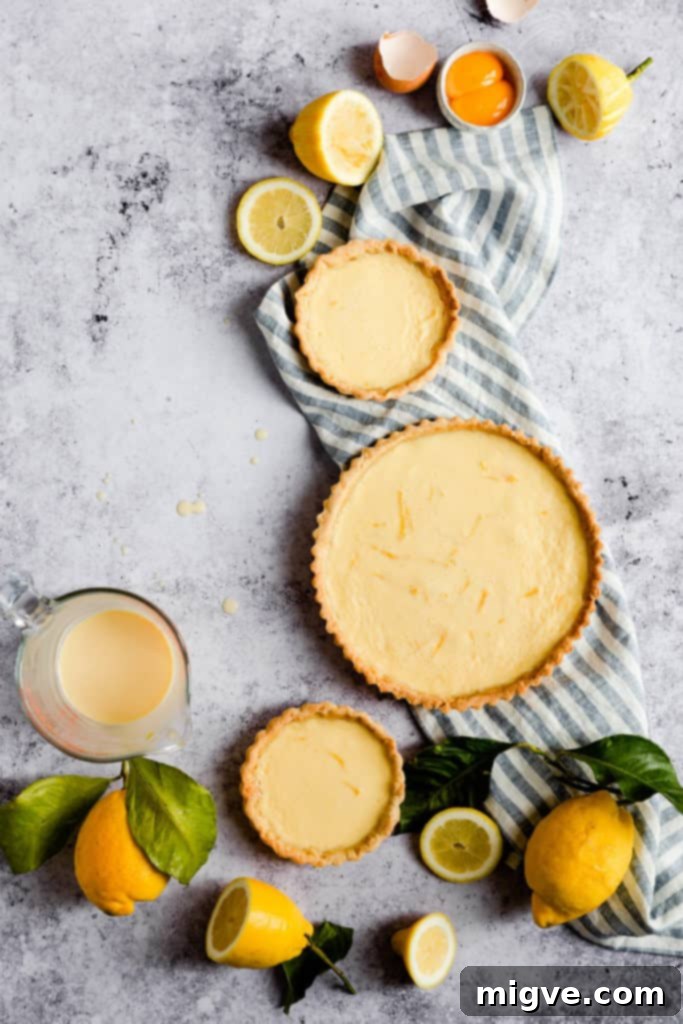
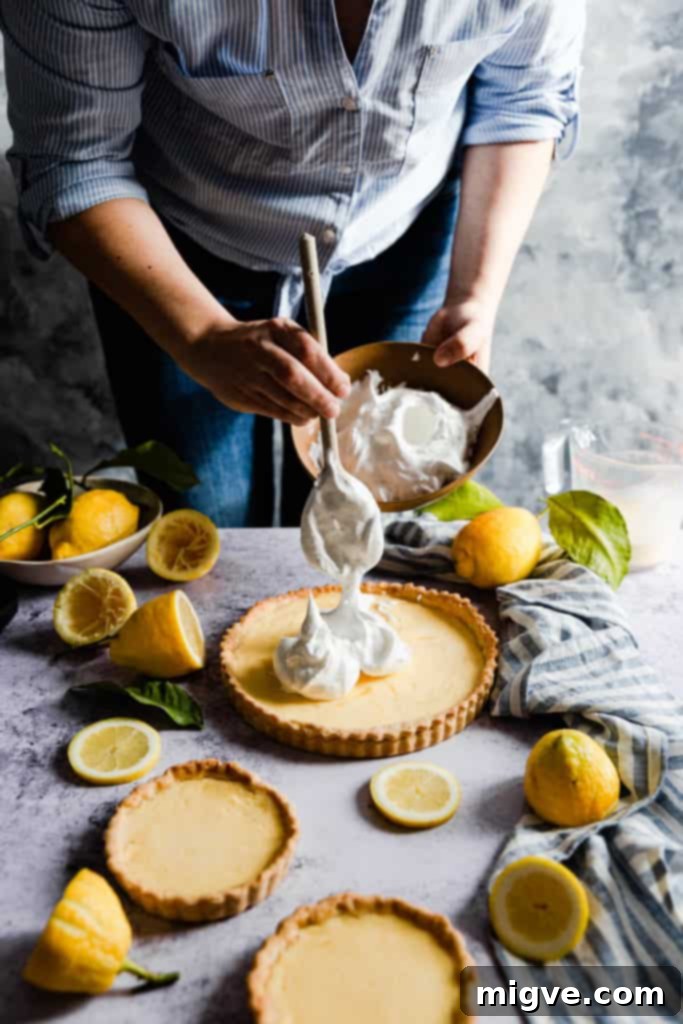
Once the sugar syrup reaches the correct temperature, immediately remove it from the heat. With your electric mixer running on low speed, carefully and slowly pour the hot sugar syrup in a thin, steady stream into the stiff egg whites. Be extremely cautious as the sugar syrup is very hot! Once all the syrup has been incorporated, increase the mixer speed to medium-high and continue whisking until the mixture is completely cool to the touch and forms thick, shiny, and incredibly stable peaks. This could take anywhere from 8 to 12 minutes, depending on your mixer. The cooled meringue will be wonderfully glossy and pipeable. You can then use a spoon to dollop and swirl the meringue attractively over your cooled lemon pie, or for a more elegant finish, transfer it to a piping bag fitted with your favorite nozzle and pipe intricate designs. For a final flourish, gently toast the meringue peaks using a kitchen blowtorch until they are beautifully golden brown, adding a caramelized flavor and appealing visual texture. Serve immediately or chill until ready.
Storing Your Delicious Lemon Meringue Pie
To ensure your freshly baked lemon meringue pie remains at its best, proper storage is key. Once completely cooled, the pie can be stored in the fridge for approximately 2-3 days. It’s best to refrigerate it in an airtight container to protect the meringue from absorbing any fridge odors and to prevent it from drying out. If an airtight container isn’t available, you can cover it loosely with aluminum foil or plastic wrap. While the meringue might slightly soften over time, the flavors will continue to meld and deepen, making for a truly delightful treat even a day or two after baking. For the best texture, always allow the pie to come closer to room temperature for about 15-20 minutes before serving, as this enhances the creaminess of the filling and the lightness of the meringue.
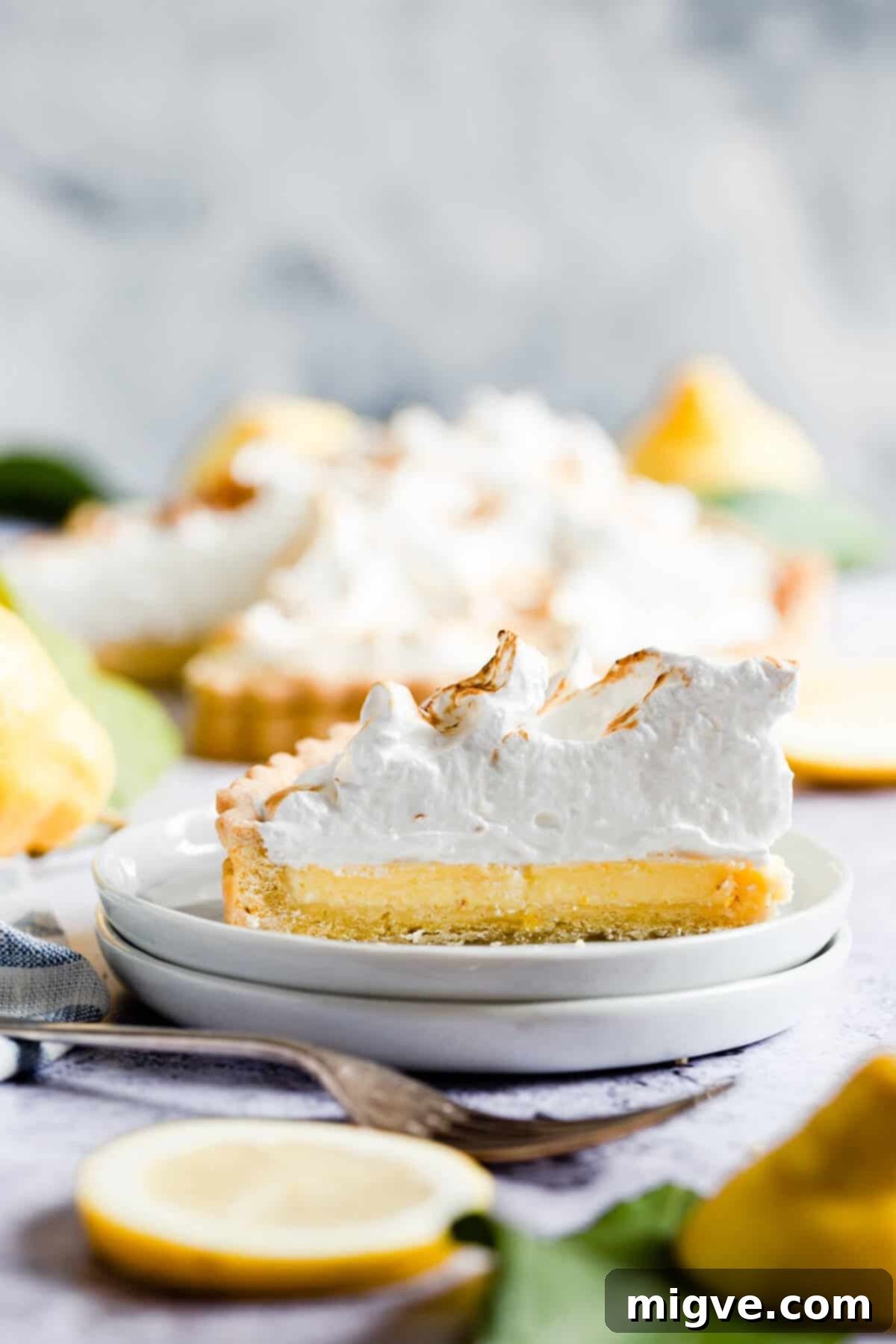
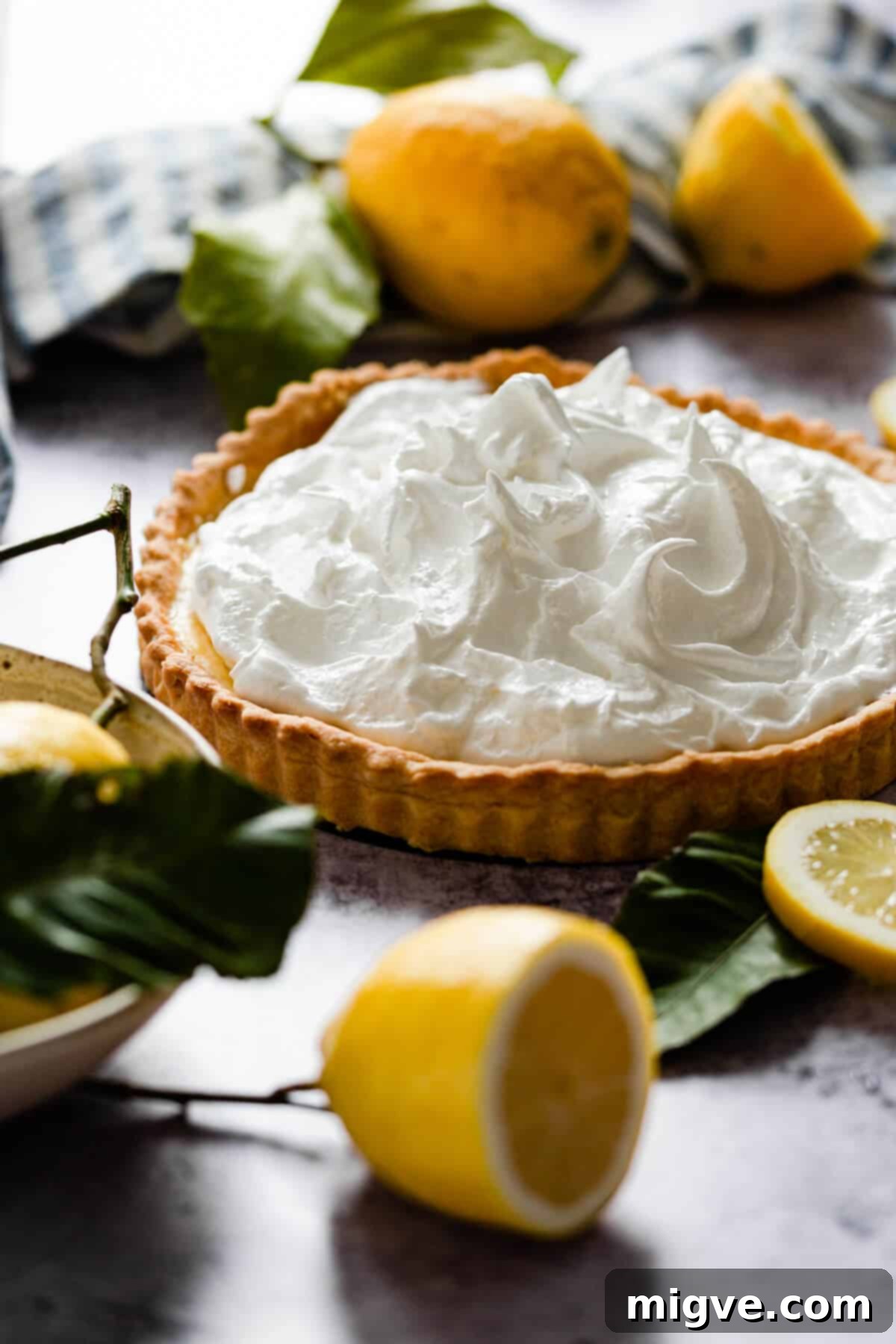
Thank you for joining me on this delightful baking adventure today! I truly hope you enjoy making and, more importantly, tasting this classic lemon meringue pie. Your feedback means the world to me, so please feel free to leave a comment and a rating below to let me know how your pie turned out. Don’t forget to connect with me on social media to share your creations and stay updated with more delicious recipes! You can find me on Instagram, Pinterest, and Facebook. I absolutely love seeing your wonderful takes on my recipes!
Classic Lemon Meringue Pie Recipe

Print Recipe
Pin Recipe
Classic Lemon Meringue Pie
Classic lemon pie topped with Italian meringue. Perfect combination of sweet, buttery pastry, tangy lemon filling and fluffy meringue. Perfect for any gathering with friends and family.
Equipment
- 24 cm loose-bottom tart tin
- rolling pin
- ceramic baking beads (optional)
- kitchen thermometer (optional)
- electric mixer
Ingredients
For sweet shortcrust pastry:
- 500 g plain flour
- 100 g icing sugar
- 250 g unsalted butter (cubed)
- 2 large eggs plus 2 yolks (save whites for meringue)
For the filling:
- 5 large eggs
- 130 g caster sugar
- 150 ml double cream
- 3 medium lemons (zest and juice)
For the Italian meringue:
- 2 large egg whites (saved from the shortcrust pastry recipe)
- 150 g caster sugar
- 3 tablespoon water
Instructions
For the pastry and pie assembly:
- In a large bowl, mix together the flour and the icing sugar. Rub the butter into the flour and sugar mix using your fingertips, until the mixture resembles the texture and appearance of breadcrumbs.
- Make a small well in the middle and add eggs and egg yolks. Using a fork, mix the eggs into the flour. Add 1-2 tablespoons of ice-cold water and using your hands, mix the dough until it comes together. Roll it into a ball and divide in half (you can freeze the other half until you need it for another recipe). Flatten the other half into a disk, wrap in some clingfilm and place in the fridge for at least 30 minutes.
- While the pastry is chilling in the fridge, prepare the filling. Place all of the ingredients apart from lemon zest into a large bowl and beat until combined. Sieve the mixture then mix in the lemon zest. Set it aside.
- On a lightly floured surface, roll out the pastry into a circle bigger than your tart tin (you want it to overhang from the tin) to a thickness of about a £1 coin. Lift the pastry and transfer to your tin. Using your fingers, press the pastry gently into the bottom and sides of the tin. Trim off any excess pastry. Using a fork, prick the base of the tin and put it back in the fridge for 30 minutes.
- Heat the oven to 160 C (140 C fan). Line the tart tin with some baking parchment or kitchen foil and fill with ceramic baking beads or some rice or dried beans. Bake for 10 minutes, remove from the oven, discard the parchment/foil and baking beads and bake for another 20 minutes until lightly golden and biscuity. Remove from the oven, pour the lemon mixture into the tin with pastry and bake for another 30 minutes, until just set. Remove from the oven, and allow it to cool for 10 minutes. Remove the tart from the tin and cool completely before topping up with the meringue.
To make Italian meringue:
- In a bowl of an electric mixer, beat the egg whites until stiff peaks. Place the sugar and 3 tablespoons of water into a medium size pan over a gentle heat. Once sugar has completely dissolved, turn up the heat and boil syrup, without stirring it, until the mixture reaches 120 C on a sugar thermometer.
- Take off the heat and working swiftly, carefully pour the syrup into stiff egg whites, whisking continually at low speed, until the mixture is cold.
- Use the meringue to top up your pie with. You can also toast the meringue gently using a kitchen blowtorch.
Please note that all my recipes are developed and tested in metric grams. I recommend that you use digital scales for more accurate results. I have provided a conversion to US customary in the recipe but please note that I haven’t tested using this method.
Notes
- The sweet shortcrust pastry recipe will make double the amount of pastry needed. Freeze the other half until you need it for another recipe.
- You can use shop-bought, ready-rolled shortcrust pastry if you don’t want to make your own.
- Italian meringue is much firmer and more stable than traditional meringue, so it works much better for topping up pies or cakes with it; however, feel free to use your favorite meringue recipe.
If you enjoyed today’s recipe, make sure to sign up to my mailing list! That way, any future recipes will go straight to your inbox!